For Fatima Al-Sherbini, the 45-minute minibus journey from her home in Nasr City to her workplace near Heliopolis has become a daily ordeal of gridlock, pollution, and exhaustion. She is one of millions of Cairenes whose commute could change fundamentally once the Cairo Metro's Line 4 extension opens—likely sometime in 2028. Yet the promise of relief comes with an uncomfortable reality: the next 18 months will bring significant disruption to some of the city's most densely populated neighbourhoods.
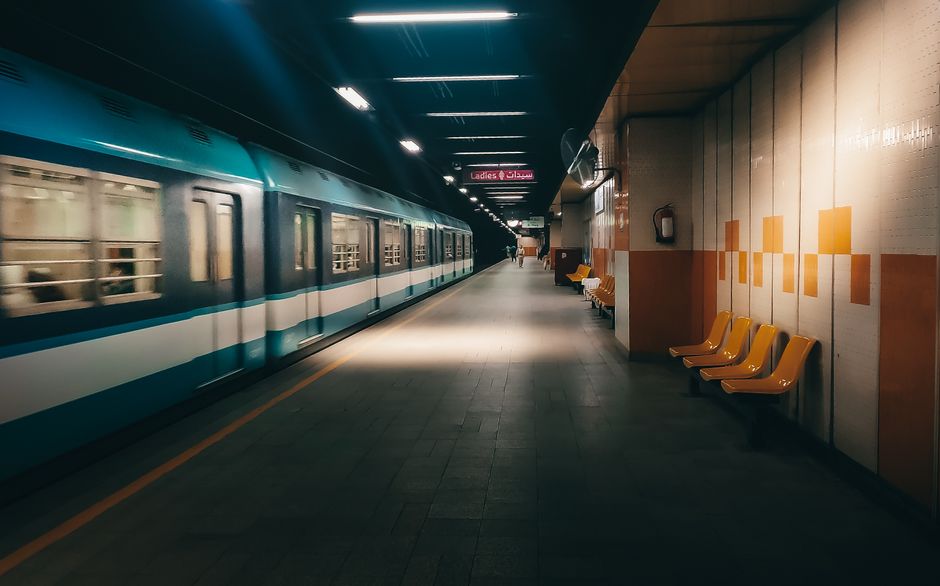
The extension, stretching approximately 23 kilometres from the current terminus at Shams Al-Din to New Cairo's commercial district, represents the most ambitious public transport infrastructure project undertaken since the completion of Line 3 in 2020. Planners project the line will handle roughly 2 million passenger journeys daily once fully operational, removing an estimated 400,000 private vehicles from congested routes each year.
For residents along the construction corridor—including those in Nasr City, Heliopolis, and the sprawling developments of New Cairo—the impact will be measured in saved hours and reduced commuting costs. Currently, a private taxi from Nasr City to New Cairo costs between 40-60 Egyptian pounds; the metro fare will be 3.5 pounds. For working families already stretching budgets across rent, food, and utilities, this represents meaningful savings.
The Metro Authority has pledged to minimise disruption to Al-Ahram Street and other major thoroughfares by employing tunnel-boring machines rather than open-cut excavation for 60 percent of the project. Still, temporary closures of secondary roads in Maadi and Heliopolis are inevitable. Local business owners express concern about foot traffic declines during the construction phase, though they acknowledge potential long-term benefits.
Environmental gains could be substantial. Greater Cairo's air quality, ranked among the world's worst, is significantly worsened by vehicle emissions. Transport analysts suggest the Line 4 extension could reduce particulate matter concentration by 8-12 percent along major commuter corridors within five years of opening.
The psychological impact on residents shouldn't be underestimated either. Cairo's infamous traffic congestion exacts a hidden cost in stress, lost productivity, and family time. A functional metro connection spanning east-west corridors promises something beyond efficiency—it offers a more liveable city.
Construction resumes in earnest next month. For commuters like Al-Sherbini, the discomfort is temporary. The transformation, she hopes, will be permanent.
This article was compiled by AI and screened before publishing. See our editorial standards.