Cairo's perpetual struggle between rapid urban expansion and housing affordability took a critical turn this week when the Capital Developers Authority approved sweeping zoning amendments that will allow mixed-use commercial projects in traditionally residential zones across Maadi, Heliopolis, and New Cairo. The decision, announced Monday, represents a significant victory for private developers but signals potential displacement for thousands of middle-income residents already priced out of the capital's spiralling property market.
The committee's ruling clears the way for at least seven major projects currently stalled in permitting limbo, including a 45-storey mixed-use complex near Maadi's Corniche area and expanded commercial zones along Abbasia's main commercial corridor. Officials framed the decision as necessary stimulus for Cairo's sluggish construction sector, but housing advocates warn it will accelerate gentrification patterns already visible across the city's older neighbourhoods.
"This is development without purpose," said a spokesperson from Cairo's Housing Rights Initiative, which has tracked property values across the metropolis. "We're seeing luxury apartments and commercial offices, but the supply of units affordable to families earning under 5,000 Egyptian pounds monthly continues to shrink." Current data shows median rental prices in central Cairo have climbed 28 percent since 2023, while average wages have stagnated.
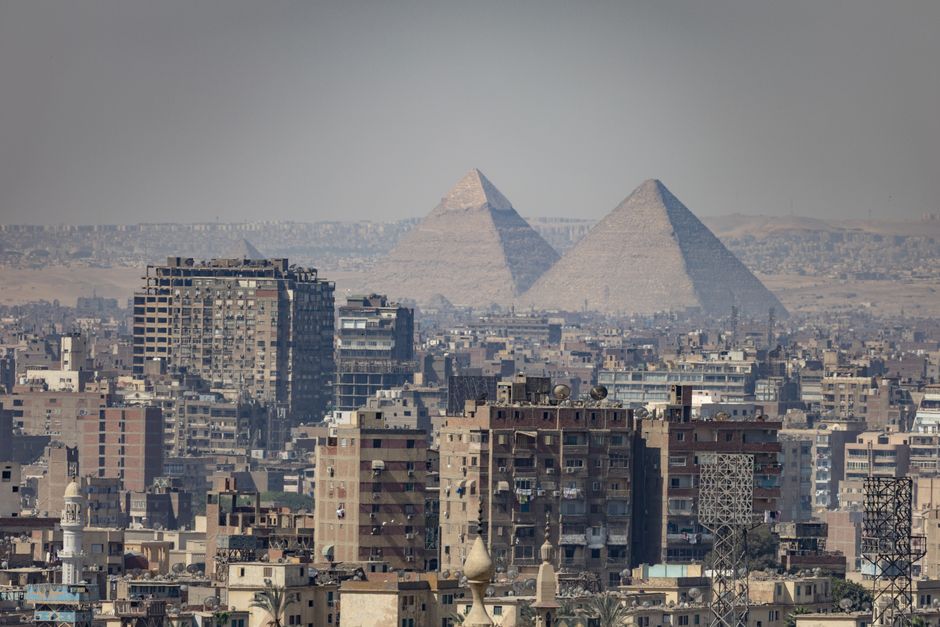
The timing compounds existing anxieties. Earlier this month, the Greater Cairo Urban Planning Authority released its mid-decade assessment, revealing that informal settlements now house nearly 40 percent of the metropolitan area's 21 million residents. Simultaneously, sprawling developments in New Cairo and 6th of October City absorb capital—and infrastructure resources—that might otherwise support infill housing projects in established neighbourhoods.
Thursday's follow-up announcement, detailing implementation frameworks for the new zoning amendments, included minimal affordable housing requirements. Developers must only ensure that 5 percent of units in new residential projects fall below market rates—a threshold critics argue is cosmetic given current construction costs.
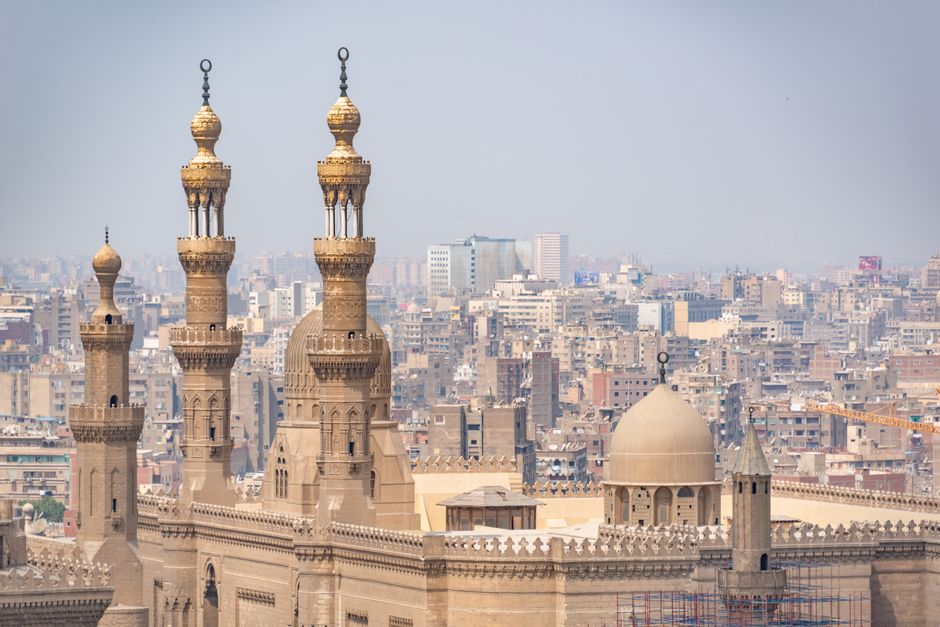
The Supreme Council of Antiquities also raised concerns Friday about several proposed projects' proximity to heritage zones, including areas near the Citadel and along traditional Islamic Cairo corridors. The agency has requested additional environmental and archaeological assessments, potentially delaying some developments by months.
For ordinary Cairenes already navigating a fractured housing market, this week's decisions reinforce a bitter reality: the city is building upward and outward, but not for them. Housing policy experts now anticipate accelerated migration toward satellite cities and provincial centres as central Cairo becomes increasingly exclusive.
This article was compiled by AI and screened before publishing. See our editorial standards.