Cairo's migrant communities brace for new visa restrictions as regional tensions spike
This week's policy announcements and border developments have left thousands of foreign residents reassessing their long-term plans in Egypt's capital.
This week's policy announcements and border developments have left thousands of foreign residents reassessing their long-term plans in Egypt's capital.
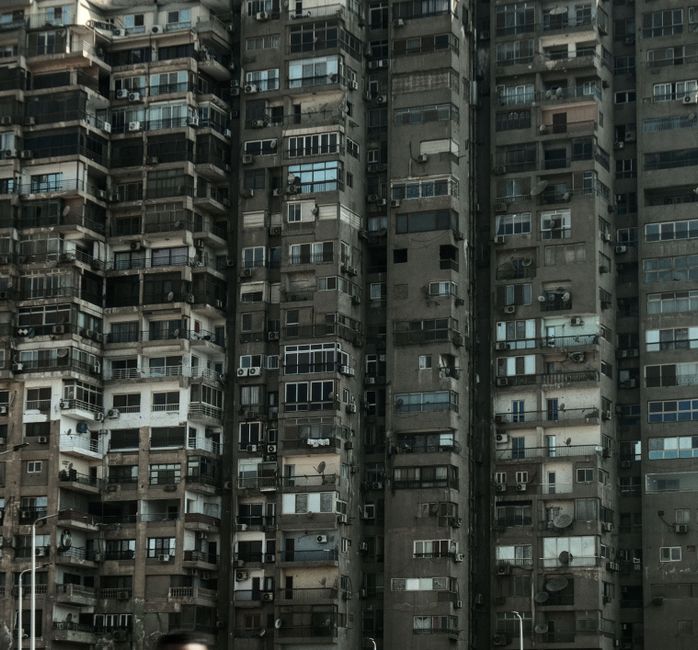
Cairo's multicultural neighbourhoods are buzzing with anxious conversation this week following a series of announcements that have sent tremors through the city's migrant communities. On Monday, Egypt's Ministry of Interior signalled stricter enforcement of residency documentation, while neighbouring regional instability has prompted many expats to reconsider their tenure in the Egyptian capital.
The developments have been particularly felt in traditionally cosmopolitan areas. In Zamalek, where Western expat populations cluster around international schools and corporate offices, several migration consultancy firms reported unprecedented demand for visa extension services. One agency near the Zamalek Club noted a 45% surge in inquiries compared to last week's baseline. Similarly, in Heliopolis, home to significant South Asian and East African communities, the Maadi-based International Migrants Resource Centre fielded over 200 phone calls on Tuesday alone—double their typical weekly average.
The timing coincides with escalating geopolitical tensions across the Middle East. With Pakistan-Afghanistan border violence intensifying and U.S.-Iran diplomatic channels reopening amid broader regional uncertainty, multinational companies with Cairo operations are reviewing their staffing strategies. Several banks and tech firms headquartered in the New Administrative Capital have reportedly initiated confidential staff reviews, raising concerns about potential relocations.
For many in Cairo's working-class migrant communities—particularly Sudanese and Syrian populations concentrated in areas like Bulaq and Imbaba—the news carries different weight. These neighbourhoods, where informal employment predominates and housing costs hover around 400-600 Egyptian pounds monthly for modest apartments, are already grappling with resource strain. Community leaders at the Coptic Evangelical Organization's migrant support office report families are reconsidering whether to bring dependents to Cairo, a reversal from optimistic migration patterns seen throughout early 2026.
Yet some institutional observers see opportunity in crisis. The American University in Cairo has announced expanded scholarship programmes for regional scholars, while several NGOs operating in Garden City have launched rapid-response documentation clinics to help residents navigate the bureaucratic landscape.
The Foreign Affairs Ministry has scheduled a briefing for Thursday at its Tahrir headquarters to clarify policy positions, though specifics remain opaque. Until then, Cairo's diverse migrant populations—estimated at roughly 15% of the metropolitan area's population—remain in a holding pattern, their futures tethered to decisions being made in diplomatic quarters and parliamentary committees across the capital.
This article was compiled by AI and screened before publishing. See our editorial standards.
How does this story make you feel?
Spread the word
About this article
Published by The Daily Cairo
Daily brief
Free, in your inbox before 7am. Weekdays.
More in News