Cairo's Infrastructure Crisis Deepens as Officials and Experts Clash Over Metro Expansion Plans
City leaders, transport experts and residents' advocates offer starkly different visions for solving congestion as the new fiscal year begins.
City leaders, transport experts and residents' advocates offer starkly different visions for solving congestion as the new fiscal year begins.
As Cairo enters the final quarter of 2026, sharp divisions have emerged between municipal authorities and independent experts over the city's sprawling transport gridlock—a dispute that threatens to derail long-promised metro extensions and leave millions of commuters worse off.
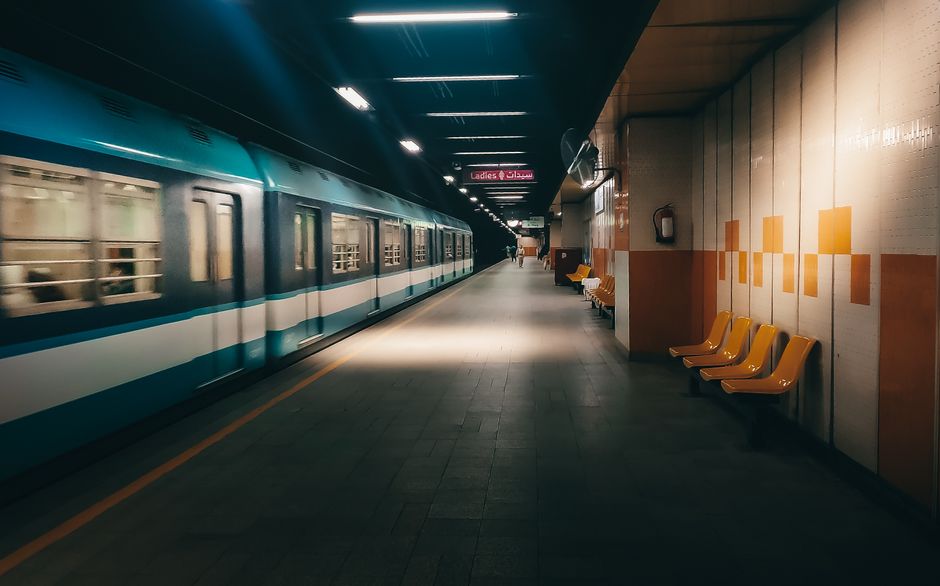
The Cairo Governorate's recent announcement of a revised Metro Line 5 expansion plan, which would connect Heliopolis to the industrial zones east of the city, has drawn cautious support from some quarters but fierce criticism from urban planners and civil society groups.
"The current proposal addresses only 8 percent of our daily commuter shortfall," said Dr. Amira El-Sayed, director of the Urban Development Studies Centre at the American University in Cairo, speaking at a public forum in downtown Cairo last week. El-Sayed's analysis, based on mobility data from 2025, suggests that Cairo's existing metro system carries only 4.2 million passengers daily—far below capacity targets set a decade ago—while informal transport networks absorb nearly double that volume.
Officials at the Governorate's Transport Authority counter that budget constraints and land acquisition difficulties in densely populated neighbourhoods like Zamalek and Garden City have forced pragmatic choices. A spokesperson noted that the current expansion budget of 2.8 billion Egyptian pounds represents a 34 percent increase from 2025 allocations, though independent analysts argue this remains insufficient for the scope envisaged.
The debate extends beyond infrastructure. Community leaders in working-class districts like Shubra and Imbaba have expressed frustration that proposed fare increases—potentially rising from 2.50 to 3.50 pounds per journey—could price out the very populations most dependent on mass transit. The Cairo Metro Users' Association, which claims over 50,000 members, submitted a formal objection to the Governorate earlier this month.
"We're not opposed to development," said Khaled Mansour, the Association's general coordinator. "But officials must answer where the equity is when workers earning minimum wage cannot afford the transport system being built for them."
Meanwhile, private sector representatives from the Cairo Chamber of Commerce expressed support for faster metro completion timelines, citing economic losses from congestion-related productivity delays. These estimates suggest Cairo loses approximately 1.2 billion pounds monthly due to transport inefficiencies.
The Governorate has scheduled a consultative meeting for mid-July involving all stakeholders. How officials navigate these competing pressures—fiscal reality, social equity, and economic urgency—will shape Cairo's transport landscape for the next decade.
This article was compiled by AI and screened before publishing. See our editorial standards.
How does this story make you feel?
Spread the word
About this article
Published by The Daily Cairo
Daily brief
Free, in your inbox before 7am. Weekdays.
More in News