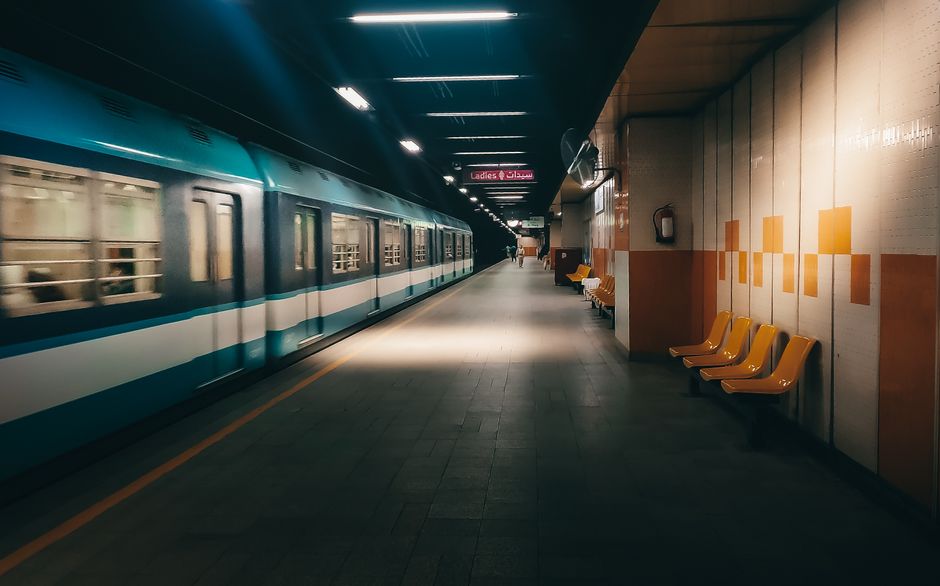
Cairo's renewed push to modernise its transport infrastructure has sparked heated debate among officials and urban planners, with key figures offering sharply divergent assessments of the city's ambitious metro extension project targeting completion by 2029.
The Cairo Transport Authority held a press briefing last week at their headquarters near Tahrir Square, where officials outlined plans to extend the metro system into working-class neighbourhoods of Shubra and Helwan, aiming to ease congestion that costs the city an estimated 35 billion Egyptian pounds annually in lost productivity. Authority spokesperson Amira Hassan told reporters the project would serve approximately 2.3 million daily commuters once operational, but acknowledged budget pressures persist.
However, independent urban development consultant Dr Karim Mansour from the American University in Cairo raised concerns about the timeline's realism. "The authority has revised timelines twice already," Mansour noted in an interview at his office in Garden City. "We need transparent accounting of how funding shortfalls will be addressed." Current projections place the metro extension cost at 180 billion pounds, with international donors pledging only 68 billion to date.
Displacement remains contentious. The Helwan extension will require clearing approximately 850 informal housing units in the Al-Zawiya Al-Hamra district, home to roughly 3,200 residents. Local council representative Fatima El-Sayyed expressed frustration with relocation assistance packages, which currently offer 450,000 pounds per household—below market rates for comparable housing in adjacent areas. "Our residents deserve fair compensation, not token gestures," El-Sayyed stated during a community meeting at the Helwan Cultural Centre.
Governor Khaled Abbas defended the compensation framework, emphasising that the expansion represents "essential infrastructure for Cairo's future." Speaking at a governance forum in Zamalek, Abbas highlighted that the metro project would reduce traffic-related pollution by an estimated 18 percent in central districts by 2035.
Environmental groups, however, question broader impact assessments. The Egyptian Environmental Affairs Agency has requested additional studies into air quality monitoring along the Nile Corniche corridor, where construction equipment will operate intensively for an estimated 34 months.
City officials appear determined to proceed despite criticism. The next contract phase for tunnel boring is scheduled for August announcement, marking a critical juncture for the project's momentum. Whether Cairo can reconcile infrastructure ambitions with community concerns remains the defining question as summer planning sessions draw to a close.
This article was compiled by AI and screened before publishing. See our editorial standards.