The jackhammers along Helwan's Omar Makram Street have become a constant soundtrack for residents, but what troubles shop owner Fatima Hassan more than the noise is the silence from officials. "We don't even know when our street will be fully excavated," she said, gesturing toward the construction barriers that have cordoned off half her haberdashery storefront since March. "The metro project was supposed to bring development. Instead, it's brought uncertainty."
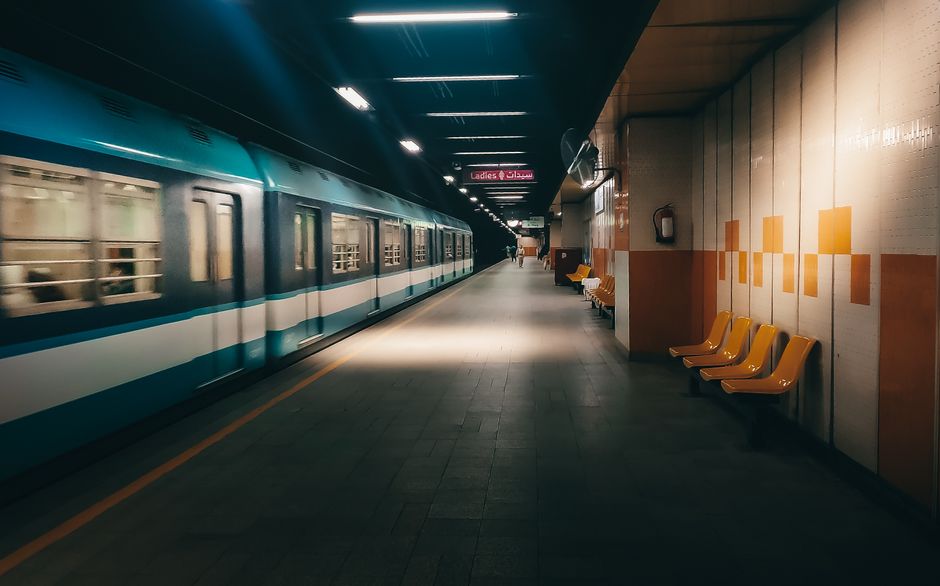
Hassan's frustration reflects a broader concern coursing through several Cairo neighbourhoods as the government accelerates the Cairo Metro Line 4 extension—a 42-kilometre project designed to connect central Cairo with satellite cities and ease pressure on the already-strained Lines 1 and 2. While transport officials tout the initiative as transformative infrastructure, residents in Helwan, Ain Shams, and parts of Nasr City say the reality on the ground falls short of promises.
The project, estimated at roughly 100 billion Egyptian pounds and funded partly through international development loans, is expected to reduce travel times by up to 40 percent for commuters currently spending three hours daily on buses. Yet community members affected by the construction have raised concerns about compensation timelines and livelihood disruption. Small traders operating near Wadi Hof Station report that footfall has dropped 60 percent since barriers went up, according to informal surveys by the Helwan Chamber of Commerce.
"The government talks about economic benefits, but what about today's bread and butter?" asked Ahmed El-Sayed, a juice vendor whose kiosk near the Ain Shams construction site sits abandoned. "They promised compensation by now. It's June."
Public transport advocates remain optimistic. The New Cairo Transport Initiative, an NGO tracking metro expansion, estimates that once completed by 2029, Line 4 could reduce road congestion by 25 percent across the capital. Yet they acknowledge implementation gaps. "Community engagement has been inconsistent," the organisation stated in a recent briefing. "Residents deserve regular updates and transparent compensation schedules."
Governor Khaled Abdel-Aal's office announced compensation committees would convene monthly, but residents report sporadic communication. A spokesperson reiterated that displaced traders would receive interim support, though precise amounts and timelines remain unclear to many affected families.
As summer temperatures climb and construction continues, patience wears thin. "Infrastructure is necessary," Hassan said, "but not at the expense of those already struggling. We need real answers, not just promises."
This article was compiled by AI and screened before publishing. See our editorial standards.