Cairo's infrastructure transformation is reshaping how millions move through the city each day, but beneath the construction cranes and ribbon-cutting ceremonies lies a landscape of data that deserves scrutiny. The numbers tell a more complex story than headlines often suggest.
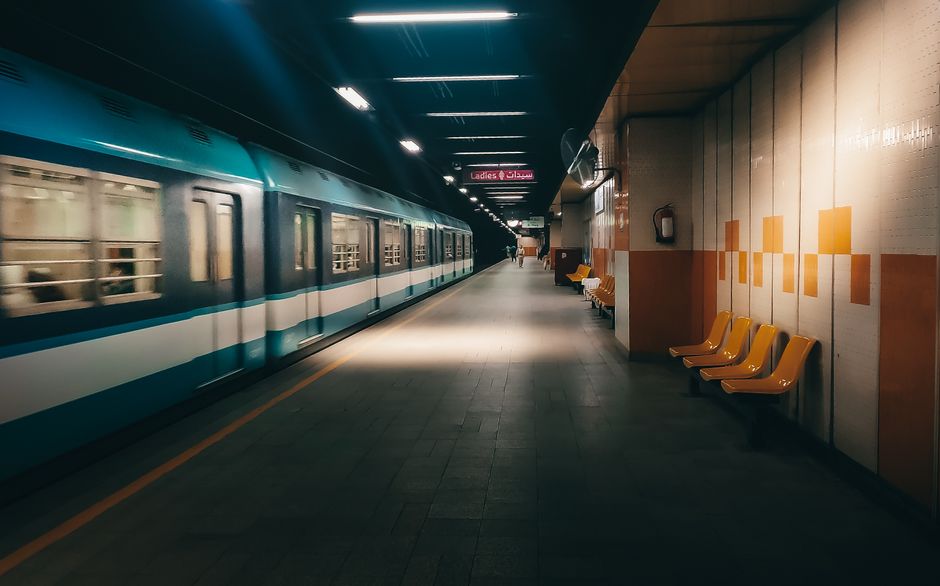
The Cairo Metro expansion remains the flagship project. The fourth line, stretching 43 kilometres from New Cairo through Downtown and into Giza, represents a projected investment of approximately $2.2 billion. Initial phases have already processed design and environmental assessments, with ridership projections estimating 2.4 million daily commuters by 2030—roughly equivalent to the current population of Alexandria. Existing lines carry approximately 6 million passengers daily across their combined 75 kilometres of track, making Cairo's metro system among Africa's busiest.
But the data reveals infrastructure strain beyond what new projects alone can address. Traffic congestion costs the Egyptian capital an estimated 13 billion Egyptian pounds annually in lost productivity, according to transport economists. Average commute times from residential areas like New Cairo, Sheikh Zayed, and Heliopolis to central business districts in Downtown or Nasr City average between 45 and 90 minutes during peak hours—nearly double the global urban average of 25-30 minutes.
The numbers behind the Ain Sokhna Highway expansion tell another story. The project aims to handle 100,000 vehicles daily by 2028, up from current estimates of 62,000. Construction costs reached 8.9 billion pounds when completed in phases between 2023 and 2025. Yet parallel data from the Transportation and Logistics Administration shows that only 34 percent of Cairo's working population uses public transport regularly, compared to 67 percent in comparable Middle Eastern cities like Istanbul.
Road safety statistics underscore urgency. Cairo recorded 2,847 traffic fatalities in 2024, with an average of 7.8 deaths per 100,000 residents—significantly higher than regional benchmarks. Investment in intelligent traffic systems aims to reduce this figure, with smart traffic lights installed across 412 intersections in central Cairo since 2024.
Perhaps most tellingly, the data shows affordability remains critical. A single metro journey costs 3 Egyptian pounds, representing roughly 0.15 percent of the average daily wage for formal sector workers. This affordability drives ridership but also demands consistent subsidy—the government allocated 3.8 billion pounds to metro operations in 2025-26.
As Cairo continues its infrastructure sprint, these numbers reveal both remarkable progress and persistent gaps between investment and lived experience across the metropolis.
This article was compiled by AI and screened before publishing. See our editorial standards.