Cairo Housing Crisis 2024: New Plan Shapes Urban Future
Egypt's government revises New Administrative Capital strategy as Cairo planners weigh densifying inner districts versus satellite city expansion for 20 million residents.
Egypt's government revises New Administrative Capital strategy as Cairo planners weigh densifying inner districts versus satellite city expansion for 20 million residents.
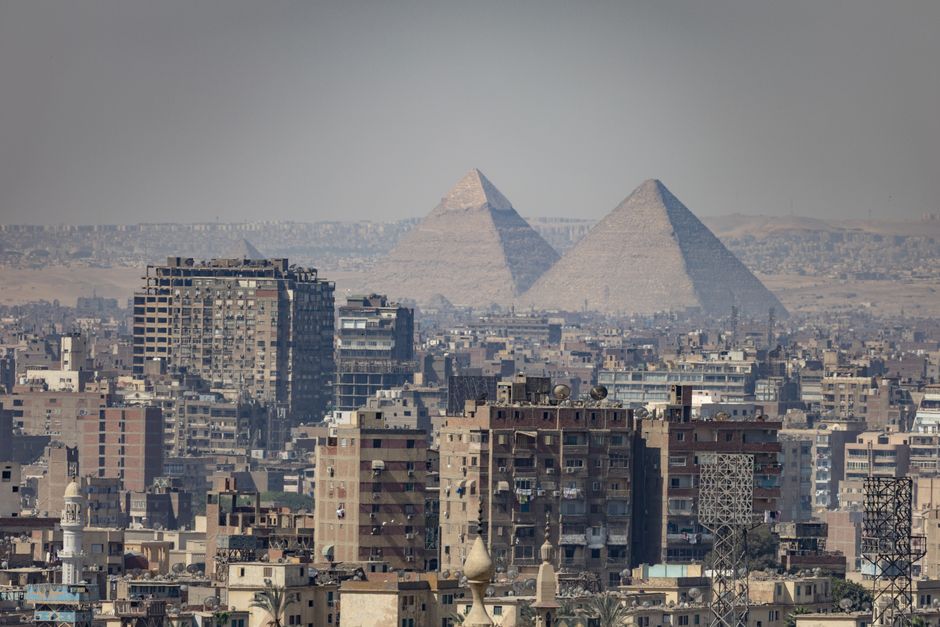
Cairo stands at a turning point. With housing prices in central neighbourhoods like Zamalek and Garden City now reaching 40,000 EGP per square metre—and affordable units in districts like Helwan selling for 8,000 EGP—the city's planning authorities must decide whether to double down on the New Administrative Capital model or fundamentally rethink how 20 million residents will be housed over the next decade.
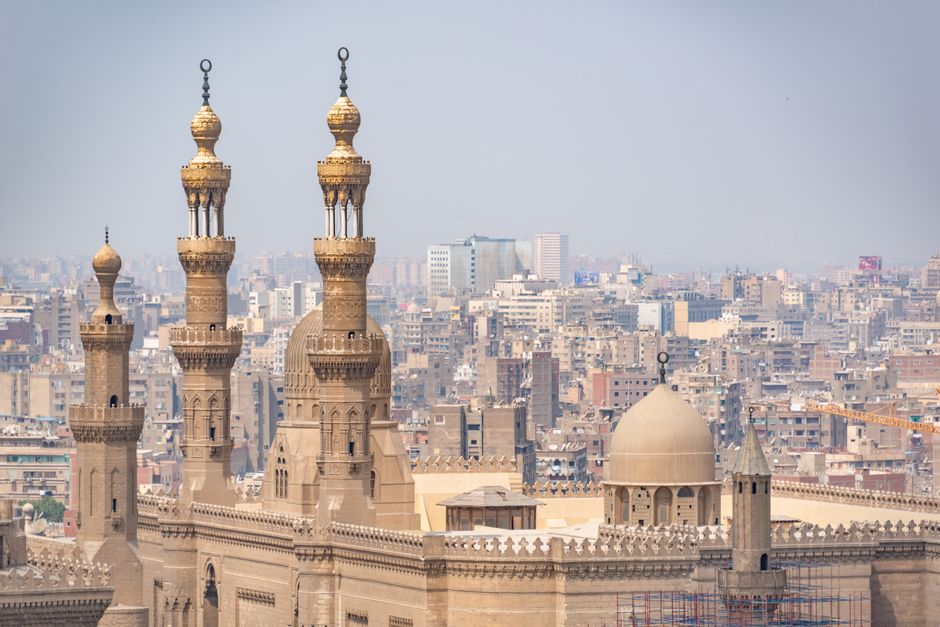
The Ministry of Housing's current five-year plan expires in September, and sources indicate three major decisions loom. First, officials must determine the pace of development in satellite cities like New Cairo and 6th of October City. Second, they need to address the deteriorating infrastructure in historic quarters like Islamic Cairo, where overcrowding and building safety concerns plague residents. Third, and most pressingly, planners must resolve contradictions in zoning policies that have frozen development in Nasr City and Maadi while simultaneously approving high-rise projects along the Corniche.
Real estate analyst figures suggest that approximately 850,000 housing units will be needed by 2030 to accommodate Egypt's urban population growth. Yet recent government data shows completion rates for affordable housing units fell 18 percent short of targets in 2025. The New Administrative Capital, intended to relieve pressure on Cairo proper, has attracted slower uptake than planners anticipated, with occupancy rates hovering around 35 percent despite government incentives.
The Egyptian Federation of Real Estate Developers has called for urgent clarification on land allocation policies. Without clear signals, private sector investment remains cautious. Meanwhile, grassroots housing advocates argue that the focus on mega-projects has sidelined incremental urban renewal in working-class areas of Imbaba, Shubra, and Rod El-Farag, where informal housing dominates and basic services remain inadequate.
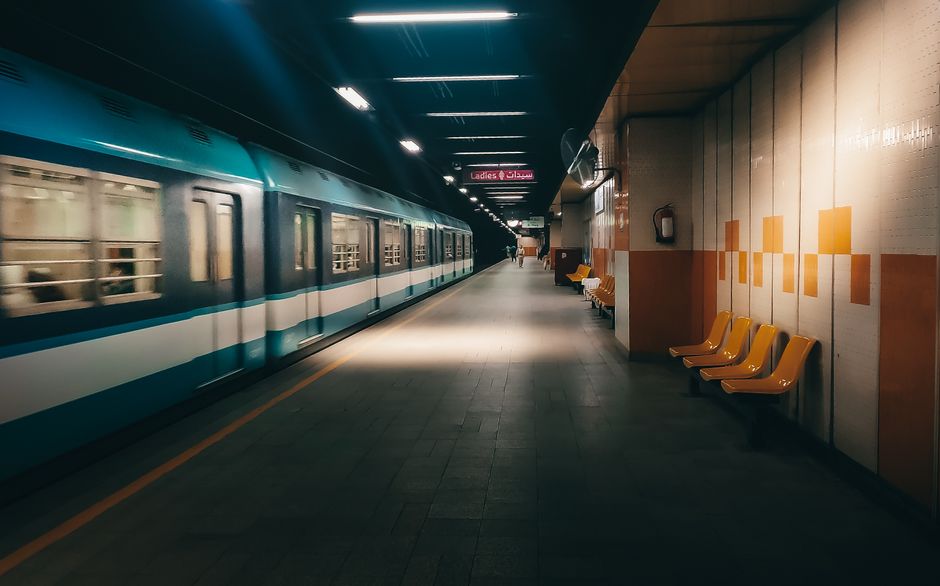
The Ministry's July announcement will address several specifics: whether to accelerate Metro Line 4 completion to connect satellite cities, how to regulate short-term rental platforms affecting housing stock, and crucially, whether to permit mixed-income development on state land along the eastern and western edges of the metropolitan area.
Urban planners at the American University in Cairo suggest the government faces a binary choice: commit to densification and rehabilitation of existing districts, or accept continued sprawl with its attendant infrastructure costs. Either path demands substantial capital investment and political will.
As Cairo awaits these decisions, residents and investors alike are watching closely. The choices made in the coming months will determine whether the city evolves into a more compact, integrated metropolis or continues fragmenting into disconnected urban satellites. For a city already straining under pressure, the stakes could hardly be higher.
This article was compiled by AI and screened before publishing. See our editorial standards.
How does this story make you feel?
Spread the word
About this article
Published by The Daily Cairo
Daily brief
Free, in your inbox before 7am. Weekdays.
More in News