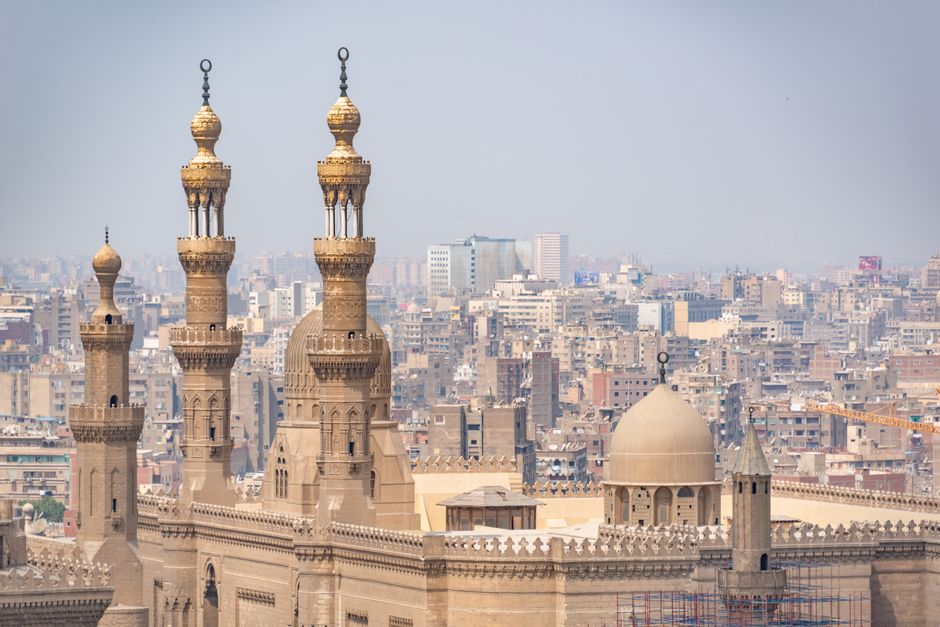
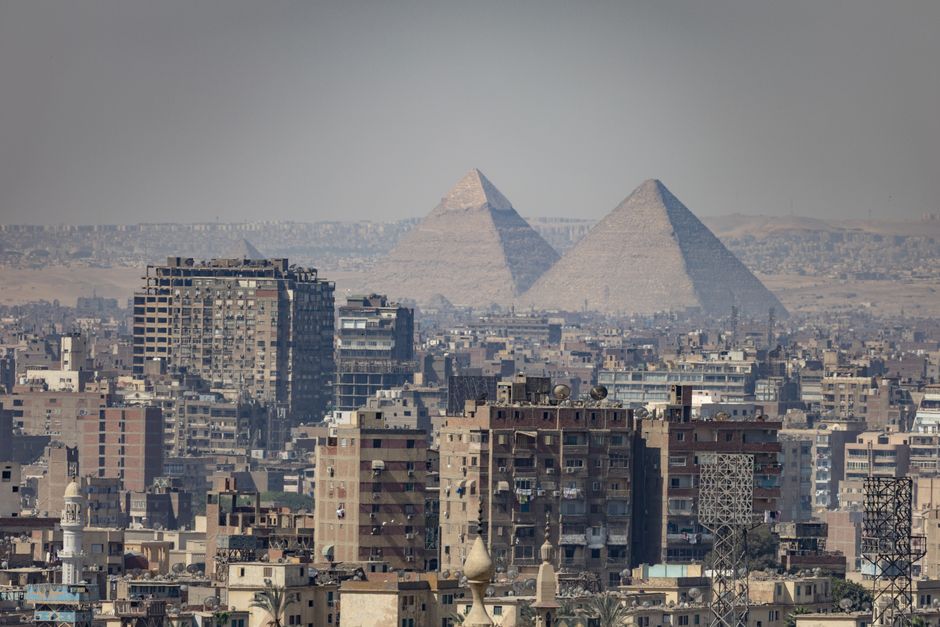
Cairo stands at an environmental precipice. With air quality index readings regularly exceeding 200 in central districts like Garden City and Zamalek during winter months, the city's sustainability initiatives have moved from aspirational to urgent. But the question facing municipal authorities, private developers, and civil society organisations is no longer whether Cairo needs to change—it's how, and who decides what comes next.
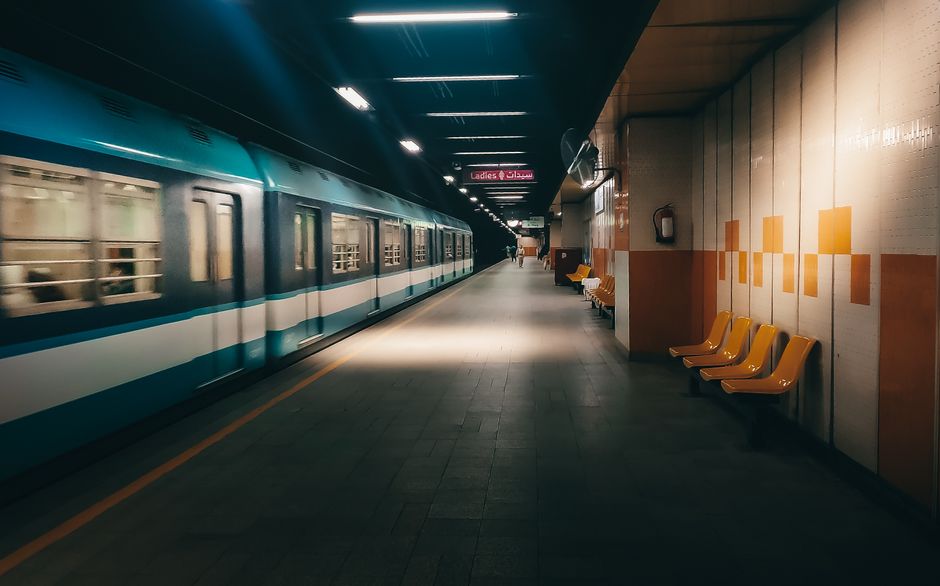
The city's latest environmental audit, released earlier this year, revealed that transport accounts for roughly 65 per cent of Cairo's nitrogen oxide emissions. The planned expansion of the Metro system to cover 400 additional kilometres by 2032 represents the single largest infrastructure bet on reducing vehicle dependency. Yet funding remains uncertain, and parallel decisions about Bus Rapid Transit corridors along Corniche El-Nil and through Heliopolis have stalled since early 2025.
Meanwhile, the informal waste sector—which employs an estimated 60,000 Cairenes in neighbourhoods like Manshiyat Naser and Zawiyat el-Hamra—faces an existential test. Plans to formalise and mechanise collection processes could improve recycling rates from the current 20 per cent toward a 50 per cent target by 2030. But implementation requires capital investment and worker retraining that neither the governorate nor NGOs have fully resourced.
Water scarcity adds another layer of complexity. Cairo's per-capita water availability has declined by 18 per cent since 2010, intensifying pressure to treat and recycle wastewater for agricultural and industrial use. The New Administrative Capital project, located 45 kilometres east, was designed partly to ease congestion here—but moving government offices won't resolve the Nile's diminishing flow during dry seasons.
Private sector engagement remains patchy. While some real estate developers in New Cairo are incorporating solar panels and grey-water systems into projects, regulatory enforcement is inconsistent. Building codes updated in 2023 mandate sustainability standards, yet inspections lag and penalties for non-compliance are rarely applied.
The next eighteen months will be decisive. A comprehensive sustainability roadmap, due for adoption by Cairo's governorate by December 2026, will determine whether the city prioritises rapid transit, waste management, or water security first. Budget allocations announced in the new fiscal year will signal which initiatives receive genuine momentum. International climate finance mechanisms—particularly funding from the African Development Bank and bilateral donors—could unlock resources currently unavailable domestically.
For residents navigating Cairo's dense streets, the stakes are immediate: cleaner air, reliable water, and jobs in the green economy. For policymakers, the challenge is sequencing reforms without overwhelming fragile institutions. The decisions made in the coming months will shape whether Cairo becomes a model for urban sustainability in the Middle East—or a cautionary tale of ambition outpacing capacity.
This article was compiled by AI and screened before publishing. See our editorial standards.