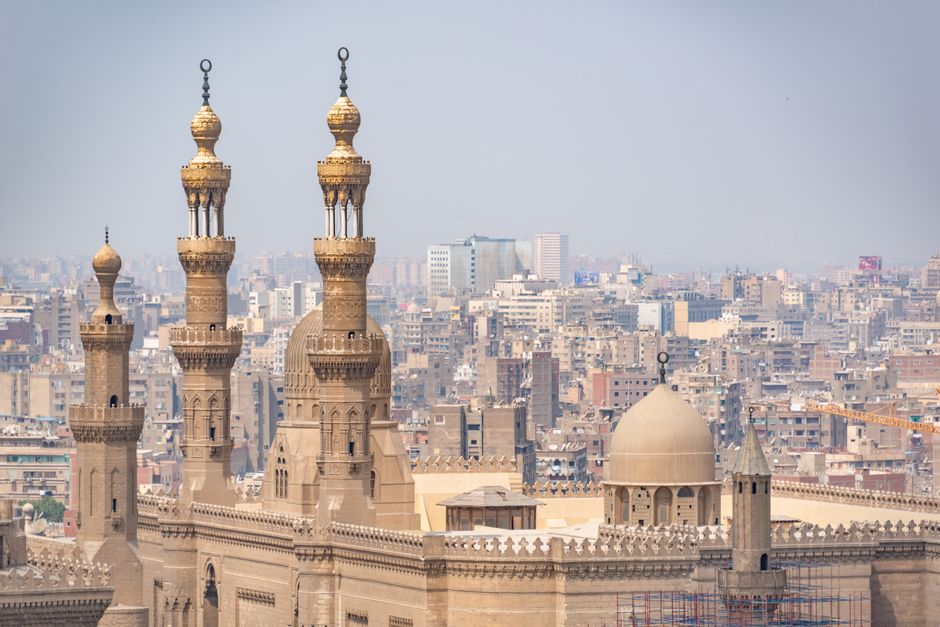
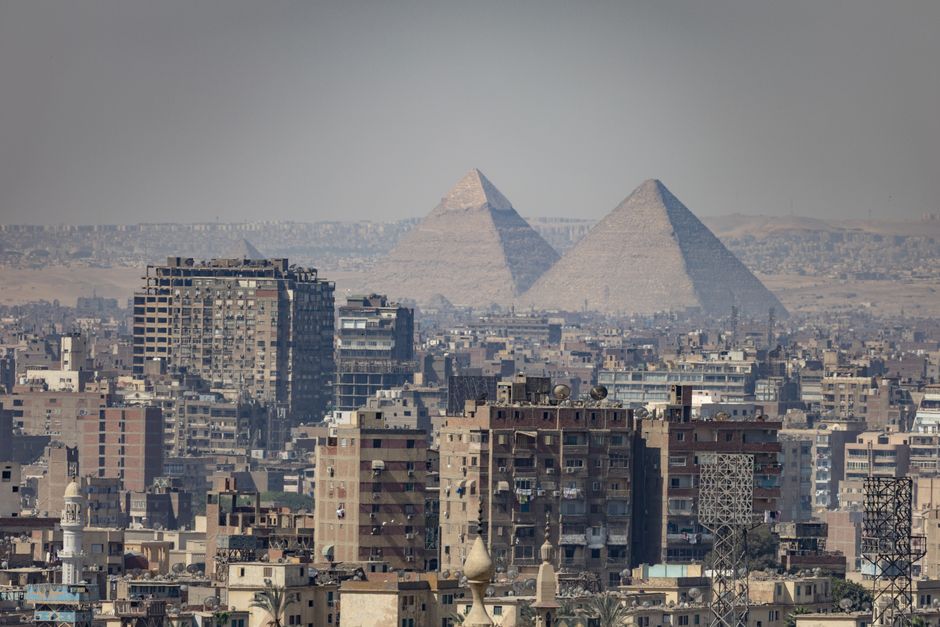
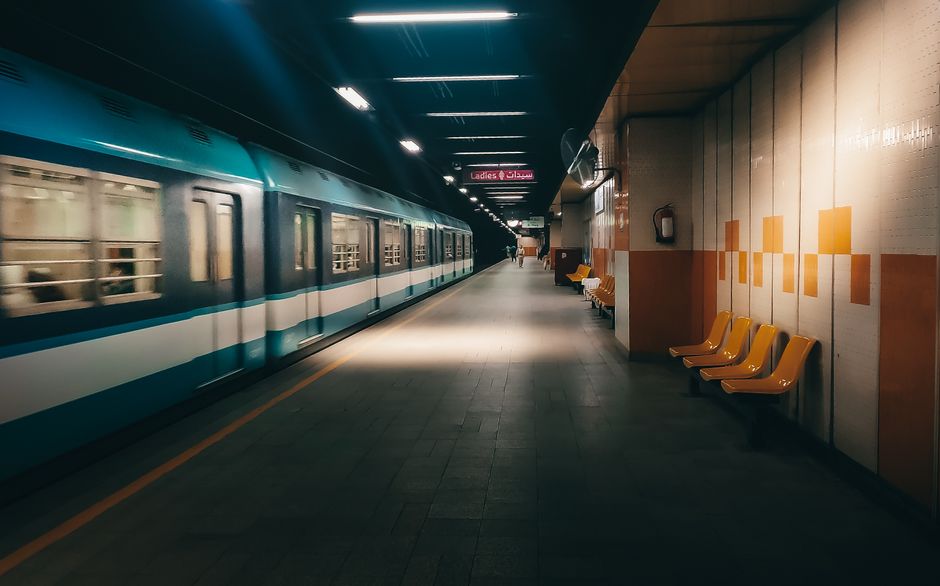
Cairo is quietly undergoing a demographic transformation that rivals some of the world's most international cities. With an estimated 2.1 million migrants and refugees now residing in the Egyptian capital—according to recent International Organisation for Migration data—the city faces integration challenges that demand urgent policy solutions.
The neighbourhoods of Zamalek and Garden City have become focal points for this shift, with Lebanese, Syrian, and South Asian communities establishing businesses along Sharia Champollion and near the American University in Cairo. Yet Cairo's infrastructure and social integration systems lag significantly behind comparable global cities.
London, home to roughly 3.7 million foreign-born residents across a metro area of 9 million, has invested heavily in multilingual public services and community liaison programs since the 1990s. Toronto, similarly diverse, operates 200-plus settlement agencies funded through federal grants. By contrast, Cairo's municipal services remain largely Arabic-only, and formal integration support is fragmented across NGOs rather than coordinated by government bodies.
"The gap is substantial," notes Dr. Hassan El-Sayed, migration specialist at the American University in Cairo. "Cities that successfully manage multicultural populations treat integration as infrastructure investment, not charity."
Some progress exists. The Coptic Cairo Heritage Foundation and organisations operating in Helwan have begun bridging language barriers through community centres. The Sharia Talaat Harb area—historically a commercial hub—has absorbed migrant entrepreneurs into its textile and goods markets, mirroring how London's Brick Lane evolved. Monthly rents for small shopfronts in these areas range from 2,500 to 4,000 Egyptian pounds, making entrepreneurship accessible compared to equivalent Western city zones.
However, housing remains Cairo's acute pressure point. With average apartment rents in Maadi reaching 3,500-5,500 pounds monthly, migrants increasingly cluster in informal settlements and overcrowded Sayida Zainab neighbourhoods, creating social friction and straining utilities.
Dubai offers a counterpoint: its deliberate recruitment of skilled migrants has generated 88% of the emirate's population as foreign-born, yet institutional planning—mandatory employer-sponsored housing, structured visa pathways, Arabic language requirements—has prevented the chaos Cairo now faces. Toronto's points-based system similarly pre-selects migrants with skills matching labour market needs.
Cairo's authorities have announced plans for an integration framework by 2027, but implementation remains uncertain. Without coordinated housing policy, language services, and employment training—pillars that distinguish successful global cities from struggling ones—Cairo risks repeating costly mistakes rather than learning from cities that came before.
This article was compiled by AI and screened before publishing. See our editorial standards.