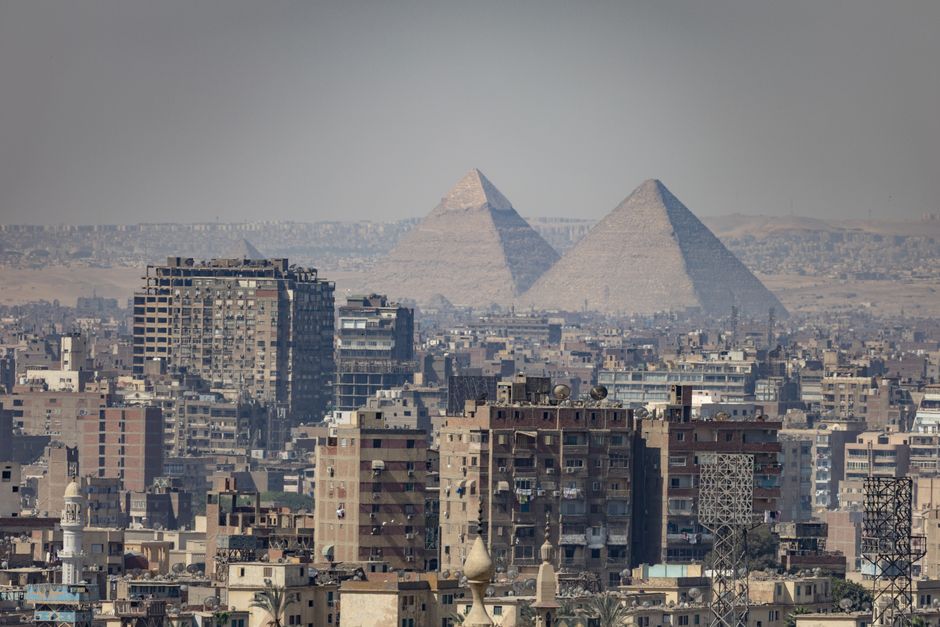
Walk through Zamalek or Heliopolis today, and the contrast is unavoidable. While tree-lined avenues in these established neighbourhoods host villas worth tens of millions of pounds, families in Imbaba and Bulaq al-Dakrour remain crammed into deteriorating buildings, some lacking basic utilities. This isn't accidental. It's the accumulated result of seven decades of housing policy decisions, each one narrowing options for ordinary Cairenes.
The story begins in the 1950s, when Gamal Abdel Nasser's government sought to control rapid urbanisation through centralised planning. State housing projects like those in Nasr City and Helwan were genuinely ambitious—affordable units, planned infrastructure, a vision of modern Egypt. But the model couldn't scale. By the 1980s, as Cairo's population surged past five million, these formal developments covered less than 15 per cent of annual housing need.
The real turning point came with economic liberalisation. The Infitah policies of the 1970s opened Cairo to private developers, but without corresponding regulation. Wealthy investors found it far more profitable to build luxury compounds on the city's edges—New Cairo, Sheikh Zayed, 6th of October City—than to develop middle-income housing. Meanwhile, informal settlements mushroomed as migrants and working families simply built where they could afford to, often on agricultural land or unauthorised areas. Today, roughly 65 per cent of Cairenes live in informal housing.
Government responses have ranged from ineffective to counterproductive. Rent control laws dating to 1962, intended to protect tenants, instead discouraged landlords from maintaining buildings or constructing new ones. Property speculation became rampant; a single apartment in Downtown Cairo now routinely costs 4-6 million pounds. Attempts to clear settlements—like the controversial Manshiyat Nasser operations—relocated families without providing genuine alternatives.
The New Administrative Capital project, announced in 2015, represents perhaps the starkest policy choice: directing billions in resources toward a new city whilst Cairo's existing 20 million residents face worsening conditions. Supporters argued it would decongest the capital; critics saw it as abandonment.
What's missing from this history is sustained investment in affordable housing integrated with existing neighbourhoods. No serious attempt at zoning reform. No meaningful taxation on vacant properties or speculation. No coordination between transport, employment, and housing policy. Each decision was made in isolation, treating symptoms rather than the systemic failure.
Today's housing crisis didn't happen overnight. It was built, decision by decision, policy by policy, across generations. Understanding how we arrived here is the only honest starting point for getting out.
This article was compiled by AI and screened before publishing. See our editorial standards.