For anyone who spent the morning commute crawling from Helwan to downtown Cairo on the Ring Road, or waiting 45 minutes for a microbus from Giza to cross the 6th of October Bridge, the answer to why Egypt is now investing billions in transport infrastructure seems obvious: necessity.
But the path to today's megaprojects—the New Administrative Capital rail connections, the expanded metro lines, the planned bus rapid transit corridors—is a story of delayed decisions, demographic shock, and the slow recognition that the city's creaking 1950s-era transport skeleton could not sustain a population that has roughly tripled since the Nasser era.
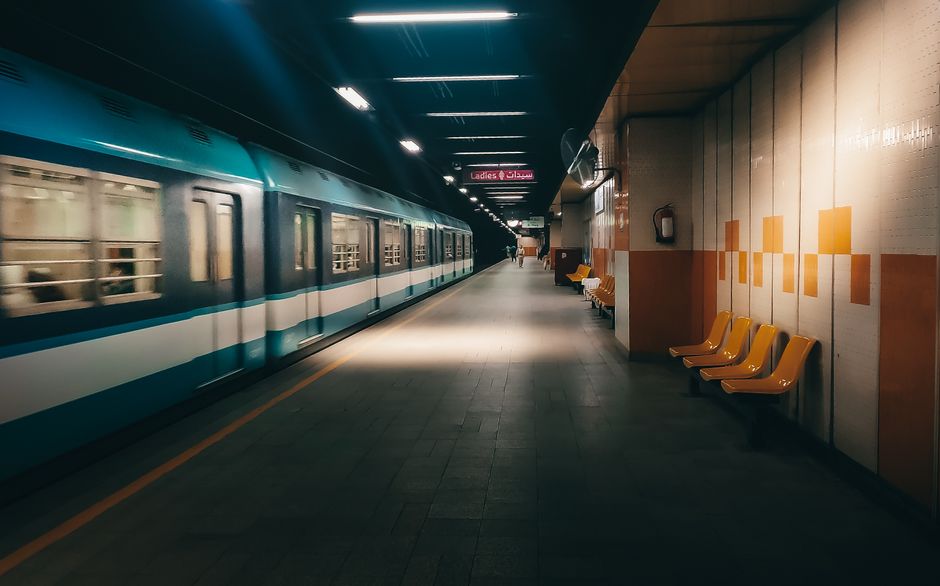
Cairo's metro opened in 1987, a flagship achievement that moved 2 million passengers daily by the early 2000s. For decades, it remained the city's only major rail transit system. Meanwhile, the population swelled. By 2015, estimates suggested 20 million people lived within the greater Cairo metropolitan area. Traffic volumes on routes like the Corniche and through Dokki increased exponentially. The average commute time from suburban neighbourhoods like New Cairo and Sheikh Zayed to central business districts doubled between 2010 and 2020.
The turning point came around 2014-2016, when government planners acknowledged what residents already knew: congestion was becoming economically untenable. The World Bank estimated that Cairo's traffic congestion cost the economy roughly 4-5 percent of GDP annually in lost productivity and fuel consumption. Air quality deteriorated as vehicles idled in jams lasting hours.
What followed was a recalibration of state priorities. The New Administrative Capital project, announced in 2015, forced planners to confront transport logistics differently. If hundreds of thousands of civil servants would work 45 kilometres east of traditional Cairo, moving them by individual car was impossible. The subsequent decision to build dedicated rail links—the Capital Ring Road and metro extensions—represented a philosophical shift toward mass transit solutions that should have happened decades earlier.
Today's infrastructure boom is thus not merely about modernisation; it reflects hard lessons learned from underfunding public transport while allowing private car ownership to explode. The recent expansion of Line 3 to neighbourhoods like Helwan, the metro's push toward the 15th of May City, the planned monorail connecting 6th of October—each represents an attempt to address accumulated deficit.
Whether this catch-up investment succeeds depends partly on funding and execution. But for Cairo, these projects represent something more fundamental: a belated recognition that sustainable cities require planning for movement before crisis forces the issue.
This article was compiled by AI and screened before publishing. See our editorial standards.