Cairo Officials Chart Course on Metro Expansion and Housing Crisis: Here's What Leaders Are Saying
As the city grapples with congestion and affordability, government representatives and urban planners outline competing visions for Cairo's future.
As the city grapples with congestion and affordability, government representatives and urban planners outline competing visions for Cairo's future.
Cairo's municipal leadership is facing mounting pressure to address two intertwined crises: the chronic strain on public transportation and a deepening housing shortage that has left middle-income families increasingly unable to afford rent in central neighbourhoods. At a series of public forums this month, officials have begun unveiling their strategic priorities, even as experts warn that solutions remain years away.
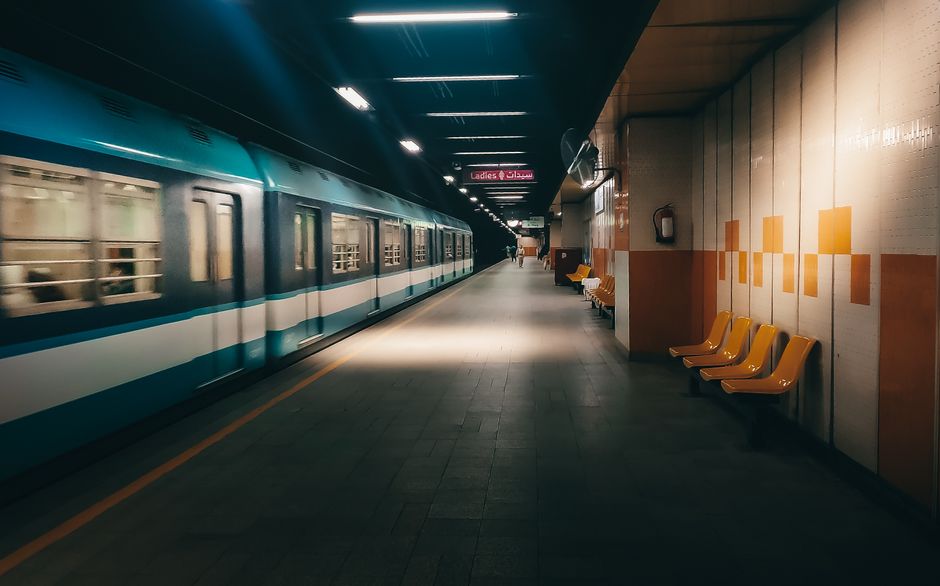
The Cairo Transport Authority recently held a stakeholder meeting at the Egyptian Museum conference centre, where officials discussed Phase 4 of the Metro expansion project, targeting completion by 2029. The proposed extensions into Helwan and northeast toward New Cairo aim to relieve congestion on already-saturated corridors serving Garden City and downtown. Current ridership exceeds 6 million journeys daily, according to transport officials, a figure that has climbed 23 percent since 2020.
"We are realistic about timelines," a spokesperson for the Transport Authority stated at the forum, emphasizing that infrastructure projects depend heavily on sustained funding and coordination with municipal planning departments. The authority noted that ticket prices—currently 3 Egyptian pounds for standard fares—may require adjustment to support maintenance operations on expanded networks.
Meanwhile, the Cairo Governorate's Housing and Urban Development Directorate outlined new incentive schemes for private developers willing to build affordable units in satellite neighbourhoods like Sheikh Zayed. Officials there highlighted the acute shortage: median monthly rent in central Cairo has climbed to approximately 4,000–5,500 pounds for a two-bedroom apartment, pricing out many professionals. The directorate announced plans to streamline permitting processes and offer tax breaks for projects meeting affordability benchmarks.
Yet independent urban planners expressed cautious skepticism. Researchers at the American University in Cairo's Urban Development Programme noted that without stricter rent controls or aggressive public housing initiatives, supply-side measures alone may fail to stem displacement from neighbourhoods like Maadi and Zamalek. They called for transparent data-sharing between municipal departments—a perennial challenge in Cairo's governance structure.
The governorate also announced formation of a public-private taskforce to address informal settlement upgrading in areas like Imbaba and Manshiyet Nasser, where an estimated 2.5 million residents lack adequate utilities. Officials pledged technical and financial support, though the scale of commitment remains unclear.
As Cairo moves deeper into summer—and toward crucial budget hearings in July—residents and observers await concrete policy rollouts. The gap between official timelines and citizen needs remains significant, but the messaging shift signals growing recognition that incremental approaches may no longer suffice for Africa's second-largest city.
This article was compiled by AI and screened before publishing. See our editorial standards.
How does this story make you feel?
Spread the word
About this article
Published by The Daily Cairo
Daily brief
Free, in your inbox before 7am. Weekdays.
More in News