New housing policy frameworks unveiled by Cairo's municipal authorities this month rest on a foundation of sobering demographic data. The numbers tell a story that goes far beyond headline announcements: a city of nearly 21 million people grappling with structural shortages that official statistics now quantify with unprecedented detail.
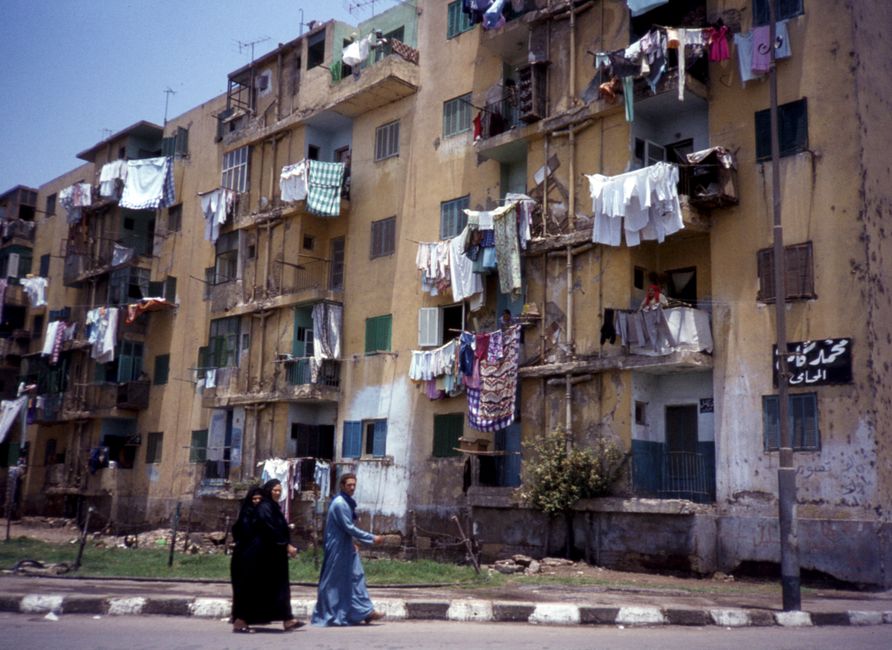
According to data compiled by the General Authority for Urban Planning, Cairo faces a cumulative housing deficit of approximately 3.2 million units when accounting for current population and projected growth through 2040. The average household in districts like Shubra and Rod El-Farag occupies 1.8 rooms per capita—well below the internationally recommended standard of 2.5—while median prices in these neighbourhoods have climbed 47 per cent over the past four years alone.
The ministry's own housing affordability index shows that 62 per cent of Cairo residents cannot afford units in newly developed zones without subsidised financing. In Nasr City and Heliopolis, where government-backed projects have concentrated investment, apartment prices now hover between 180,000 and 320,000 Egyptian pounds per square metre. Meanwhile, informal settlements house approximately 4.7 million residents across areas including Imbaba and parts of Giza—populations largely absent from formal planning documents until recently.
The government's New Administrative Capital strategy has quietly absorbed 8.7 billion pounds in direct capital expenditure since 2019, according to state budget filings. Critics argue these resources might have addressed Cairo's internal housing shortage, where overcrowding in historic quarters remains acute. Data from the Central Agency for Public Mobilisation and Statistics reveals that monthly rental prices in Garden City and Zamalek have surged past 8,000 pounds for modest two-bedroom units—pricing out middle-income Egyptian professionals.
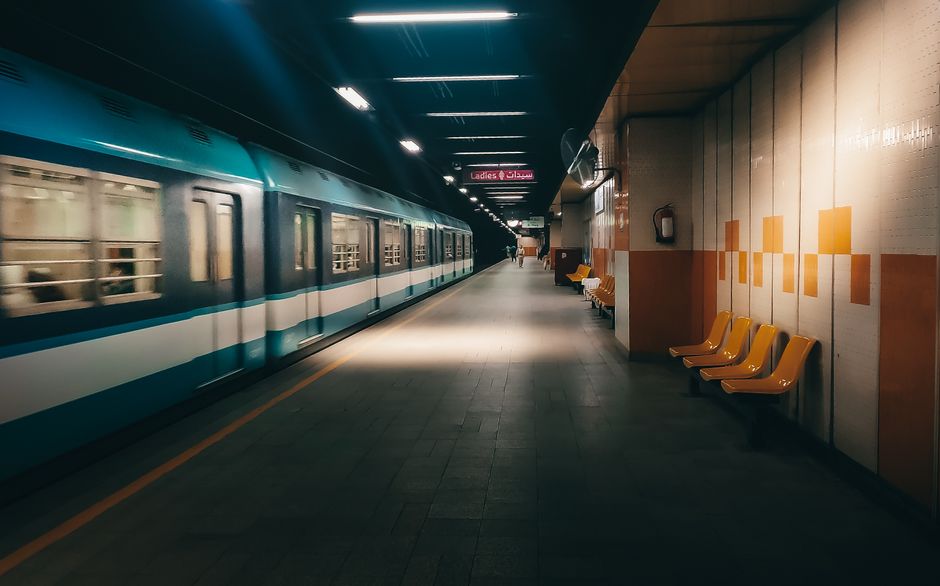
The newly announced zoning reforms promise to unlock 2.4 million square metres of land across the city's eastern expansion zones by 2032. Officials project this could add roughly 180,000 residential units, assuming current density standards hold. Yet transport infrastructure data presents challenges: commuting times from proposed new housing clusters in areas near the Ring Road to central employment hubs average 90 minutes during peak hours.
What remains unclear from official documentation is how pricing mechanisms will address the core issue: the growing gap between supply cost and working family income. Average household earnings in Cairo stand at approximately 4,200 pounds monthly, while mortgage calculations suggest affordability requires units priced below 60,000 pounds per square metre—a figure most private developers cannot meet profitably.
As Cairo's planners fine-tune their approach, these statistics will determine whether reforms address the crisis or merely redistribute it.
This article was compiled by AI and screened before publishing. See our editorial standards.