Cairo's sustainability ambitions are entering a critical phase, with senior officials and environmental experts increasingly vocal about the need for systemic change across the sprawling metropolis of over 20 million residents. At a roundtable discussion hosted by the American University in Cairo's new Sustainability Institute last week, key stakeholders outlined their vision for tackling the city's most pressing environmental challenges.
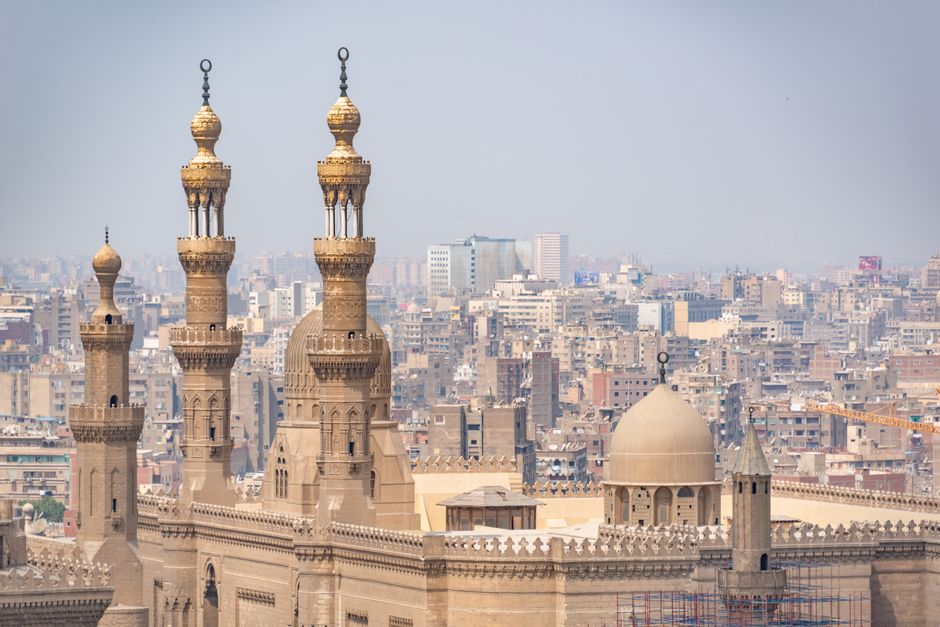
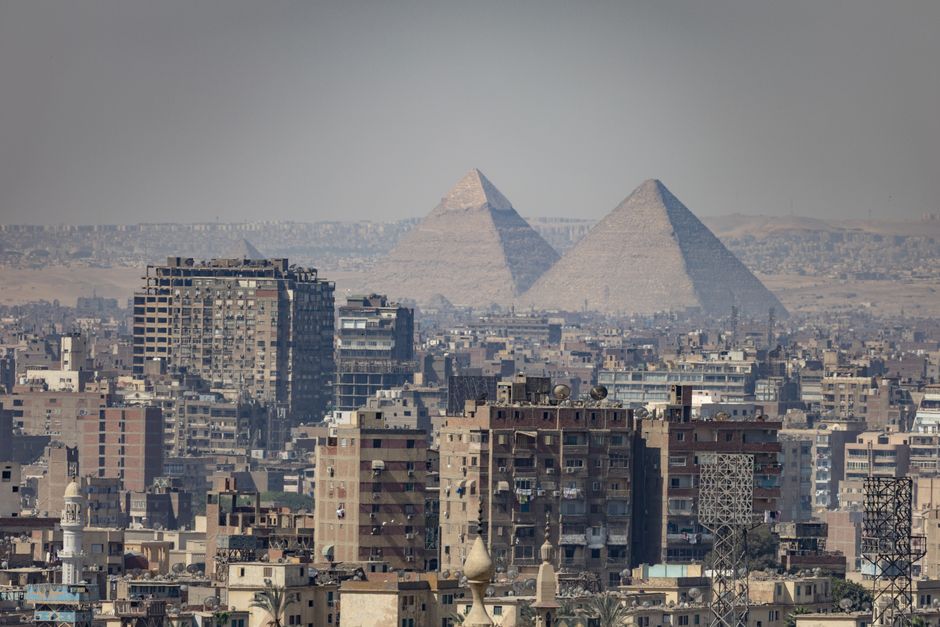
The Egyptian Environmental Affairs Agency has signalled stronger enforcement of emissions standards, particularly targeting industrial zones in Helwan and Nasr City, where air quality readings regularly exceed WHO guidelines by 300 per cent. Officials emphasized that without coordinated action, Cairo's annual healthcare costs attributable to air pollution—estimated at 2.3 billion Egyptian pounds—would continue climbing.
Dr. Amira Hassan, director of environmental research at Ain Shams University, highlighted the urgency of Cairo's water crisis. "The Nile's contribution to Cairo's water supply has dropped to 55 cubic metres per capita annually," she noted, pointing to rapid population growth and upstream dam construction as critical factors. Experts are pushing for aggressive water recycling initiatives in densely populated districts like Zamalek and Garden City, where consumption remains among the highest in the city.
The Cairo Governorate's newly established Green Spaces Authority has committed to planting 500,000 trees by 2028, particularly in underserved neighbourhoods such as Dar el-Salam and Manshiyet Nasser. Officials stressed that urban green infrastructure would serve dual purposes—cooling the city amid rising temperatures while improving air quality and mental health outcomes.
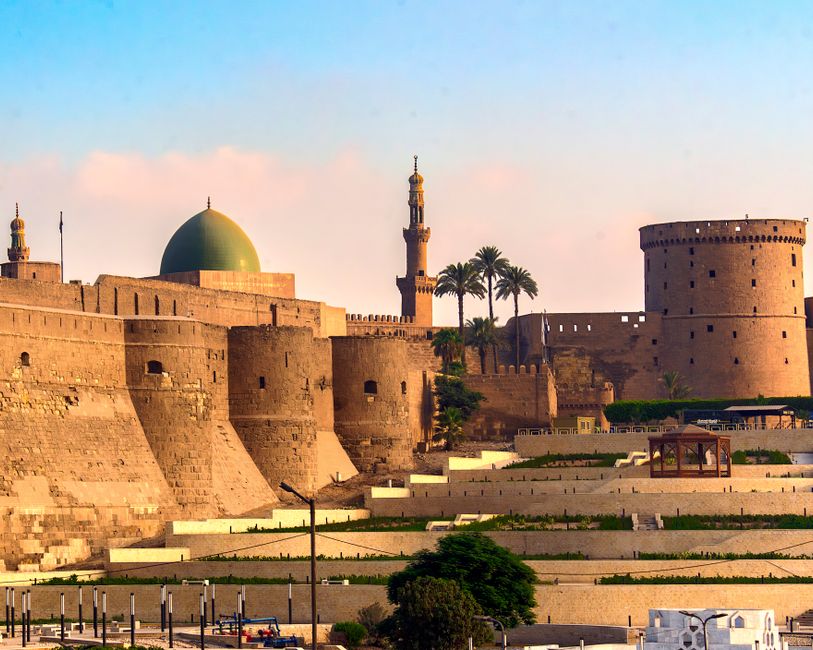
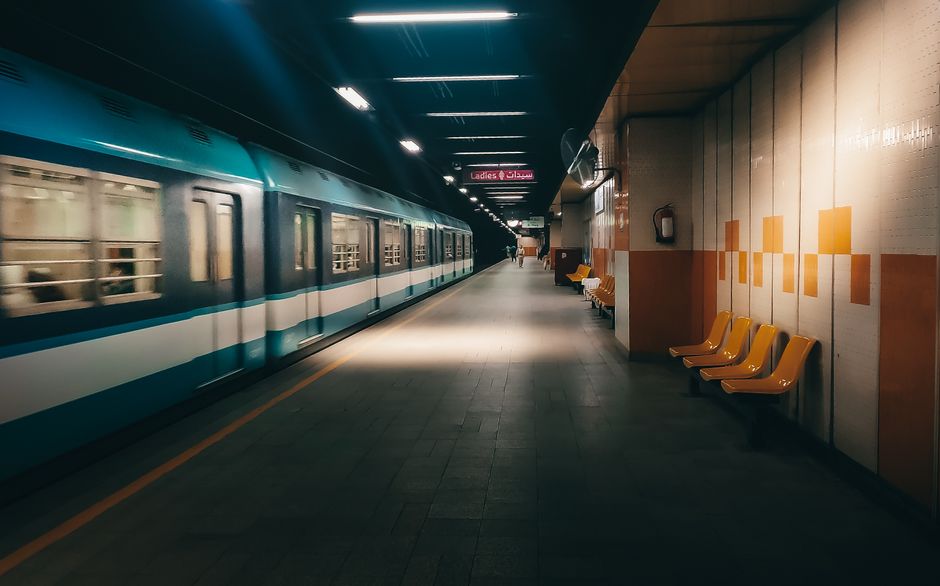
Public transport represents another focal point. Transit authorities have pledged to expand the Metro's current 75-kilometre network, with extensions to eastern Cairo districts reducing reliance on private vehicles. The second phase of the Electric Bus Initiative, launching this autumn, will introduce 200 zero-emission buses on major routes including those serving the Citadel and Egyptian Museum corridors.
Solar energy adoption emerged as a key theme, with government representatives discussing incentives for rooftop installations across central Cairo. Currently, less than 2 per cent of the city's energy derives from renewable sources, a figure officials say must reach 15 per cent by 2030.
Despite optimistic rhetoric, experts acknowledged persistent challenges: funding constraints, bureaucratic delays, and public awareness gaps continue hampering implementation. Nevertheless, the consensus among Cairo's environmental leadership suggests a genuine commitment to reshaping the city's sustainability trajectory—though success will ultimately depend on sustained political will and coordinated action across multiple sectors.
This article was compiled by AI and screened before publishing. See our editorial standards.