Cairo's municipal government delivered mixed signals this week as the City Council approved an ambitious infrastructure blueprint while simultaneously grappling with mounting criticism over implementation delays that have left commuters frustrated across the sprawling metropolis.
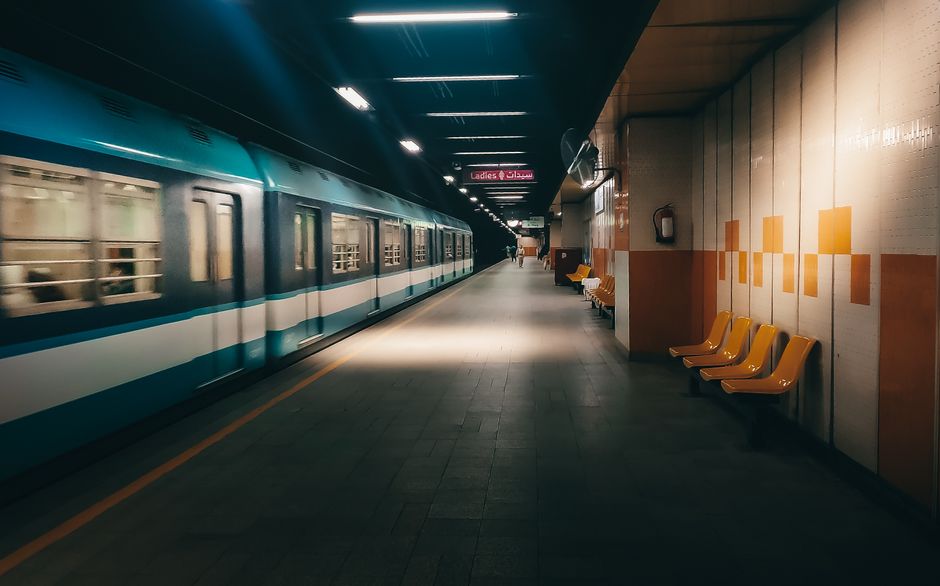
In a session held Monday at the Governorate headquarters in Abbasiya, council members voted 34-to-8 in favour of a five-year transport and development strategy that includes extensions to the Metro Line 4 corridor, targeting completion by 2029. The plan allocates approximately 8.2 billion Egyptian pounds toward upgrading transit infrastructure, with particular focus on links between East Cairo's Nasr City district and the satellite communities of New Cairo and Sheikh Zayed.
However, the approval arrives as residents of Garden City and Downtown Cairo continue reporting severe congestion on Tahrir Street and Mohammed Mahmoud Street, where roadworks initiated last October have yet to conclude. Municipal officials blamed supply chain disruptions, though local business associations operating along these thoroughfares have expressed frustration with the project timeline, citing lost revenue as foot traffic declined by an estimated 22 per cent.
The week also saw the Governorate launch a public consultation portal for the controversial Nile Corniche waterfront redevelopment project, which would reconfigure pedestrian zones between the Qasr El-Nil Bridge and the National Museum. While officials frame the initiative as modernising the emblematic riverside, residents and heritage advocates have voiced concerns about displacement and preservation of the area's historical character.
Separately, the Cairo Transportation Authority announced revised bus route schedules effective immediately, consolidating five lines that service Heliopolis and Maadi to improve efficiency. The agency claimed the restructuring would reduce wait times by up to 15 minutes during peak hours, though skeptical commuters await empirical results.
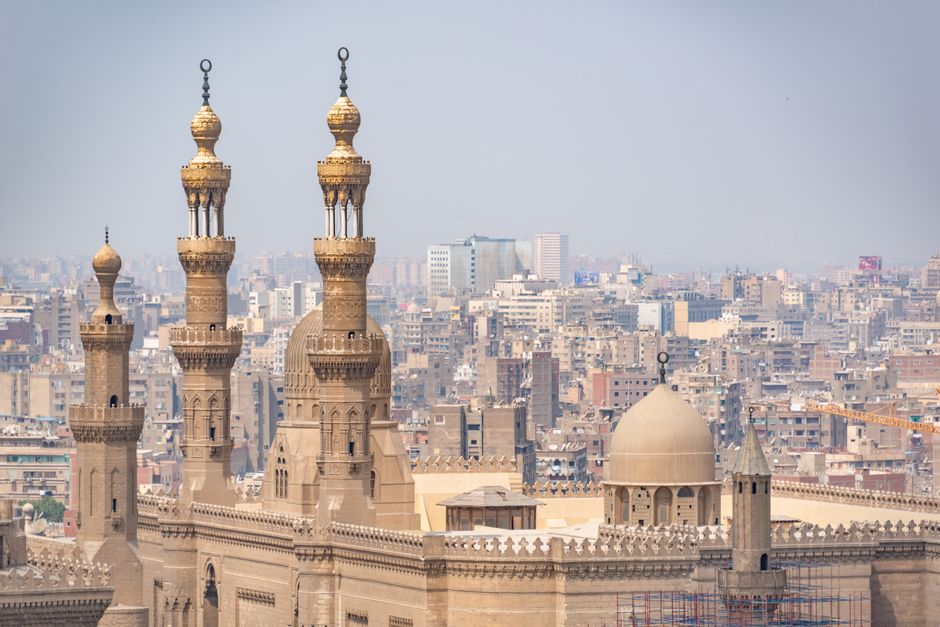
A less publicised but equally significant development emerged from Wednesday's committee meeting: the Governorate formally accepted a proposal to establish a dedicated waste management taskforce for Islamic Cairo, acknowledging longstanding complaints about sanitation in the historic neighbourhood. The initiative comes amid broader municipal recognition that infrastructure deficits in older districts demand targeted intervention.
Dr. Khaled Abdel-Fattah, an urban planning analyst at the American University in Cairo, noted that this week's decisions reflect genuine attempts at systematic reform, though execution remains the critical variable. "Approval is one thing," he remarked in recent commentary. "Cairo's residents will judge these initiatives by tangible improvements on their daily commutes and neighbourhoods."
As the capital heads into July, all eyes remain on whether the council's ambitious agenda translates into meaningful progress or becomes another entry in Cairo's lengthy history of unfulfilled municipal promises.
This article was compiled by AI and screened before publishing. See our editorial standards.