Cairo Officials Chart Course on Congestion as Experts Warn of Infrastructure Limits
Government and urban planners speak out on the city's mounting transport challenges as June's heat compounds commuter frustrations across metropolitan routes.
Government and urban planners speak out on the city's mounting transport challenges as June's heat compounds commuter frustrations across metropolitan routes.
Senior officials at Cairo's Municipal Authority convened this week to address mounting public concern over traffic congestion and public transport reliability, with key figures signalling both commitment to improvement and sobering acknowledgment of resource constraints facing the city of over 20 million residents.
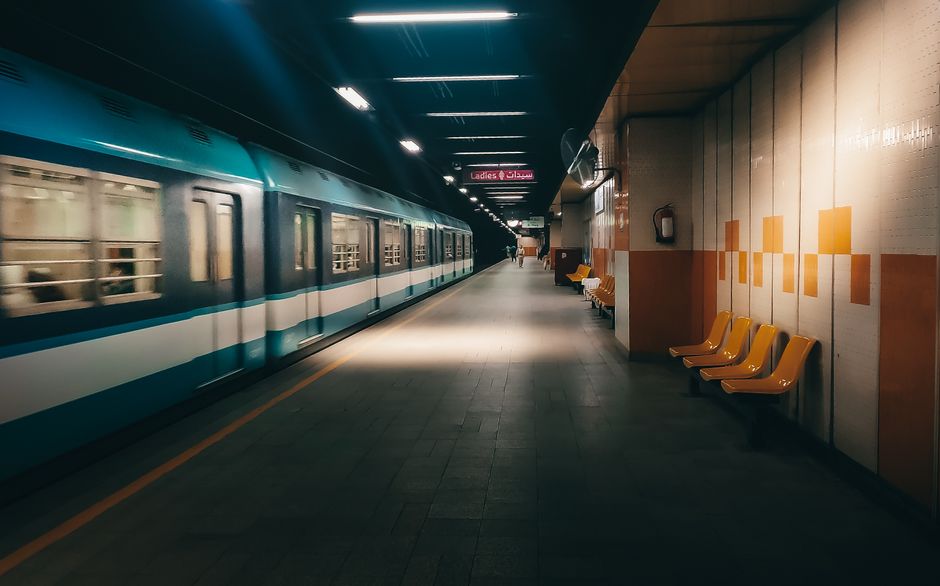
The discussions centred on persistent delays along major arteries including the Ring Road and Corniche routes, where average commute times have stretched to 90 minutes during peak hours—up substantially from historical benchmarks. Officials noted that June's extreme temperatures, which have exceeded 40°C, have compounded vehicle breakdowns and reduced metro operational efficiency during critical morning and evening windows.
"We are managing competing pressures," stated a spokesperson for the Cairo Governorate's transport coordination office, speaking on condition of anonymity due to protocol restrictions. The official acknowledged that the metro's Line 2—which services Giza, Tahrir, and Helwan—was operating at 115 percent capacity during rush periods, straining both infrastructure and passenger safety margins.
Urban mobility experts consulted by the authority have outlined three priority areas: expanding bus rapid transit corridors in East Cairo neighbourhoods including Nasr City and Heliopolis; upgrading traffic signal synchronisation across Downtown districts; and finalising construction timelines for extensions currently paused in Maadi and New Cairo suburbs.
The Egyptian Traffic Academy, in its quarterly assessment shared with municipal leadership, highlighted that unregulated informal taxi services continue absorbing approximately 40 percent of daily commuter trips—a figure planners say undermines strategic forecasting. "Without integrating informal transport into formal systems, our modelling becomes speculative," noted researchers familiar with the analysis.
Cost remains central to official deliberations. Transport authority budgets for 2026-27 allocate approximately 8.2 billion Egyptian pounds to maintenance, with expansion projects requiring external financing still under negotiation with international development institutions. Officials described this as "adequate for stabilisation but insufficient for expansion at the pace public demand requires."
Community voices have grown louder. Local councils in Zamalek and Garden City have submitted formal requests for dedicated bus lanes, while business associations along Talaat Harb Street report that extended commutes are affecting employee punctuality and retail foot traffic during afternoon hours.
Observers note that Cairo's transport crisis mirrors broader governance challenges facing Egypt's capital—where rapid urbanisation, limited budgets, and aging infrastructure create perpetual trade-offs between immediate relief and long-term systemic reform. The coming month will test whether announced initiatives move beyond planning documents into implementable action.
This article was compiled by AI and screened before publishing. See our editorial standards.
How does this story make you feel?
Spread the word
About this article
Published by The Daily Cairo
Daily brief
Free, in your inbox before 7am. Weekdays.
More in News