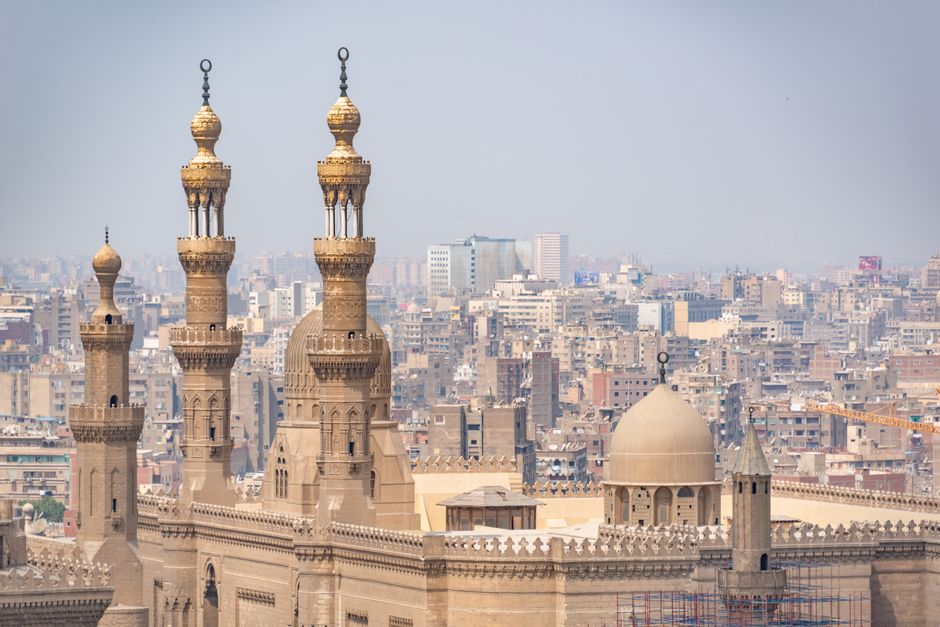
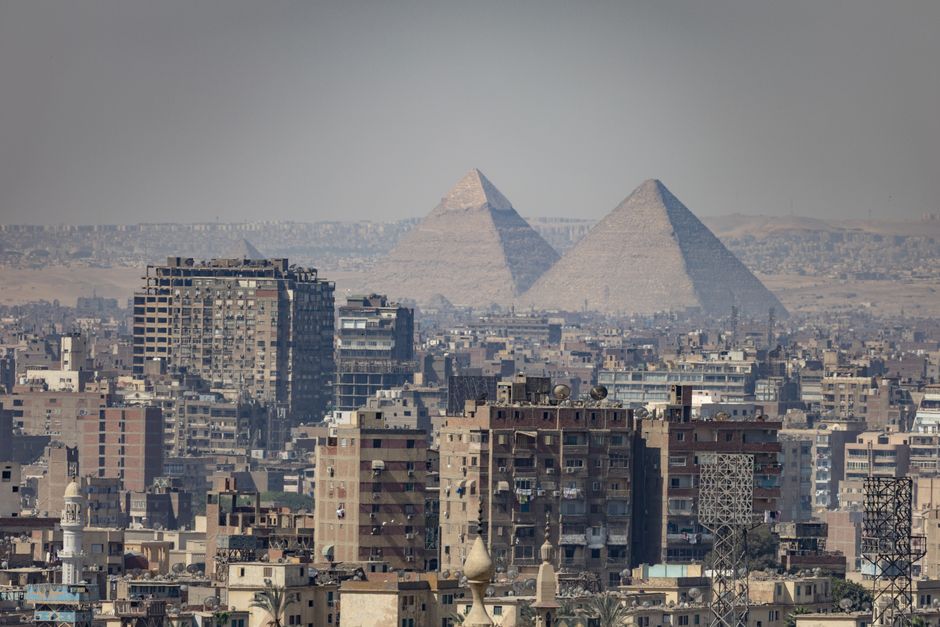
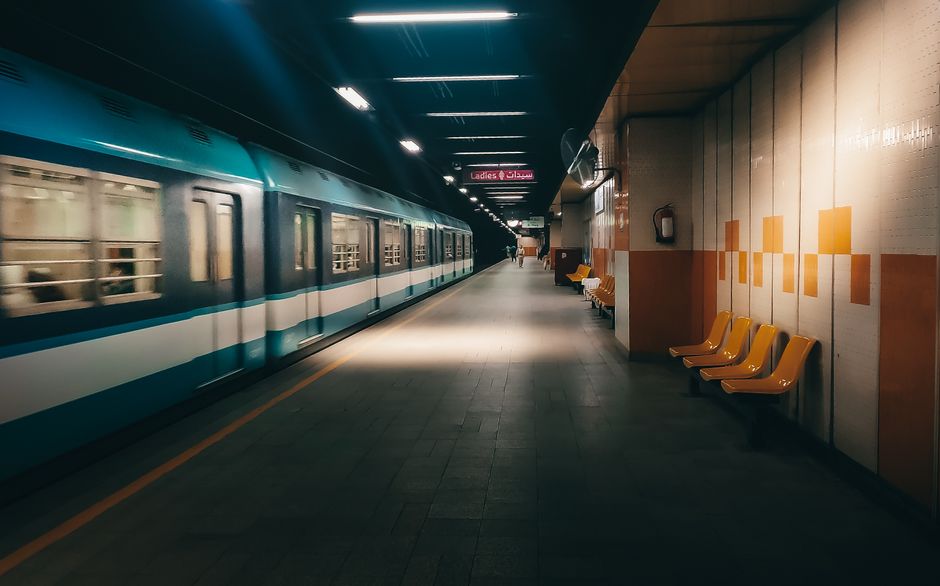
When the 5.2-magnitude earthquake struck Cairo in late May, residents in Zamalek and Garden City experienced a familiar pattern: rapid community mobilisation alongside spotty official coordination. The response revealed how this city of 21 million approaches neighbourhood resilience in ways both distinct from and remarkably similar to other global megacities grappling with crises.
In the days following the tremor, informal networks activated quickly. Residents of Dokki and Agouza organised building-by-building welfare checks through neighbourhood WhatsApp groups, a model mirroring community responses in Istanbul and Mexico City. Yet Cairo's approach differs fundamentally: the city relies far more heavily on these organic, often invisible networks than on institutionalised disaster preparedness infrastructure.
"We saw what happened in Venezuela and Turkey," said one Mohandiseen resident, reflecting common sentiment. "Our government announced recovery plans, but the real safety net has always been our neighbours." This contrasts sharply with cities like Tokyo or Singapore, where municipal disaster drills occur quarterly and neighbourhood associations receive government training and modest funding.
Cairo's informal economy—estimated at 35 per cent of GDP—creates particular dynamics. In poorer neighbourhoods like Bulaq and Darassa, where housing stock is more precarious, community organisations like the Zamalek Youth Centre and various mosque-based initiatives mobilised supplies far faster than official channels. Local shopkeepers waived payment for elderly residents needing supplies, a pattern documented across Cairo but less systematised than mutual-aid frameworks in Seoul or Barcelona.
Yet vulnerabilities remain stark. Unlike Mumbai or Bangkok, which have invested in neighbourhood-level early warning systems, Cairo's disaster preparedness remains patchy. Many apartment buildings in central Cairo lack basic earthquake safety information. The governorate's official recovery centre, established near Tahrir Square, struggled with coordination, partly because digital infrastructure remains uneven across different income brackets.
Significantly, Cairo's response highlighted both cultural assets and structural challenges. Religious institutions and extended family networks proved remarkably effective—a strength often underestimated in Western-centric disaster management literature. Simultaneously, the city exposed gaps that wealthier megacities have largely addressed: standardised building codes, emergency communication systems, and trained neighbourhood coordinators.
As global crises accelerate, Cairo's experience suggests that megacities with strong informal social fabrics can respond quickly—but shouldn't mistake community spirit for sustainable preparedness. The lesson isn't unique to Cairo, but it's urgent here: organised neighbourhood resilience requires investing in the networks that already exist, rather than imposing external models designed elsewhere.
This article was compiled by AI and screened before publishing. See our editorial standards.