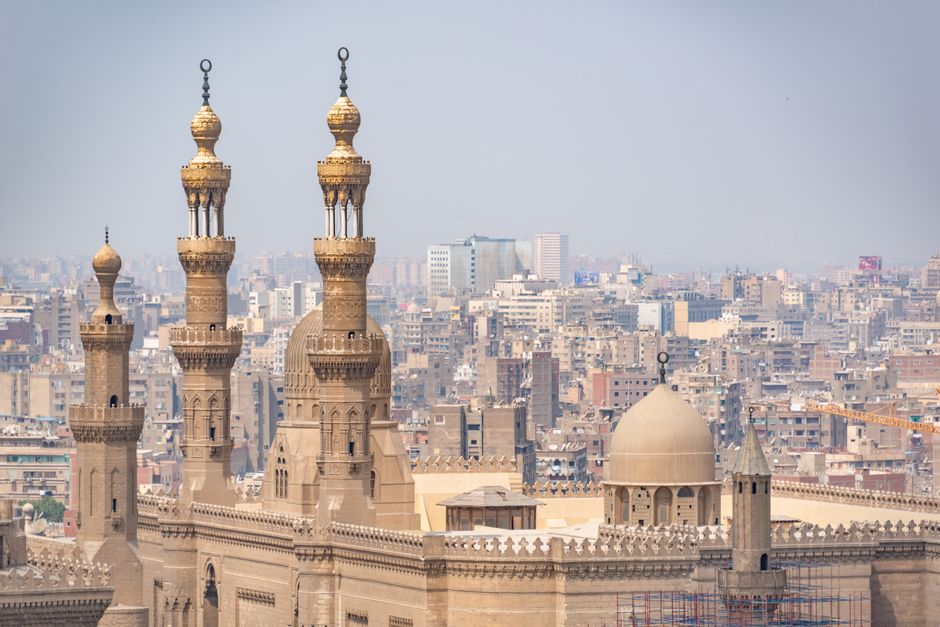
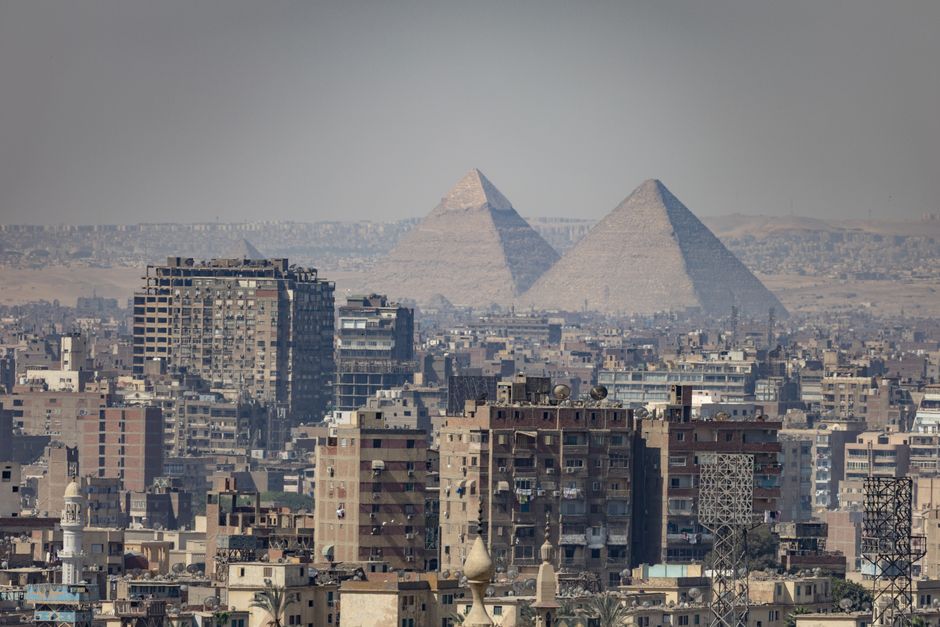
The gridlocked streets around Tahrir Square tell one story. The paramedic stationed near the Ramses Hilton who must cover a 15-kilometre radius tells another. Together, they reveal how Cairo's emergency services—once regarded as functional by regional standards—have deteriorated into a system struggling to meet the demands of a city housing nearly 20 million people.
For years, the warning signs were there. The Egyptian Red Crescent Society's ambulance fleet, numbering around 2,000 vehicles across the entire country, remains grossly insufficient for Cairo's population density. Response times in densely populated neighbourhoods like Shubra, Helwan, and parts of Giza routinely exceed 45 minutes—double the international benchmark of 20 minutes for life-threatening emergencies. A single accident on the Ring Road can paralyse traffic for hours, trapping both vehicles and those requiring urgent care.
The roots of this crisis trace back over a decade. Budget allocations to civil protection and emergency medical services have failed to keep pace with Cairo's explosive urban growth. Between 2010 and 2025, the city's population swelled by approximately 40 per cent, yet emergency infrastructure investment grew by less than 15 per cent in real terms. Training facilities remain concentrated in limited locations—the National Institute of Fire and Rescue Services operates primarily from facilities in New Cairo and Helwan, creating bottlenecks in personnel development.
Technology gaps compound these structural problems. While many Western cities introduced digital dispatch systems two decades ago, Cairo's emergency services still rely on a patchwork of telephone-based coordination. Calls to the Central Security hotline frequently encounter busy signals during peak hours. The absence of integrated mapping systems means responders often waste critical minutes navigating congested routes, particularly in informal settlements where street layouts defy conventional planning.
Insurance coverage tells another story: fewer than 12 per cent of Cairenes hold comprehensive health insurance, meaning emergency departments at hospitals like Qasr Al-Aini and Al-Demerdash absorb an unsustainable volume of uncompensated care. This financial strain has forced difficult triage decisions and delayed non-emergency treatments.
Public safety agencies themselves acknowledge the problem. Internal assessments conducted in 2024 identified critical shortfalls in equipment, training, and coordination protocols. Industrial accidents in the Shubra Industrial Zone, traffic collisions on the Citadel Plateau approach roads, and medical emergencies in residential compounds in Sheikh Zayed have all exposed vulnerabilities that can no longer be dismissed as isolated incidents.
The question now is whether targeted investment and systemic reform can reverse this trajectory before another crisis exposes the system's fragility.
This article was compiled by AI and screened before publishing. See our editorial standards.