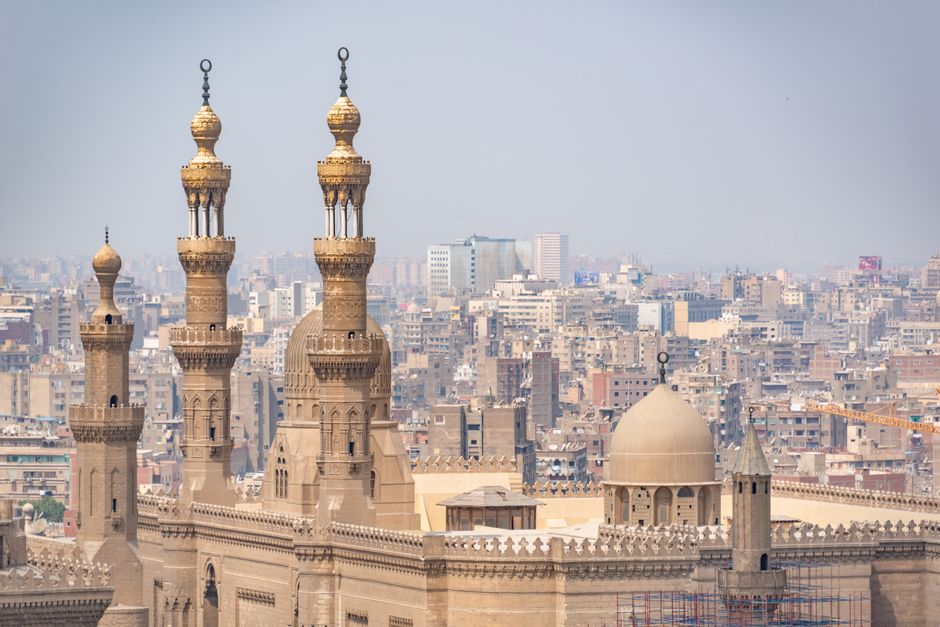
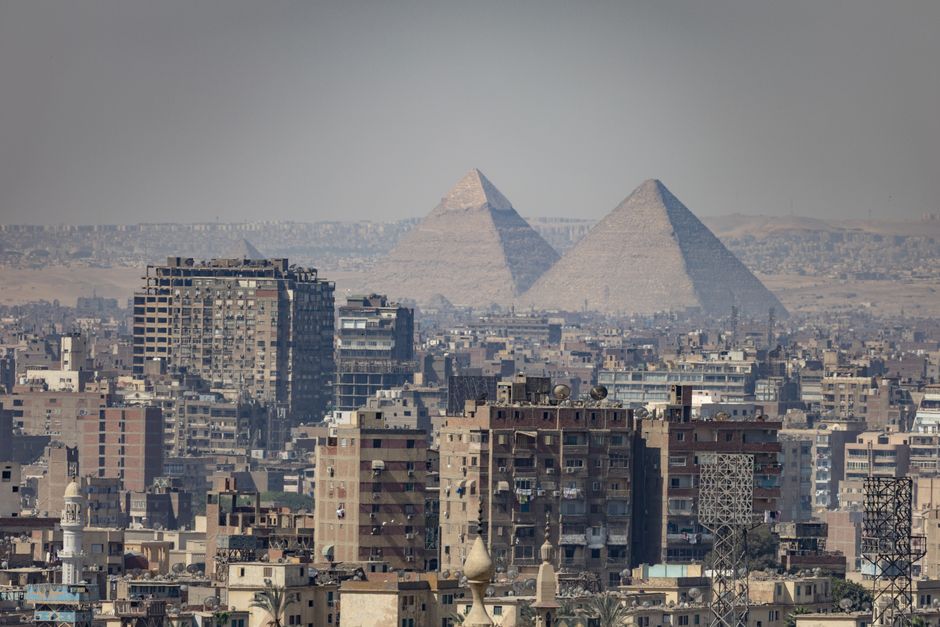
Cairo's housing debate has intensified this week as government officials, urban planners, and civil society representatives present starkly different blueprints for addressing the city's chronic accommodation crisis. The divergence centres on whether neighbourhoods like Imbaba and Zawiya al-Hamra—home to roughly 2.3 million people living in densities exceeding 40,000 per square kilometre—should be rebuilt from scratch or incrementally improved.
Officials from the New Urban Communities Authority have signalled renewed commitment to large-scale residential projects on the city's eastern and western peripheries, citing studies showing that median apartment prices in central Cairo have climbed to 18,000 Egyptian pounds per square metre. Government representatives argue that directing middle-income families toward planned developments around New Cairo and New Administrative Capital suburbs will naturally relieve pressure on historical districts.
However, urban development specialists at the American University in Cairo's Center for Sustainable Development have challenged this approach, pointing to the 2010-2020 decade when peripheral expansion coincided with continued informal growth in central neighbourhoods. "Displacement without meaningful economic integration simply relocates poverty," according to research presented at a public forum held last week near Tahrir Square.
The Ministry of Housing, Utilities and Urban Communities has outlined plans to upgrade infrastructure in priority areas like Manshiyat Nasser and parts of Islamic Cairo, with targeted investment in water systems, waste management, and street networks. Officials emphasise that rehabilitation—rather than demolition—can preserve community fabric while improving living standards.
Conversely, some developers and real estate economists argue that market-led solutions are essential. They point to successful micro-finance housing initiatives in Helwan and 6th of October City, where cooperative ownership models have expanded access for lower-income households.
Residents themselves remain cautious. Focus group discussions conducted by civil society organisations in Bulaq reveal deep anxiety about gentrification, displacement costs, and whether promised improvements will materialise before neighborhoods are transformed beyond recognition.
The tension reflects Cairo's broader struggle: a city of over 20 million people where formal housing supply chronically lags demand, where roughly 40 percent of the population inhabits informal areas, and where each policy decision carries profound consequences for millions. Officials and experts now face mounting pressure to produce concrete timelines and financing mechanisms, not merely competing philosophies.
The next government housing conference is scheduled for mid-July, where ministry officials are expected to unveil revised metropolitan planning frameworks.
This article was compiled by AI and screened before publishing. See our editorial standards.