Cairo Metro Line 4 Extension: 2027 Completion
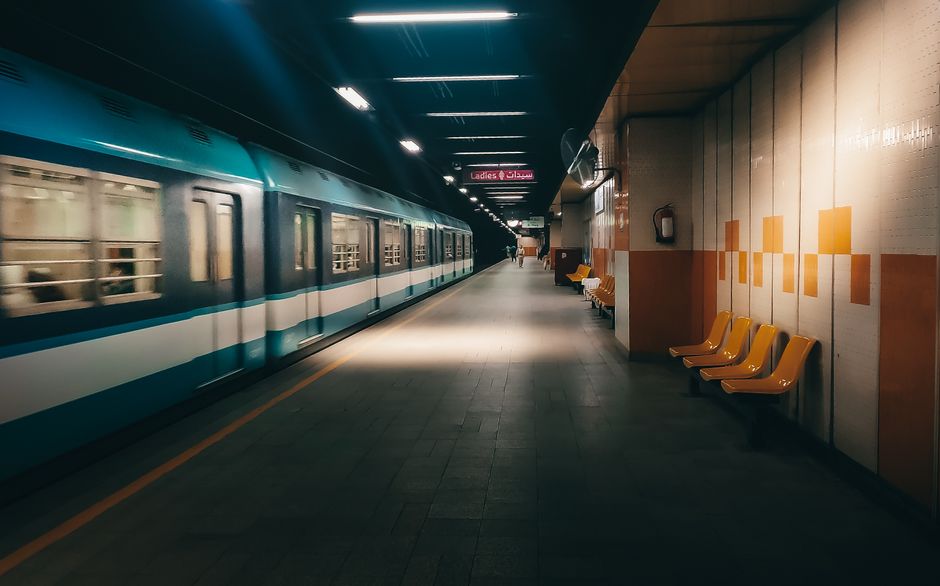
Cairo Metro Line 4 reaches Ain Shams and Helwan by 2027, cutting commute times from 2 hours to 35 minutes for 3.2 million residents across underserved neighborhoods.
Cairo Metro Line 4 reaches Ain Shams and Helwan by 2027, cutting commute times from 2 hours to 35 minutes for 3.2 million residents across underserved neighborhoods.
For Amira Hassan, a textile worker in Ain Shams, the morning commute is a two-hour ordeal. She leaves her apartment in the densely packed neighbourhood at 5:30 a.m., navigates three minibus changes across congested routes, and arrives at her factory near the Citadel exhausted before her shift begins. When the Cairo Metro Line 4 extension reaches her area in late 2027, that journey will take 35 minutes.
Hassan's experience is shared by an estimated 3.2 million Cairenes who live in neighbourhoods currently underserved by the metro system. The ongoing expansion of Line 4—stretching from its current terminal at Helwan Road southward through Helwan, Maadi, and eventually to the industrial zones of 15th of May City—represents the single largest infrastructure intervention in the capital's transport landscape since the completion of Line 3 in 2012.
The project's community impact extends far beyond commute times. Traffic congestion costs Cairo's economy an estimated 80 billion Egyptian pounds annually in lost productivity and fuel waste, according to the Cairo Chamber of Commerce. Each new metro station reduces pressure on surface transport networks, a critical concern in neighbourhoods like Rod al-Farag and Zamalek, where air pollution from vehicle emissions regularly exceeds WHO safety thresholds by 200 per cent during peak hours.
For informal traders and small business owners, the infrastructure shift opens unexpected doors. During construction of Line 1's extension to Helwan in the 1990s, property values within 500 metres of new stations increased by an average of 45 per cent within five years, according to research by the Egyptian Real Estate Federation. Shopkeepers near proposed stations in Maadi and Helwan are already investing in their storefronts, anticipating increased foot traffic.
Yet the benefits remain unequally distributed. Residents of informal settlements in areas like Imbaba—home to roughly 2 million people—worry the metro's routing will bypass their neighbourhoods entirely, deepening transport inequality. Community activists have petitioned the Ministry of Transport to include a secondary feeder bus network, though no commitment has been announced.
Construction timelines remain ambitious. The Transport Ministry projects full operational service by 2028, but Cairo's recent infrastructure projects have faced delays. What's certain is that for millions of residents already planning their futures around the new stations, the metro extension represents something rare in Cairo: a tangible promise of easier, cleaner, more economically viable daily life.
This article was compiled by AI and screened before publishing. See our editorial standards.
How does this story make you feel?
Spread the word
About this article
Published by The Daily Cairo
Daily brief
Free, in your inbox before 7am. Weekdays.
More in News