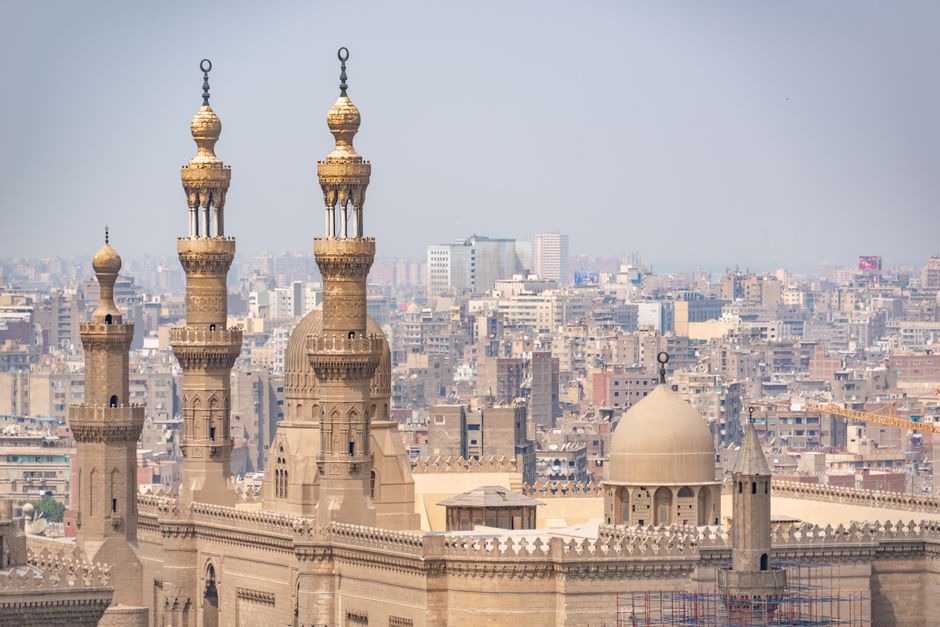
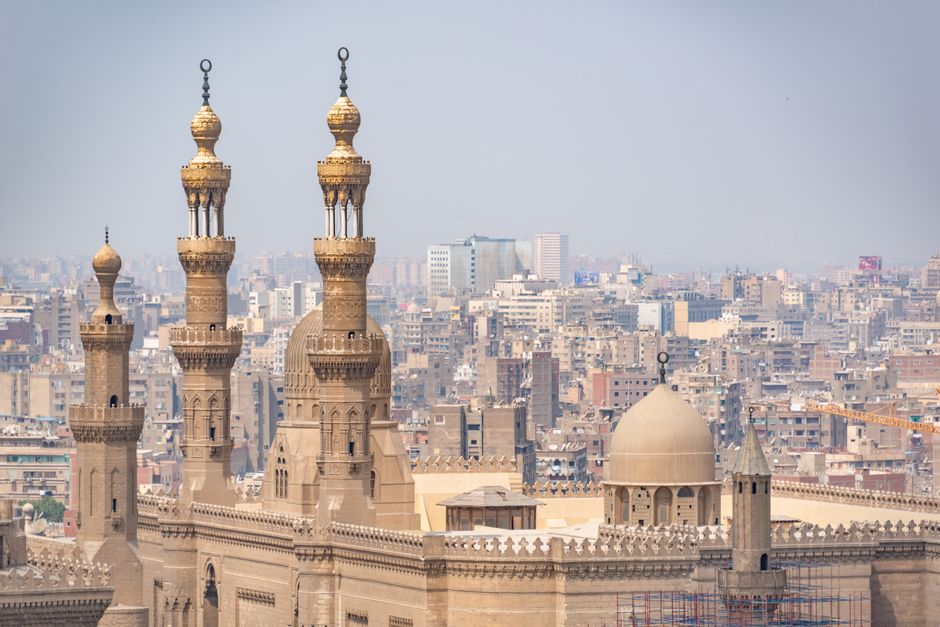
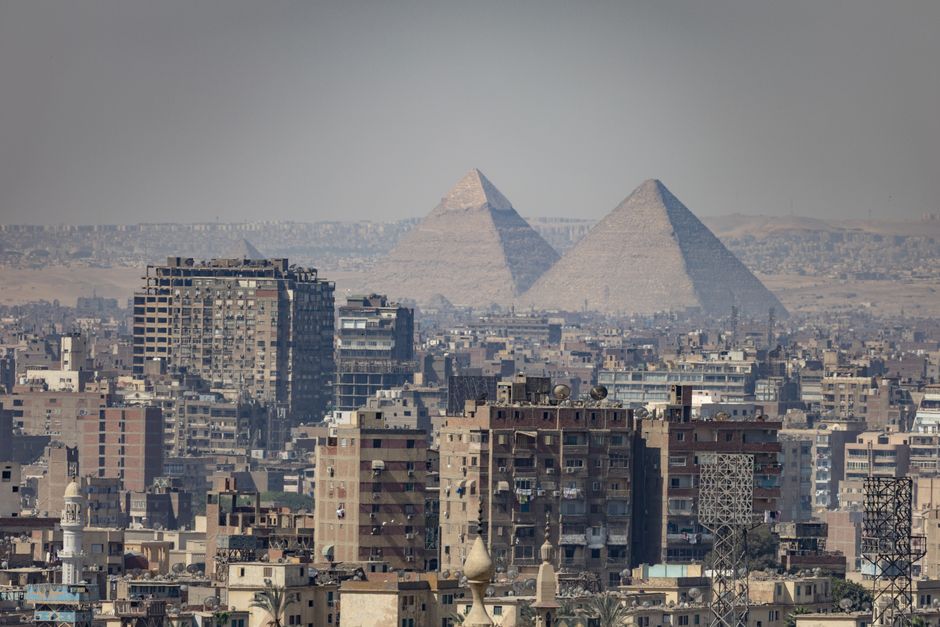
Walk through the streets of Downtown Cairo on a June morning, and the air quality readings tell a story that residents have long felt: pollution levels that spike during rush hour, choking visibility, and respiratory complaints that surge with the summer heat. But a quiet transformation is underway across the city's neighborhoods, one that promises to reshape how Cairenes live, work, and breathe.
The Cairo Governorate's partnership with the Egyptian Environmental Affairs Agency has rolled out solar panel installation programs across middle-income neighborhoods, with residents in areas like Maadi and New Cairo now eligible for subsidized rooftop systems at 40 percent below market rates. For families spending upwards of 800 pounds monthly on electricity bills during peak summer months, the initiative offers genuine financial relief. Early adopters report savings exceeding 300 pounds per month, a significant margin for households already stretched by inflation.
Beyond energy, waste management remains a critical pressure point. The chronic overflow at Jabal al-Ahmar landfill, which serves Greater Cairo's 20 million residents, prompted the launch of community recycling hubs in Garden City, Dokki, and Nasr City. These facilities, operated by Cairo's Zabaleen cooperative networks alongside municipal authorities, have processed over 2,000 tons of recyclable materials since March. Residents participating in sorting programs receive vouchers redeemable at local markets—a model that transforms rubbish into micro-economic opportunity.
Water scarcity remains Cairo's defining environmental challenge. The Nile's diminishing flow, exacerbated by upstream dam projects, means households in outer districts like Sheikh Zayed face irregular supply. New initiatives promoting drip irrigation and greywater recycling systems in community gardens across Ain Shams and Helwan are helping residents reduce consumption by up to 35 percent while producing fresh vegetables. For pensioners and low-income families, this represents both food security and measurable cost reduction.
The impact extends to public health. Air quality monitors installed along Corniche al-Nil and near Ramses Railway Station now feed real-time data to Cairo's health ministry, enabling targeted interventions during pollution peaks. Schools in affected neighborhoods have received guidance on indoor air filtration, while residents receive smartphone alerts warning of hazardous days.
What distinguishes these initiatives from previous top-down approaches is their rootedness in neighborhood realities. Rather than abstract environmental targets, residents see immediate returns: lower bills, cleaner air, food grown locally, jobs in recycling sectors. For Cairo's millions, sustainability is no longer a luxury concern—it's becoming a practical pathway through daily economic and health challenges.
This article was compiled by AI and screened before publishing. See our editorial standards.