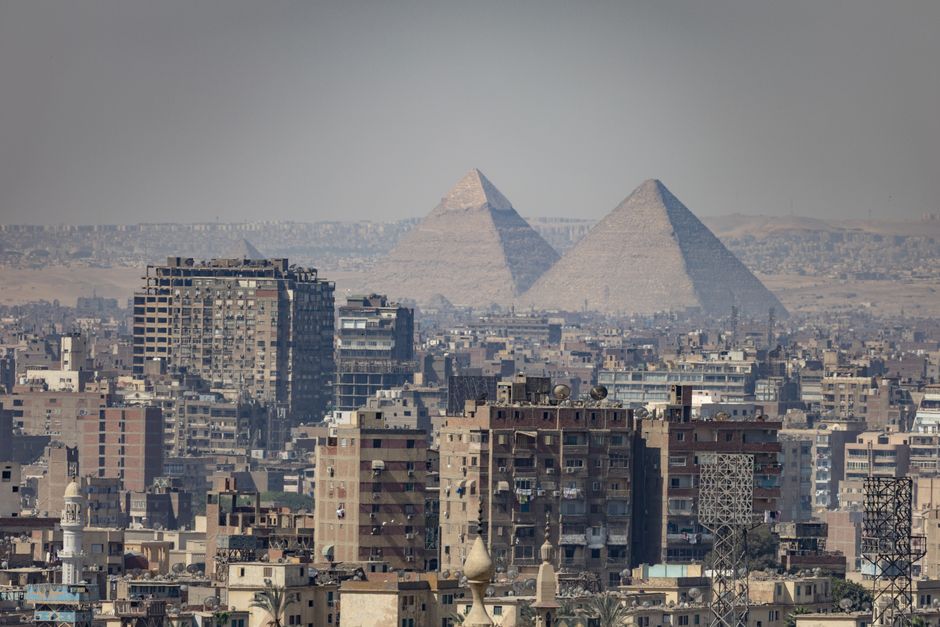
Cairo's housing predicament did not emerge overnight. The city's population swelled from roughly 3 million in 1970 to over 20 million today, a sevenfold increase that left urban planners perpetually chasing demand rather than steering it. This historical backdrop—one of congestion, informal settlements sprawling across the Giza plateau and eastern margins, and middle-class families stretched across mortgages they could barely afford—defines every housing policy decision made in 2026.
The crisis crystallised in the 1990s and 2000s. Informal neighbourhoods like Imbaba and parts of Zawiya al-Hamra housed nearly 2 million people in structures built without permits or proper infrastructure. Meanwhile, formal real estate speculation saw apartment prices in Zamalek and Heliopolis climb beyond reach for ordinary Cairenes, while new satellite cities like New Administrative Capital absorbed investment and aspiration. By 2015, the government acknowledged that roughly 40 per cent of Cairo's population lived in informal housing.
The New Urban Communities Authority, established in 1979, pursued successive master plans with mixed results. New Cairo, begun in the 1990s, promised ordered, car-dependent sprawl with gated compounds and shopping malls—attractive to the wealthy, alienating to working families. Nasr City, older but similarly rigid, reproduced the same pattern. Yet these projects never solved the core problem: how to house millions of ordinary workers, street vendors, and service sector employees who needed to remain near employment in central Cairo.
Policy paralysis compounded the challenge. Rent control laws, frozen since the 1960s, discouraged landlords from maintaining properties or building new ones. Competing bureaucracies—the governorate, the Housing Ministry, the Armed Forces Engineering Authority—pulled in different directions. Attempts to formalise informal areas advanced slowly; upgrading Zawiya al-Hamra, for instance, remains incomplete after decades of planning. Meanwhile, property prices on the east bank near Nasr City and Fifth Settlement climbed beyond reach for families earning less than 10,000 Egyptian pounds monthly.
The current policy framework—whether emphasising mixed-use development near the Nile, incentives for affordable housing in new zones, or enforcement of building codes in historic quarters—exists because previous approaches failed to balance growth with equity. Officials inherited a city where informal housing was not a marginal problem but a structural reality; where commutes stretched two hours from suburb to downtown; where rental markets favoured investors over residents.
Understanding that history is essential to grasping why Cairo's housing decisions today remain contentious, costly, and compromise-laden. The city did not choose its present constraints; it accumulated them.
This article was compiled by AI and screened before publishing. See our editorial standards.