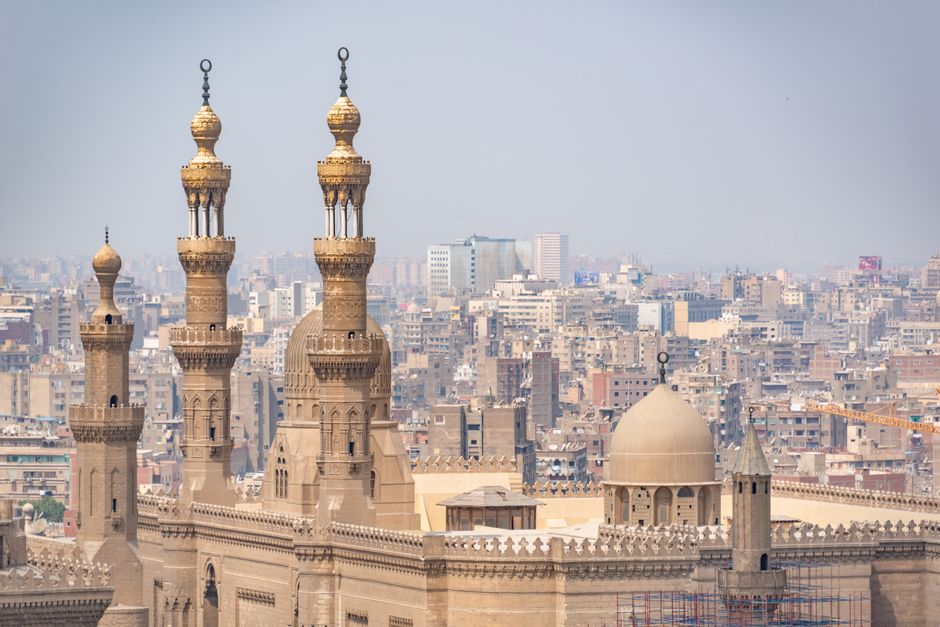
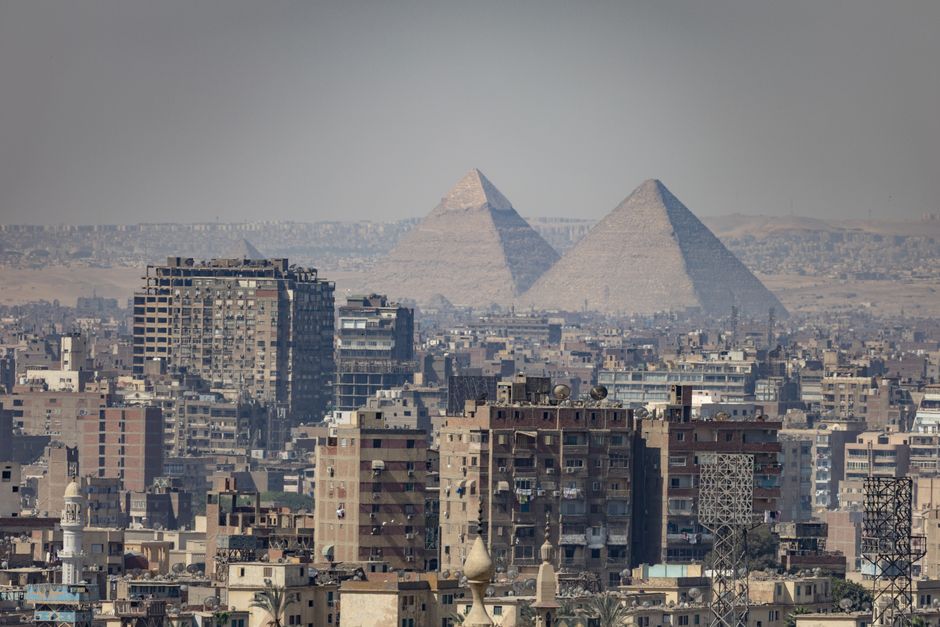
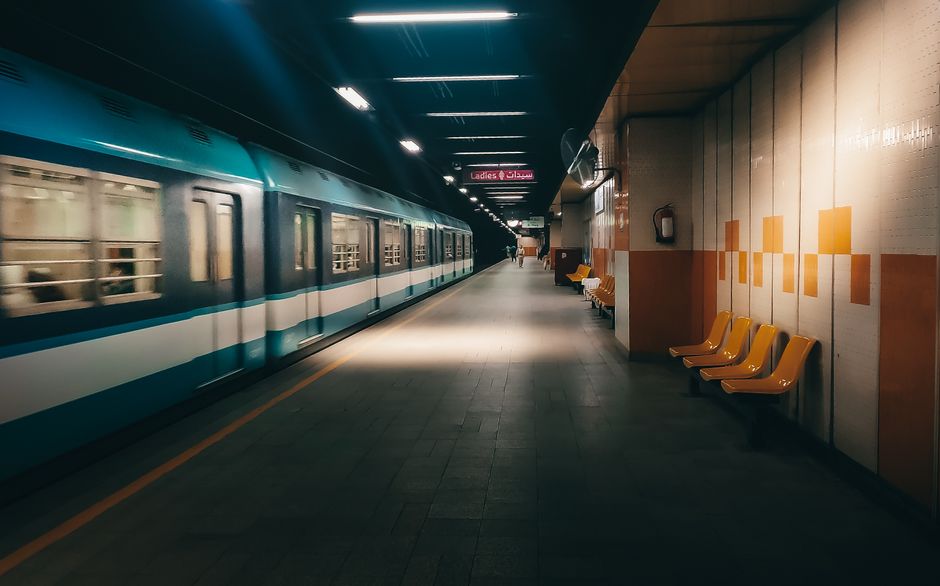
For Fatima Hassan, a nurse working at Al-Sahel Teaching Hospital, the daily commute from her home in Shorouk has become a gruelling three-hour ordeal involving two minibus changes and unpredictable traffic on the Ring Road. Come 2027, she may finally have an alternative—if the latest phase of Cairo's Metro Line 4 extension stays on schedule.
The Egyptian National Authority for Tunnels confirmed last month that the delayed 24-kilometre corridor, designed to connect Shorouk's eastern sprawl to downtown Nasr City via Ain Shams and Heliopolis, is now 68 per cent complete. The project, originally envisioned for 2024 completion, represents one of the most significant infrastructure investments aimed at decongesting the city's northern and eastern quarters.
For the 1.2 million residents across these neighbourhoods, the implications are profound. Current Transport Ministry data shows that commuting times in East Cairo average 87 minutes each way during peak hours—double the city-wide average. The metro extension promises to slash journey times to approximately 35 minutes from Shorouk's terminus to downtown, potentially recovering nearly three hours daily for each commuter.
Yet the construction phase itself has created measurable friction. Small businesses along the Ain Shams corridor report a 40 per cent dip in footfall since tunnel work began in 2023. Residents in surrounding residential areas have endured noise disruptions and street closures that have altered neighbourhood connectivity. The American University in Cairo's Urban Planning Institute documented these impacts in a preliminary study released in April.
Economically, transport planners argue the long-term calculus heavily favours completion. A functional metro link would ease pressure on the already-congested Shams metro line and reduce dependency on private cars, potentially lowering fuel costs for families spending an average of 450 Egyptian pounds monthly on petrol. Real estate analysts predict property values in accessible areas like Nasr City could increase by 15-20 per cent post-opening.
Delays, however, remain a concern. Budget constraints and pandemic-related supply disruptions have already pushed the timeline back twice. The Authority has committed to completing track-laying by December 2026, with testing scheduled through mid-2027.
For communities that have borne the construction burden, completion cannot come soon enough. The metro extension represents more than engineering; it signals whether Cairo can finally deliver the integrated transport system its explosive growth demands—and whether residents will see tangible relief from the congestion that defines daily urban life.
This article was compiled by AI and screened before publishing. See our editorial standards.