As violence erupts in German youth centres and disease spreads across Central Africa, Cairo's emergency services are drawing comparisons to other megacities wrestling with similar public safety crises. With a population exceeding 20 million, Egypt's capital faces mounting pressure to modernise its response systems at a time when global peers are investing substantially in prevention and coordination technology.
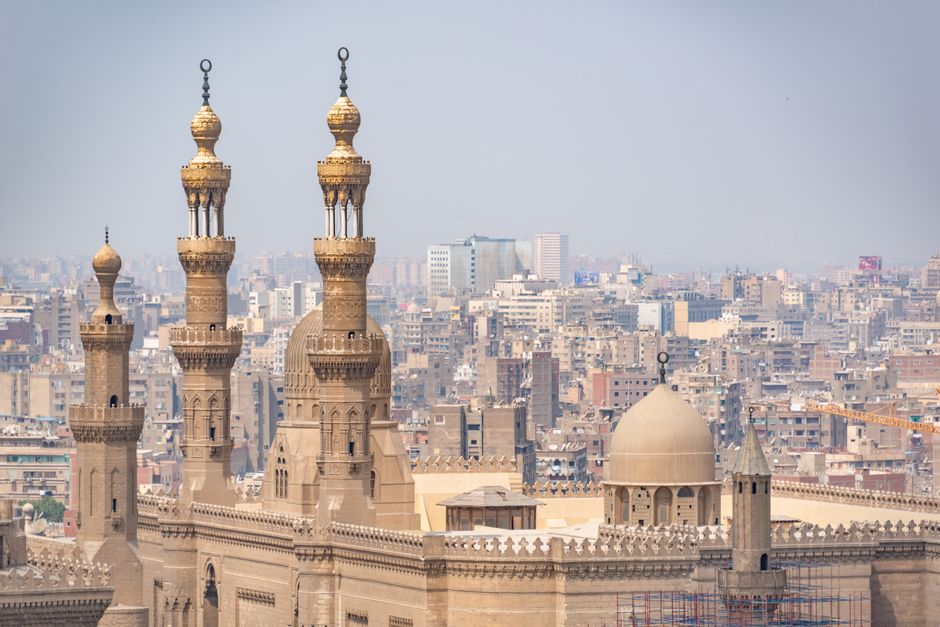
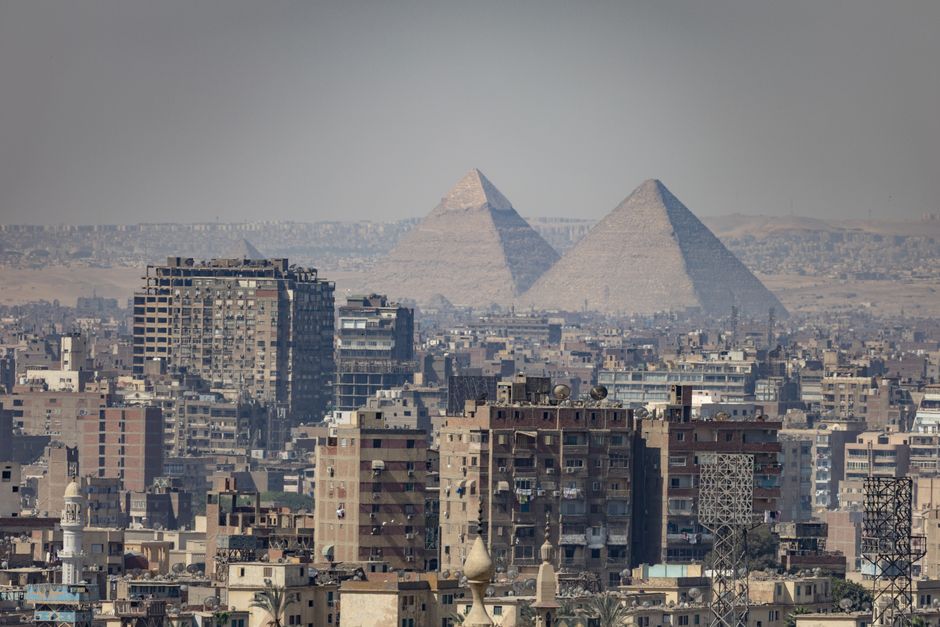
The contrast is striking. Recent incidents in cities like Berlin have prompted Germany to deploy enhanced security protocols at public facilities, while Cairo's emergency infrastructure remains stretched across a sprawling geography that includes dense neighbourhoods like Islamic Cairo and Zamalek, to outlying areas in New Cairo and Heliopolis. The Central Security Forces and Cairo Security Directorate handle roughly 1,500 emergency calls daily, according to local administrative figures, yet technological integration remains inconsistent.
International examples offer instructive lessons. London's Metropolitan Police operate a unified control centre handling over 3,000 daily incidents with real-time data sharing across boroughs. Singapore's Integrated Command and Control Centre, launched in 2020, coordinates police, fire, and ambulance services through a single digital platform. Cairo's emergency services, by contrast, often rely on traditional communication methods, with different agencies maintaining separate dispatch systems.
Cost presents a fundamental barrier. While London and Singapore each invest billions annually in emergency infrastructure, Cairo's security budget—estimated at roughly 2 billion Egyptian pounds for the entire police service—stretches across equipment, personnel, and training for one of the world's most densely populated urban centres. A private security consultation in Cairo costs between 500-2,000 pounds monthly, reflecting demand from businesses and residents seeking supplementary protection.
Yet Cairo demonstrates notable strengths. The establishment of the National Disaster Management Centre in 2016 created a dedicated coordination mechanism absent in many developing megacities. Community policing initiatives in Heliopolis and Nasr City neighbourhoods have reportedly reduced petty crime by establishing direct communication channels between officers and residents—a model several Turkish cities have since adopted.
The question facing Cairo's authorities is whether incremental improvements suffice. As neighbouring regional instability simmers—Pakistani military operations near Afghanistan, Ebola concerns spreading across Central Africa—the capital's ability to respond swiftly to internal crises becomes increasingly crucial. Other megacities invested early in integrated systems; Cairo's delay carries measurable costs in response times, inter-agency coordination, and public confidence.
Officials acknowledge the gap. Conversations about modernising Cairo's emergency infrastructure have intensified in recent months, though implementation timelines remain undefined. Until significant investment materialises, Cairo will continue managing 21st-century crises with systems designed for a smaller, less complex city.
This article was compiled by AI and screened before publishing. See our editorial standards.