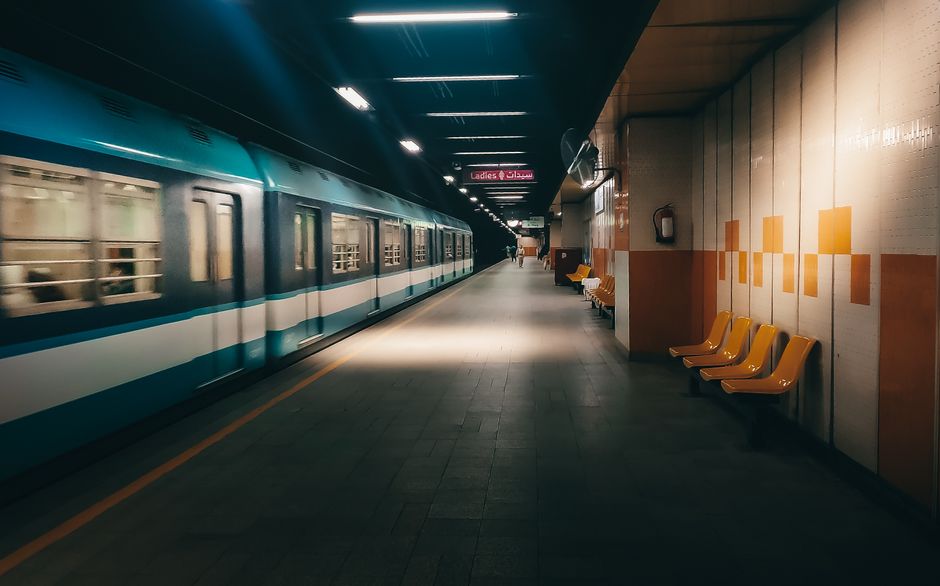
Cairo's transport infrastructure story reads like a city caught between ambition and execution. The Metropolitan Railway, which now spans 78 kilometres across three operational lines, has fundamentally reshaped commuting patterns since the first line opened in 1989. Yet comparing the Egyptian capital's infrastructure trajectory to peers like Istanbul, Jakarta, and São Paulo reveals a narrative of progress shadowed by persistent challenges.
The Metro's expansion remains Cairo's flagship project. Line 4, currently under construction and expected to ease congestion across the eastern suburbs, promises to serve roughly 2 million daily passengers by 2028. Yet completion timelines—originally targeted for 2025—tell a familiar story. Istanbul's Metro, by contrast, has aggressively expanded its network to 230 kilometres, handling 3.5 million daily riders with more predictable scheduling. Jakarta's recent MRT extensions show similar velocity, adding capacity every 18 months rather than years.
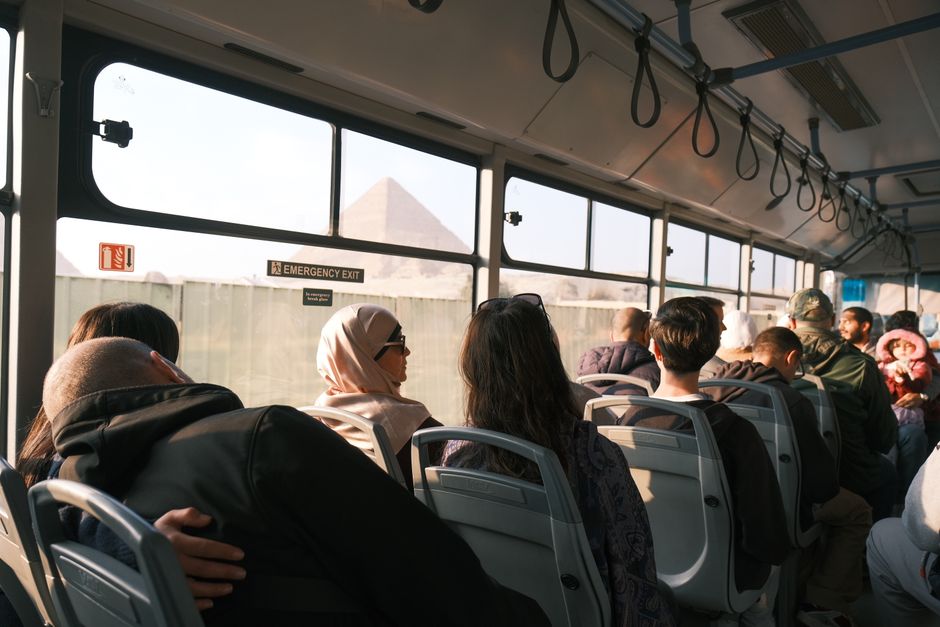
The real divergence emerges in integrated planning. While Cairo's Metro operates as a vital lifeline, its connections to bus rapid transit remain fragmented. The Bus Rapid Transit system, launched along key corridors like the Corniche and Ahmed Orabi Street, has struggled with operational consistency. Compare this to Bogotá's TransMilenio or Istanbul's seamlessly coordinated metro-tram-bus ecosystems, and the weakness becomes apparent: last-mile connectivity remains a bottleneck.
Road infrastructure tells another story. The Suez Canal Economic Zone mega-project and the New Administrative Capital—located 45 kilometres east of downtown Cairo—required entirely new highway networks. The investments have been staggering: the Egyptian government allocated $61 billion for transport infrastructure across the New Capital's first phase. Yet per-capita investment in urban public transport actually lags behind comparable emerging economies. São Paulo spends roughly $180 per capita annually on metro development; Cairo averages closer to $35.
Toll roads proliferate around the metropolitan area—the Ring Road extensions now charge between 3 and 10 Egyptian pounds depending on vehicle type. This model mirrors global trends toward public-private partnerships, though affordability questions persist. A daily Metro ticket costs 1 pound; the toll roads effectively price lower-income commuters onto crowded buses.
What distinguishes Cairo is the sheer scale of informal transport. Microbuses operating on fixed but unmarked routes—a system unthinkable in most global megacities—still move an estimated 70 percent of daily commuters. As formal systems expand, the question isn't whether Cairo can match Singapore's efficiency or Istanbul's frequency, but whether it can absorb its informal transport ecosystem into planned networks without displacing the workers who depend on it.
The city's infrastructure revolution is real. Whether it reaches equitable, sustainable completion remains the harder question.
This article was compiled by AI and screened before publishing. See our editorial standards.