Cairo's New Transport Plan Could Cut Commute Times in Half—Here's What It Means for Your Daily Grind
The governorate's ambitious infrastructure overhaul promises relief for millions of residents, but implementation challenges loom large.
The governorate's ambitious infrastructure overhaul promises relief for millions of residents, but implementation challenges loom large.

Cairo's municipal government has unveiled a sweeping transportation modernisation plan that could fundamentally reshape how millions of residents navigate the city, addressing a crisis that has plagued commuters for decades. The initiative, approved by the Cairo Governorate last week, targets completion by 2029 and promises to reduce average commute times from the current 90 minutes to under 45 minutes across major arteries.
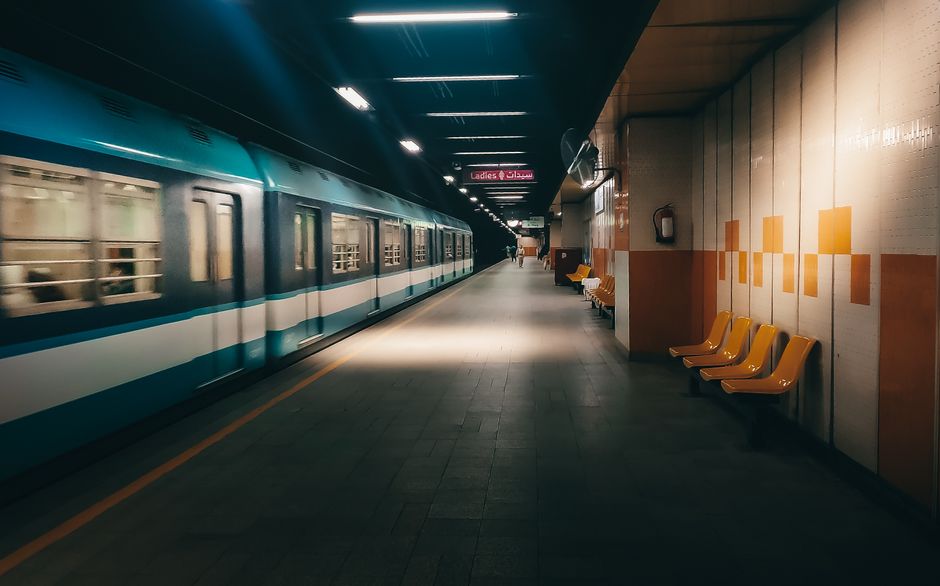
The plan centres on three critical upgrades: expansion of the metro system to Nasr City and New Cairo suburbs, rehabilitation of major roads including the Corniche and 26th of July Street, and establishment of dedicated bus rapid transit lanes through Heliopolis and Maadi. For residents in densely populated neighbourhoods like Sayeda Zeinab and Islamic Cairo, where gridlock regularly stretches morning commutes to two hours, the proposals offer genuine promise.
"This directly affects how families spend their time and money," explains Dr Amira Hassan, urban planning researcher at American University in Cairo. "Every hour saved in traffic is an hour gained for work, education, or family life. For someone earning 300 Egyptian pounds daily as a taxi driver, losing two hours to congestion represents lost income."
The costs are substantial. The governorate estimates the full programme requires 47 billion Egyptian pounds—approximately 1.5 billion US dollars. Funding remains partially secured through World Bank backing, though domestic budget allocation remains contentious in municipal council debates. Residents worry about construction disruptions; parts of Zamalek and Garden City face 18-month road works.
Community advocates in working-class neighbourhoods like Imbaba raise additional concerns. While metro expansion serves wealthier eastern suburbs extensively, western Cairo—home to over 2 million residents—receives fewer new transit nodes. Local civil society organisations have formally requested revised planning meetings to address these disparities.
The governorate has promised monthly progress reports and a dedicated complaints hotline (19070) for residents experiencing construction impacts. Early pilot projects on smaller streets like Ahmed Orabi Street in Mohandessin begin July, providing initial indicators of project feasibility and community response.
Success ultimately depends on sustained political commitment and budget stability—historically challenging in Egyptian municipal administration. Yet the stakes are clear: a functional transport system underpins Cairo's economic productivity and residents' quality of life. For millions spending hours daily in traffic, the promises being made now will determine whether their commutes become manageable journeys or remain the exhausting ordeals they currently are.
This article was compiled by AI and screened before publishing. See our editorial standards.
How does this story make you feel?
Spread the word
About this article
Published by The Daily Cairo
Daily brief
Free, in your inbox before 7am. Weekdays.
More in News