Cairo's housing crisis has become impossible to ignore. With an estimated 2.3 million informal housing units across neighbourhoods like Manshiyet Naser and sprawling developments beyond the Ring Road, the capital faces a demographic pressure few global cities experience. Yet when compared to peer cities managing similar growth, Cairo's approach to housing policy and urban planning reveals a markedly different—and arguably less flexible—strategy.
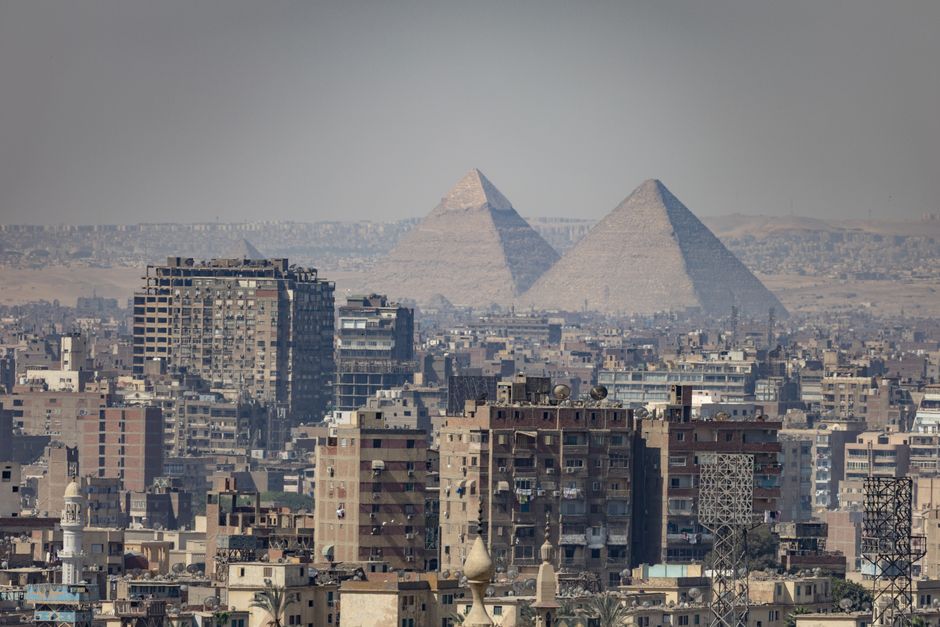
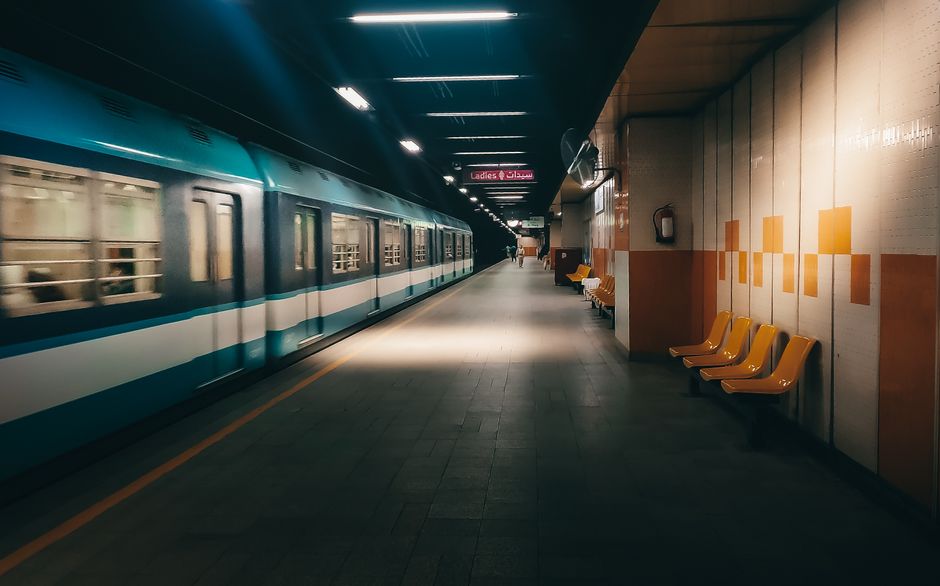
Consider Singapore and Dubai, cities that have modernised rapidly while maintaining strict planning controls. Both invested heavily in vertical development and public transport infrastructure, keeping housing within sustainable boundaries. Cairo, by contrast, continues to expand horizontally across the desert fringes. New Administrative Capital projects notwithstanding, the core metropolitan area sprawls across nearly 2,000 square kilometres, with limited integrated public transit connecting neighbourhoods like Heliopolis to emerging settlements east of the Cairo-Suez Road.
The numbers tell a sobering story. Average rental prices in central Cairo neighbourhoods have risen 40-60 per cent over the past five years, while wages have stagnated. A one-bedroom flat in Zamalek or Garden City now commands £E 15,000-25,000 monthly—prices that would strain middle-class earners. Compare this to Barcelona or Lisbon, which have implemented rent-control ordinances and mixed-income zoning policies. Both European cities manage affordability without sacrificing growth.
What distinguishes Cairo's approach is its reliance on large-scale government megaprojects rather than neighbourhood-level, mixed-use development. The New Administrative Capital represents one vision: a planned city from scratch. Yet this diverts resources and expertise from upgrading existing urban cores. Cities like Seoul and Istanbul, facing similar pressures, prioritised retrofitting established districts while building new ones—keeping employment, services, and culture distributed across multiple centres.
Cairo's informal housing sectors—where roughly 40 per cent of residents live—receive sporadic attention in formal planning. Organisations like the Egyptian Architects' Syndicate have called for more integrated approaches, blending informal communities into formal infrastructure rather than marginalising them. Global comparisons suggest this could work: Bogotá's Metrocable and Mumbai's slum-upgrade initiatives show tangible results when executed seriously.
The challenge ahead is structural. Cairo's planning bureaucracy, while extensive, struggles with coordination across governorates. Meanwhile, private developers follow profit signals toward new zones rather than inner-city densification. Until housing policy shifts toward mixed-income density, integrated transit, and formalising informal areas, Cairo risks widening the gap between its urban poor and the privileged enclaves of New Cairo—a trajectory diverging sharply from how peer cities have tackled comparable crises.
This article was compiled by AI and screened before publishing. See our editorial standards.