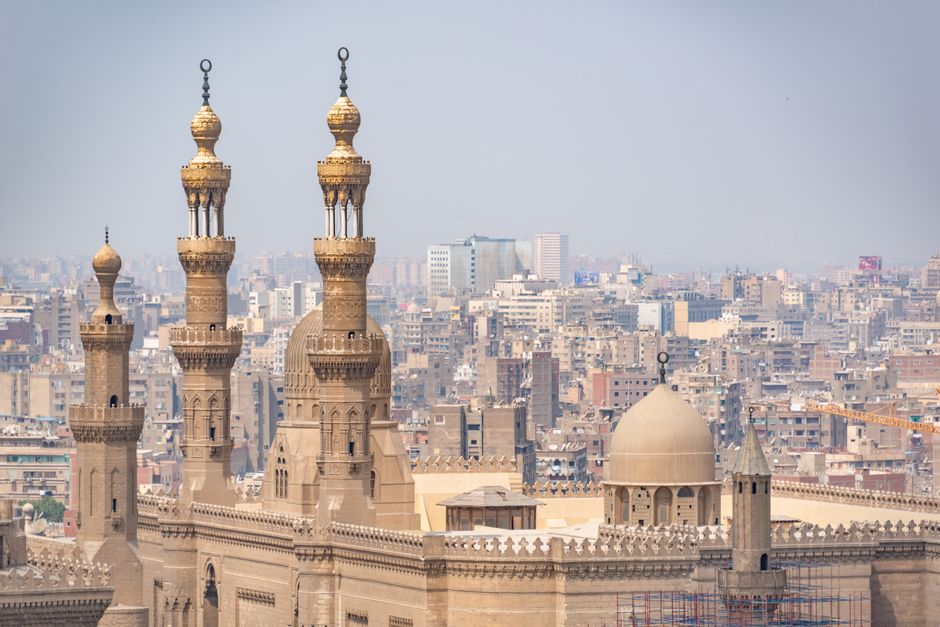
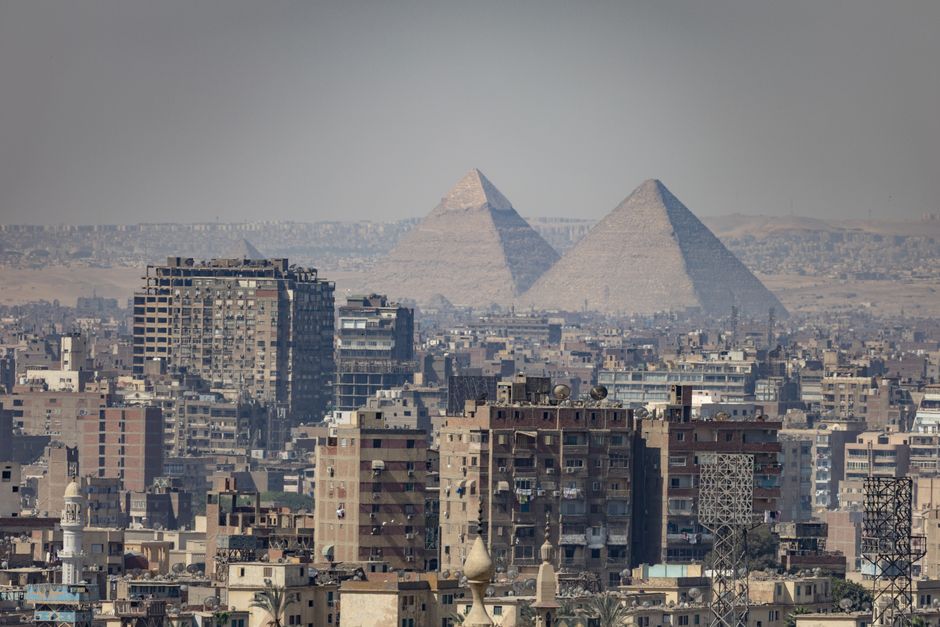
The morning commute from Helwan to downtown Cairo used to take 45 minutes. Today, residents say it regularly stretches to two and a half hours—a reality that has sparked growing resentment among the thousands of workers, students, and families caught in the sprawl of Cairo's infrastructure gridlock.
The New Administrative Capital railway megaproject, meant to decongest the capital and connect the new city to Greater Cairo, has become a lightning rod for community frustration. While the Egyptian National Railways promised completion by 2024, sections of the elevated track remain under construction along the Autostrada corridor, with no official revised completion date announced.
"Nobody tells us anything," says a street vendor who operates near Ain Shams University station, one of several planned stops along the route. "Three years ago, they tore up the roads. Now we have dust, noise, and fewer customers. When will this end?"
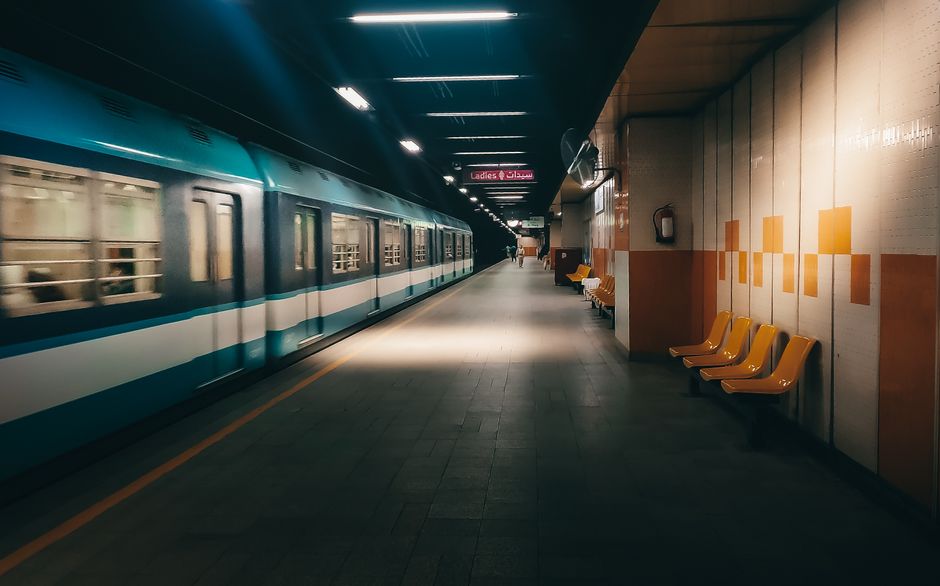
The project's impact ripples far beyond construction zones. Residents of Nasr City and New Cairo report journey times have increased by up to 60 percent, according to informal surveys conducted by neighbourhood councils. The Cairo Metro, already operating at 180 percent capacity during peak hours, absorbs much of the displaced traffic—a system already struggling with aging infrastructure on its three existing lines.
Business owners along Sheikh Zayed Street in Giza and Corniche El Nile have documented declining foot traffic and revenue loss, though official compensation mechanisms remain opaque. "The government said this would transform Cairo. Instead, it's paralysed us," remarks a café proprietor in Zamalek, where construction vibrations have cracked storefronts and disrupted daily life for over 18 months.
The Ministry of Transport has allocated 47 billion Egyptian pounds to the railway project, yet communication with affected communities has been minimal. Local coordination councils in Helwan and 6th of October City report minimal engagement from project officials regarding timeline updates or alternative mobility solutions during construction phases.
Despite promises that the railway will eventually reduce car dependency and cut travel times by half, residents struggling through today's chaos feel abandoned by infrastructure planning processes that prioritise grand visions over immediate community welfare. "We support development," the Ain Shams vendor adds, "but not at the cost of our livelihoods and sanity."
As Cairo's population approaches 21 million, the stakes for transport infrastructure have never been higher—and neither has community demand for transparency and accountability.
This article was compiled by AI and screened before publishing. See our editorial standards.