How Cairo's Transport Crisis Led Us to Today's Mega-Projects
Decades of gridlock and underinvestment forced Egypt's capital into an overdue infrastructure reckoning.
Decades of gridlock and underinvestment forced Egypt's capital into an overdue infrastructure reckoning.
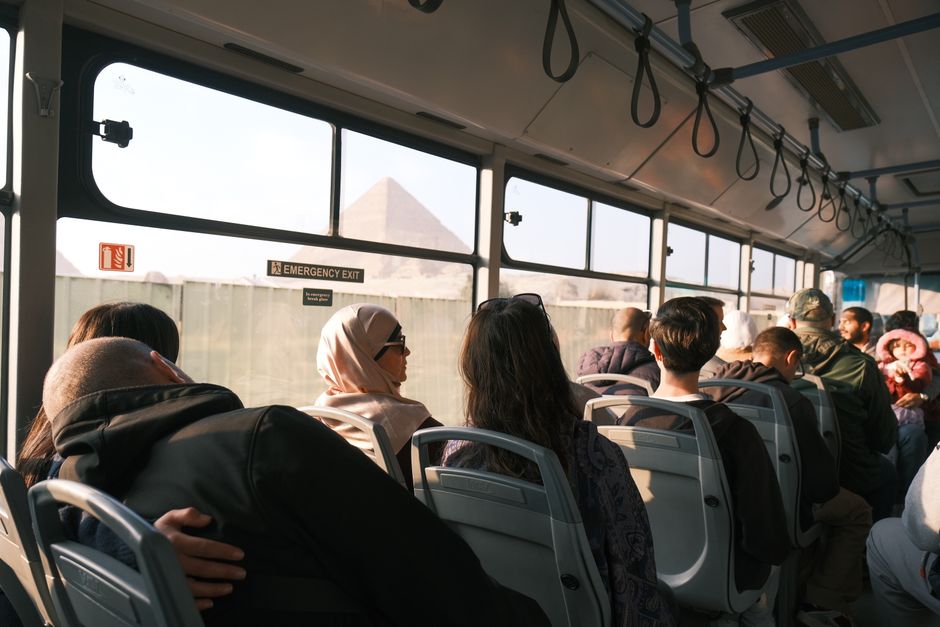
For anyone who has spent an hour crawling through traffic on the Ring Road or squeezed onto a packed minibus along Talaat Harb Street, the question has been inevitable: how did Cairo reach this point? The answer lies in a concatenation of delays, deferred decisions, and demographic pressures that transformed the city's transport system from merely congested into genuinely dysfunctional.
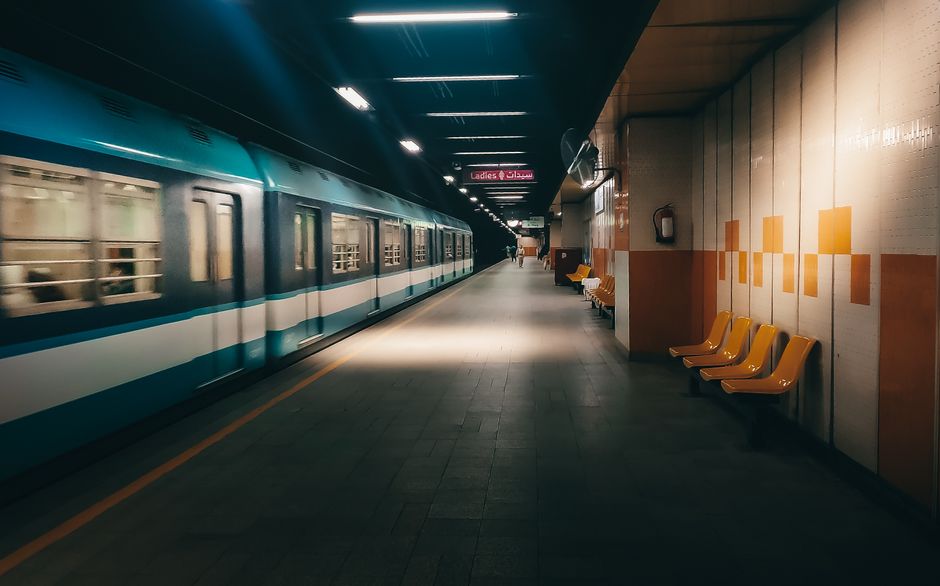
Through the 1990s and 2000s, Cairo's population swelled from around 10 million to nearly 20 million today. Yet the metro system—which opened in 1987 and remains the city's backbone—expanded only incrementally. The Third Line, which now stretches toward New Cairo, took nearly two decades to complete. Meanwhile, private vehicle ownership exploded. By 2015, more than 4 million cars clogged streets designed for a fraction of that volume. Rush hour on the Sixth of October Bridge became synonymous with gridlock lasting hours.
The economic toll was staggering. Estimates suggested Cairenes lost roughly 1.8 million hours daily to traffic delays, with productivity losses reaching billions annually. Smog from vehicle emissions blanketed the city, particularly in working-class areas like Shubra and Ain Shams. Bus services, deteriorating since the 1980s, became unreliable, forcing residents into private cars or expensive taxis.
Successive governments acknowledged the crisis without matching resources. The 2011 revolution and subsequent instability consumed political capital. Tourism collapse dimmed revenue streams. By the early 2020s, however, Cairo's strangulation had become untenable. Multinational companies cited transport chaos when relocating headquarters. Hospitals reported emergency response delays. The World Bank warned that inadequate infrastructure threatened broader economic competitiveness.
This context explains today's accelerated push: the expansion of metro lines toward Sheikh Zayed City, the Bus Rapid Transit corridors being constructed along major arteries, and the controversial elevated highways cutting through older neighbourhoods. Decision-makers faced an arithmetic reality—deferred infrastructure meant cascading consequences.
The projects themselves remain contested. Communities in Islamic Cairo protested elevated roads they feared would damage heritage sites. Working-class residents questioned whether metro expansions served their neighbourhoods or primarily benefited New Cairo commuters. Yet the momentum reflects a broader reckoning: ignoring Cairo's transport needs had become far more costly than confronting them directly.
Understanding where we are requires understanding where we've been—three decades of underinvestment, explosive growth, and deferred choices finally colliding.
This article was compiled by AI and screened before publishing. See our editorial standards.
How does this story make you feel?
Spread the word
About this article
Published by The Daily Cairo
Daily brief
Free, in your inbox before 7am. Weekdays.
More in News