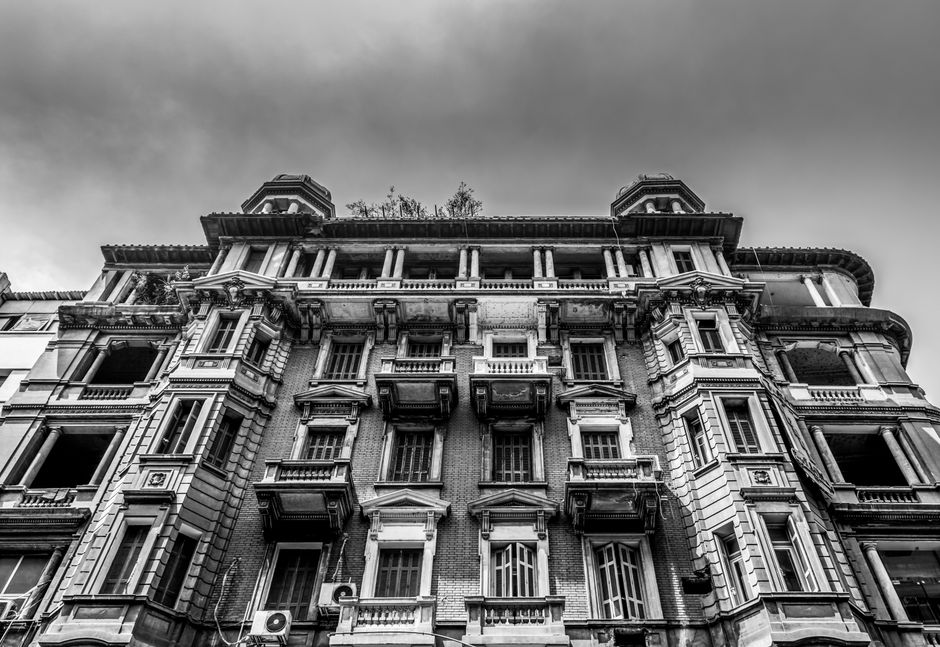
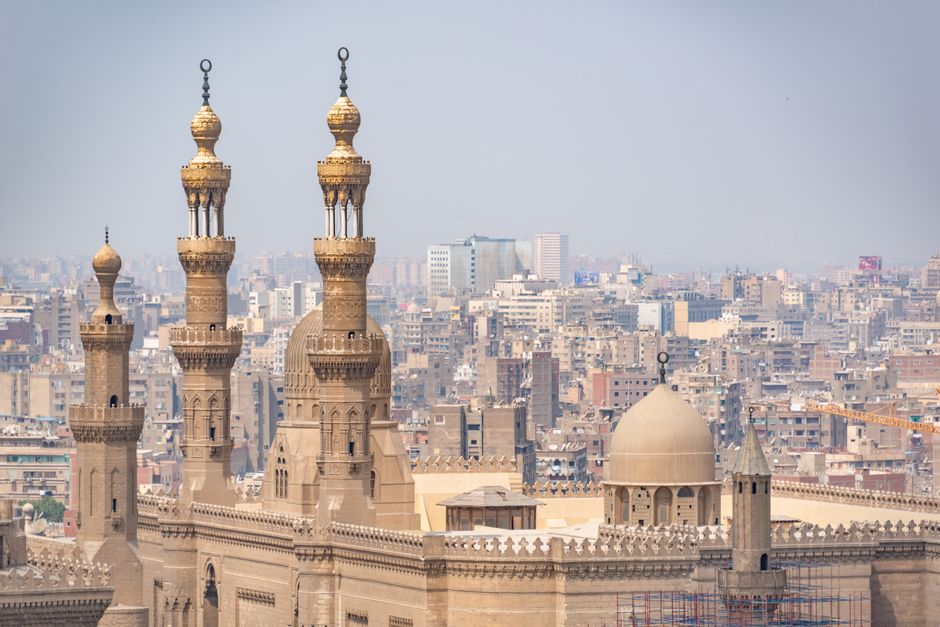
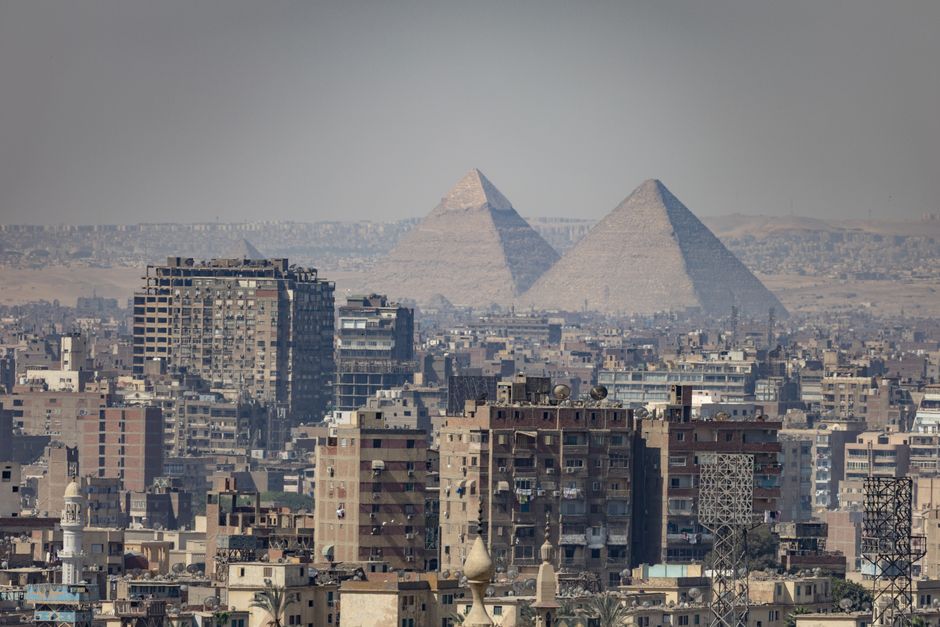
On a sweltering afternoon in Zamalek, a small gathering of residents outside the Gezira Club cultural centre reflected growing anxiety over Cairo's aggressive housing expansion strategy. The governorate's latest urban planning initiative, announced in May, targets mixed-income developments across thirteen neighbourhoods, including established areas like Garden City, Maadi, and Heliopolis. For many long-term residents, the blueprint raises uncomfortable questions about who Cairo's new housing is actually for.
"My family has rented the same flat in Garden City for thirty years," said one property manager interviewed at a local café near Tahrir Square, requesting anonymity due to workplace sensitivities. "Now we're hearing about redevelopment zones. Where do people like us go?" This anxiety echoes across multiple districts. According to housing advocacy group Abaad for Housing and Development, approximately 240,000 Cairenes could face displacement pressure if current zoning modifications proceed without adequate relocation frameworks.
The affordability gap is stark. New units in planned developments near the Fifth Settlement sell for 4.5 to 6.8 million Egyptian pounds—far exceeding median household incomes in central Cairo neighbourhoods. Meanwhile, rent in traditionally affordable areas like Shubra and Bulaq has climbed 35 percent since 2023, pushing middle-income families further toward the city's periphery.
At a community meeting held last month near the American University in Cairo's Tahrir campus, residents from Dokki raised specific concerns about infrastructure strain. "They're building towers without expanding water systems or sewage capacity," noted one structural engineer familiar with municipal planning processes. "It's creating bottlenecks that affect everyone."
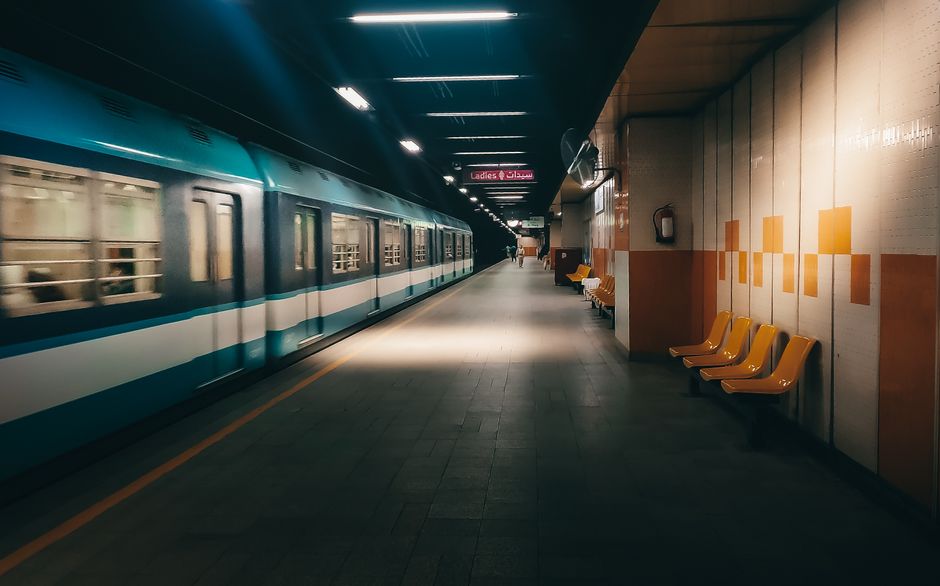
The governorate has emphasised that new developments include 20 percent affordable units and improved metro connectivity. Officials point to completed phases of the New Administrative Capital as proof of execution capability. Yet residents struggle to access transparent information about timeline, relocation benefits, and community consultation processes.
Community organisations like Heliopolis Heritage and Save Cairo's Architecture have called for mandatory environmental and social impact assessments before zoning approvals. "We're not opposed to development," one heritage advocate stated. "We're asking for dialogue, not dictation."
As Cairo's population approaches 21 million, the housing pressure is undeniable. The question facing planners, however, is whether expansion can proceed without erasing the social fabric that makes neighbourhoods liveable. Residents deserve answers—not just construction timelines.
This article was compiled by AI and screened before publishing. See our editorial standards.