Cairo's Housing Crisis: How Egypt's Capital Stacks Up Against Global Peers
As informal settlements expand across the Nile Delta, urban planners are studying lessons from Istanbul, Lagos and Mumbai to reshape the city's future.
As informal settlements expand across the Nile Delta, urban planners are studying lessons from Istanbul, Lagos and Mumbai to reshape the city's future.
Cairo's housing shortage has become impossible to ignore. With a metropolitan population exceeding 20 million, the city faces an acute deficit of affordable units—a problem that has prompted local officials to examine how peer megacities are addressing similar pressures.
The numbers are sobering. According to data from the Egyptian Housing Ministry, Cairo requires approximately 600,000 new housing units over the next five years to meet current demand, yet construction rarely exceeds 100,000 units annually. This gap has fuelled explosive growth in informal settlements like Manshiyat Naser and parts of eastern Giza, where roughly 40 percent of the capital's residents now live in substandard housing.
International comparisons reveal Cairo's distinctive challenges. Istanbul has tackled urban density through coordinated public-private partnerships in areas like Basaksehir, where mixed-income developments have successfully integrated low-income families into planned neighbourhoods. Lagos deployed similar models in Lekki, though critics argue that approach remains inaccessible to the city's poorest residents. Mumbai's approach—permitting higher density zoning near transit corridors—has been studied by Cairo's Urban Development Authority, particularly as expansion along the new Administrative Capital corridor accelerates.
Cairo's own New Administrative Capital project, launched east of the city in 2015, represents a bold but controversial gambit. While it aims to decentralise pressure from the historic metropolis, critics note it diverts resources and investment away from upgrading existing neighbourhoods like Dokki, Helwan and Zamalek, where ageing infrastructure and rising property costs squeeze middle-class families.
Recent initiatives show modest promise. The government's mortgage subsidy programme has expanded access for lower-income buyers, though monthly payments of 2,500-4,000 EGP remain steep for families earning less than 4,000 EGP monthly. Meanwhile, several NGOs—including the Asfour Centre for Housing Rights—are piloting cooperative housing models in Ain Shams and Heliopolis, inspired by successful programmes in Turkey and Vietnam.
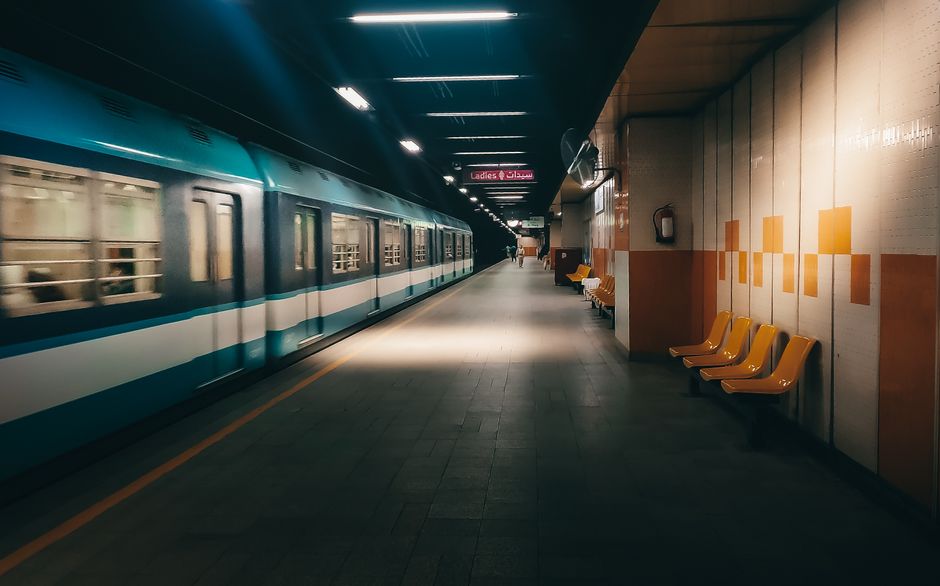
Land scarcity and regulatory gridlock remain persistent obstacles. Unlike Singapore's streamlined zoning reforms or Bogotá's aggressive vertical densification, Cairo's Byzantine permitting process discourages developers from pursuing mid-rise projects in underutilised zones near the metro lines.
As Cairo enters mid-2026, the window for comprehensive reform narrows. Planners acknowledge that without rapid policy shifts—clearer zoning codes, investment in mass transit, and serious upgrading of informal settlements—the housing crisis will deepen. The question is whether Egyptian officials can muster the political will to implement the harder lessons from global peers, or whether Cairo will continue charting its own, costlier path.
This article was compiled by AI and screened before publishing. See our editorial standards.
How does this story make you feel?
Spread the word
About this article
Published by The Daily Cairo
Daily brief
Free, in your inbox before 7am. Weekdays.
More in News