Behind the Statistics: What Cairo Residents Really Think About Crime and Police Response
As reported incidents in downtown neighbourhoods rise, residents of Garden City and Zamalek share their daily anxieties and calls for reform.
As reported incidents in downtown neighbourhoods rise, residents of Garden City and Zamalek share their daily anxieties and calls for reform.
Walk along Mohamed Mahmoud Street on any given evening, and the concerns are palpable. Street vendors pack up by 7 p.m., shop owners reinforce their shutters, and residents describe an invisible curfew that descends as darkness falls. Yet official crime statistics, released quarterly by the Cairo Governorate's Public Safety Directorate, tell only part of the story.
Over the past eighteen months, documented incidents of vehicle theft, mobile phone snatching, and break-ins in central Cairo neighbourhoods have increased by approximately 23 per cent, according to internal security reports. But community leaders in Garden City, Dokki, and Zamalek argue the real figure is far higher, pointing to widespread under-reporting and the erosion of public trust in emergency services.
The frustrations are rooted in real experiences. Residents describe response times to emergency calls that can stretch beyond two hours during peak times. The Central Cairo Police Station on Qasr Al-Nil Street, which covers a population exceeding 400,000 residents across multiple neighbourhoods, operates with staffing levels that community advocates say are insufficient for the area's needs.
Local shopkeeper associations have begun conducting their own security patrols, a symptom of lost confidence in institutional protection. The Zamalek Residents' Association launched a WhatsApp network in March 2026 to crowdsource real-time alerts about suspicious activity—a civic initiative born from perceived gaps in formal services.
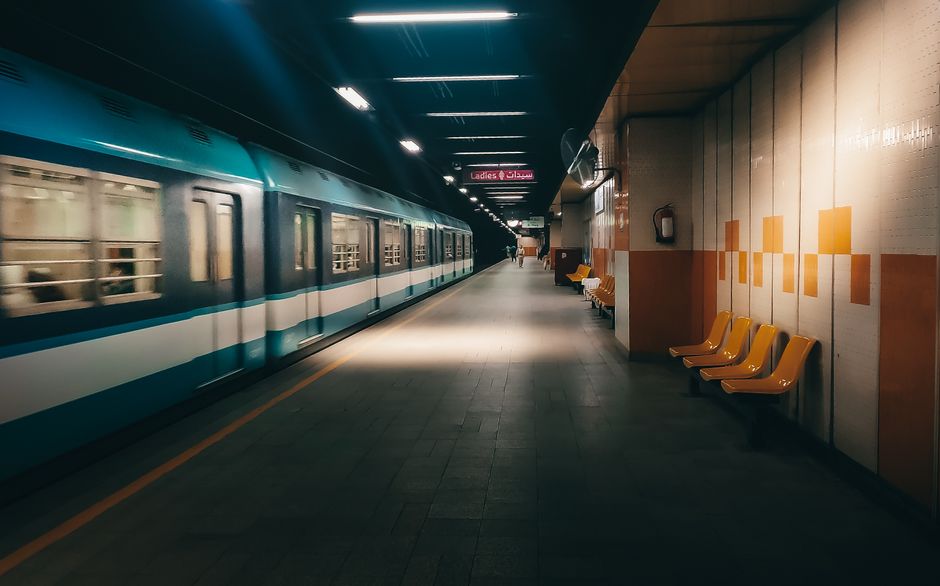
Dr. Amira Hassan, a community health worker based in Dokki, emphasises the psychological toll. "People are changing their behaviour, their routines, their sense of freedom," she noted in a recent community forum at the Gezira Club. "This isn't just about stolen goods. It's about whether residents feel safe walking to the metro or taking a taxi home."
The Cairo Governorate has pledged to deploy additional community policing units and upgrade surveillance infrastructure in high-incident areas by year's end. Yet residents remain cautious about promises without visible implementation.
Voices from affected communities underscore a critical gap: statistics generated by institutions often diverge sharply from the lived experiences of ordinary Cairenes. Whether current initiatives will rebuild fractured trust remains uncertain, but the conversation itself signals a city demanding accountability and transparency from those tasked with its protection.
This article was compiled by AI and screened before publishing. See our editorial standards.
How does this story make you feel?
Spread the word
About this article
Published by The Daily Cairo
Daily brief
Free, in your inbox before 7am. Weekdays.
More in News