For three years, Amira Hassan has watched construction equipment sit idle along the corridor connecting Helwan to the eastern suburbs—the promised extension of Cairo's Ring Road Metro line that was supposed to transform her daily commute. The 2.4 billion Egyptian pound project, initially scheduled for completion in 2024, now has no confirmed timeline, leaving residents in neighbourhoods like Maadi, Heliopolis, and New Cairo in a state of uncertainty.
"They told us two years ago the work would be finished," says Hassan, a schoolteacher who spends nearly four hours daily navigating congested roads to reach Nasr City. "Now we hear nothing. Meanwhile, they're building everything in the new capital."
Her sentiment reflects a broader frustration across affected communities. The Ring Road Metro extension—designed to serve approximately 2 million daily commuters and reduce traffic pressure on the already-congested Corniche El Nil corridor—represents Cairo's most ambitious recent transport infrastructure initiative. Yet delays, funding constraints, and competing priorities have left residents questioning whether the project will ever materialise.
Ahmed Mansour, who runs a small logistics business in Nasr City, estimates the delays cost him 15 percent annually in operational efficiency. "Clients in the new administrative areas now prefer contractors based there," he explains. "Why hire someone in Cairo if traffic means they'll arrive hours late?"
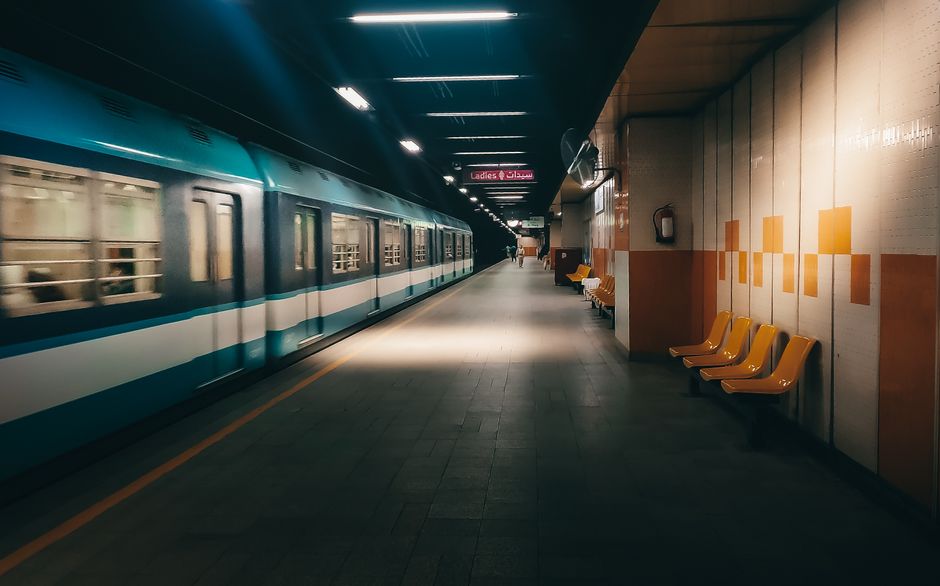
The project's stalling comes as Cairo authorities simultaneously prioritise the New Administrative Capital, investing heavily in the planned monorail and bus rapid transit systems there—a decision some view as symptomatic of broader neglect affecting central Cairo's ageing infrastructure. The city's existing Metro system, serving 7 million passengers daily, remains stretched beyond capacity on Lines 1 and 2, particularly during peak hours.
Community organisations like the Cairo Transport Users Association have begun documenting residents' concerns, citing the environmental cost of continued road congestion alongside economic impacts. A 2025 government study estimated that traffic delays cost Egypt's capital approximately 35 billion pounds annually in lost productivity.
Mohamed El-Sayed, spokesman for the Housing and Urban Development Ministry, acknowledged the delays during a June radio interview but offered no new completion timeline. "We are coordinating with international partners to secure additional funding," he stated.
For residents like Hassan, such assurances ring hollow. The Metro extension remains essential infrastructure for a rapidly growing megacity, yet without concrete progress, Cairo's transport crisis deepens—one commute at a time.
This article was compiled by AI and screened before publishing. See our editorial standards.