Khan El-Khalili Market Cairo: Shopping Guide & Prices
Best times to visit Khan El-Khalili, how to negotiate prices, and budget breakdown for Cairo's iconic bazaar. Insider tips for smarter shopping.
Best times to visit Khan El-Khalili, how to negotiate prices, and budget breakdown for Cairo's iconic bazaar. Insider tips for smarter shopping.
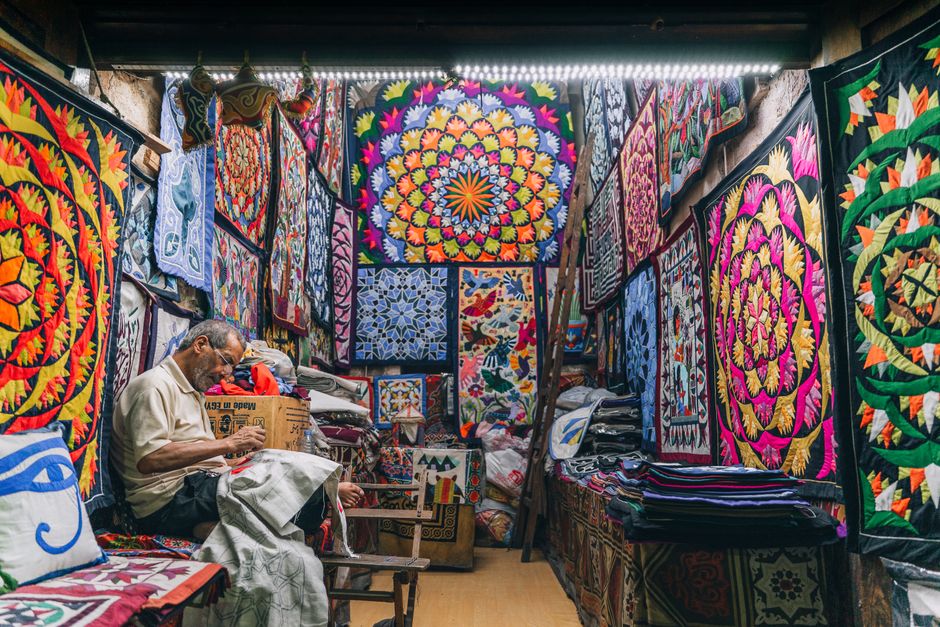
Cairo's markets remain the city's beating heart for savvy shoppers willing to navigate narrow alleyways and haggle with vendors. But before you venture into Khan El-Khalili or explore the newer retail clusters in Heliopolis, understanding the ground realities—timing, budgets, and logistics—can transform your experience from chaotic to genuinely rewarding.
Khan El-Khalili, the medieval bazaar sprawling through Islamic Cairo, attracts roughly 10,000 daily visitors. Expect peak crowds between 10am and 2pm, particularly on weekends. Morning visits, ideally before 9am, offer better negotiating power and easier navigation. Budget accordingly: souvenirs range from 50 Egyptian pounds for basic postcards to several thousand for quality textiles or brass work. The unspoken rule remains unchanged—initial prices are rarely final. Plan for 20-40 percent reductions on non-fixed items, though restaurants and established shops operate at standard rates.
Navigating the maze requires patience. The market's fourteen main alleys connect organically, making GPS unreliable. Hire a local guide through your hotel (typically 150-200 pounds for two hours) or join established tour operators to avoid getting turned around. Pickpocketing occurs, particularly in crowded sections—keep valuables secured and avoid displaying expensive cameras or jewelry.
For contemporary shopping, the Garden City area around Qasr El-Nile Street offers air-conditioned boutiques with fixed pricing. Zamalek's boutique galleries and antique shops cater to higher budgets, with items starting around 500 pounds. Street vendors in Downtown Cairo near Tahrir offer budget-friendly basics—scarves, bags, and local crafts—often 30-50 percent cheaper than tourist-focused zones, though quality varies significantly.
Practical considerations matter. Most vendors accept cash only; ATMs are scattered but not abundant throughout Khan El-khalili. Ramadan transforms market dynamics entirely—afternoon shopping becomes nearly impossible, but evening (post-iftar) thrums with energy. Summer heat peaks at noon, making early morning or late afternoon visits more comfortable.
The Egyptian Crafts Development Association, located near Bab El-Khalq, offers authenticated handmade goods at transparent pricing—ideal for those uncomfortable with haggling. Prices run slightly higher but quality is guaranteed.
Ultimately, Cairo's markets reward patience and preparation. Allocate three to four hours minimum for meaningful exploration. Bring small bills, comfortable shoes, and realistic expectations. The real treasure isn't always the merchandise—it's understanding how Cairo's commercial culture actually operates.
This article was compiled by AI and screened before publishing. See our editorial standards.
How does this story make you feel?
Spread the word
About this article
Published by The Daily Cairo
Daily brief
Free, in your inbox before 7am. Weekdays.
More in lifestyle