Navigate Like a Local: Your Essential Guide to Getting ...
From metro cards to microbus routes, here's how Cairo residents are mastering the city's transport maze and actually enjoying the journey.
From metro cards to microbus routes, here's how Cairo residents are mastering the city's transport maze and actually enjoying the journey.
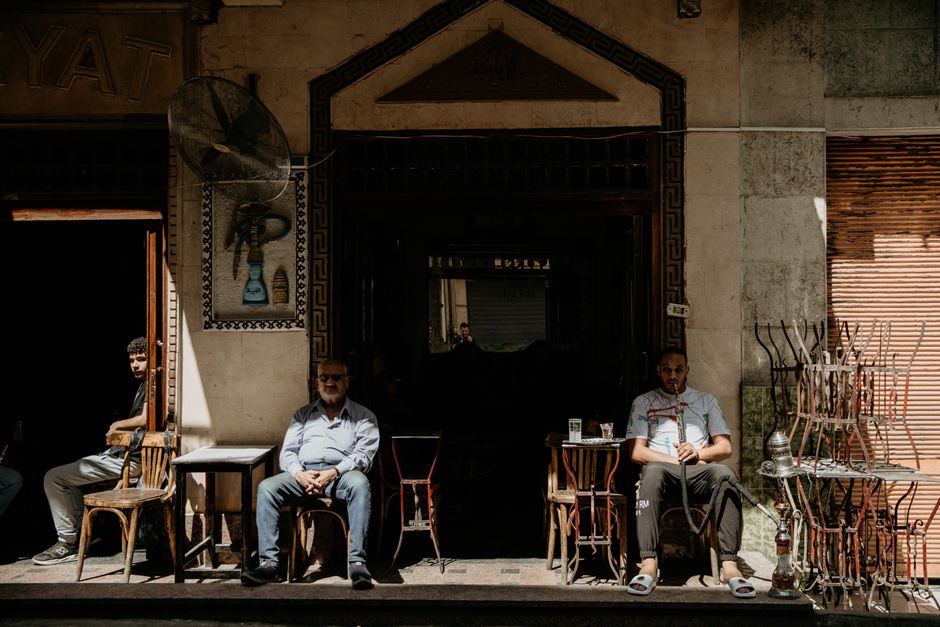
Cairo's transport system can feel like organised chaos to newcomers, but residents who've cracked the code know it's less about memorising every route and more about understanding the rhythm of movement. Whether you're heading from Zamalek to the Citadel or crossing from Heliopolis to Giza, knowing your options transforms daily commutes into manageable—even enjoyable—parts of city life.
The Cairo Metro remains the backbone for speed and affordability. A single journey costs just 2 Egyptian pounds, with monthly passes available for regular commuters. Lines 1, 2, and 3 connect most major neighbourhoods: from Downtown's central hub to Helwan in the south and Ain Shams in the north. Peak hours (7-9am and 4-7pm) are predictably hectic, so experienced residents often shift their schedules slightly or explore quieter platforms at lesser-known stations.
For journeys beyond the metro's reach, microbus networks crisscross the city in ways no official map fully captures. Routes like the Tahrir-to-Giza corridor and the Ramses-to-Nasr City runs are lifelines for thousands daily. Fares range from 2-5 pounds depending on distance. The unwritten rule? Ask fellow passengers where to get off—locals are generally helpful, and this approach builds navigation confidence quickly.
Taxis—both white and ride-hailing apps—remain popular despite rising fuel costs. A metered white taxi from Downtown to Sheikh Zayed City typically costs 40-60 pounds, while apps like Uber and Careem offer predictability at premium rates. Many residents now mix transport modes: metro to a central point, then a short taxi hop to their destination.
For those exploring leisure destinations, Nile-side neighbourhoods like Maadi and Garden City are increasingly accessible via electric buses launched by the government in recent years. The Cairo Governorate has expanded bus routes significantly, making crosstown journeys less dependent on private transport.
Walking remains underrated. Neighbourhoods like Islamic Cairo, Zamalek's quieter streets, and stretches of Zamalek Island offer rewarding explorations on foot, especially during cooler morning hours. The newly renovated waterfront around the Nile Corniche provides pedestrian-friendly routes for evening leisure.
The key to comfortable commuting? Download a metro app for line maps, keep small bills for microbuses and taxis, and remember that Cairo's transport culture rewards flexibility. Talk to neighbours about their routes, observe peak-hour patterns, and don't hesitate to ask for directions. Within weeks, navigating the city feels less like decoding a puzzle and more like following an intuitive rhythm you've helped create.
This article was compiled by AI and screened before publishing. See our editorial standards.
How does this story make you feel?
Spread the word
About this article
Published by The Daily Cairo
Daily brief
Free, in your inbox before 7am. Weekdays.
More in lifestyle