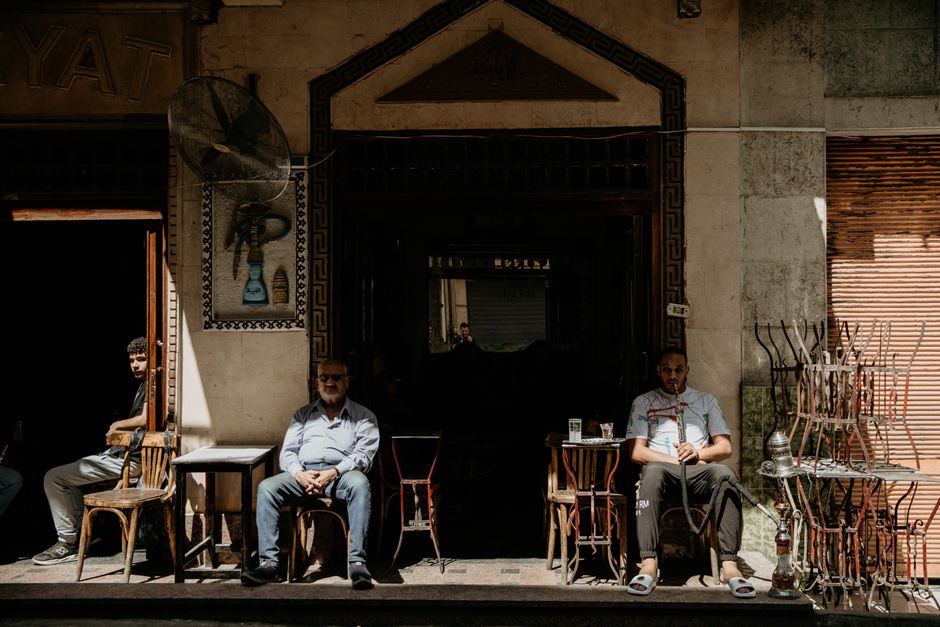
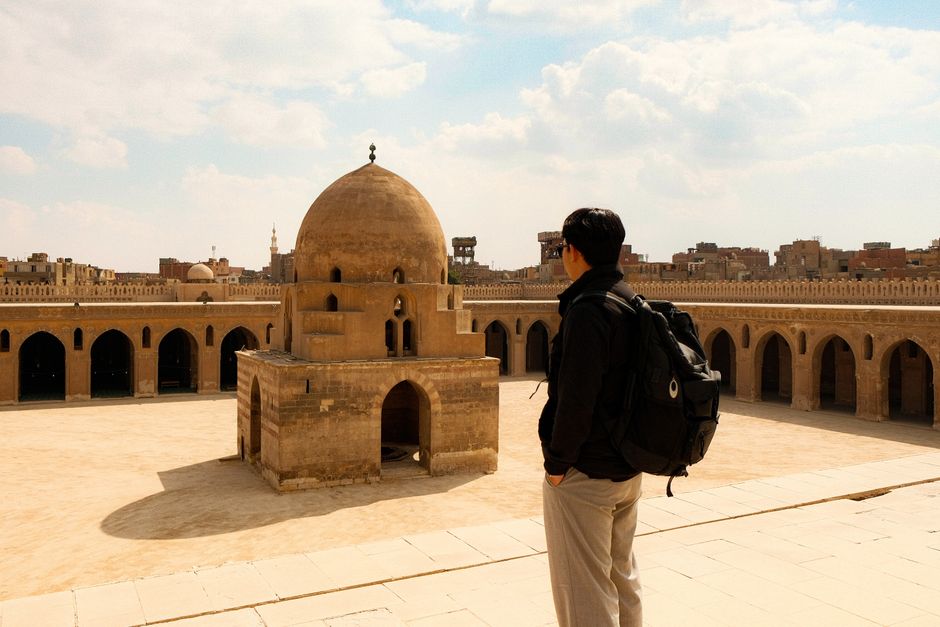
Cairo's expat communities have long clustered in predictable pockets—Downtown's vintage charm, New Cairo's modern compounds. But savvy relocators increasingly seek neighbourhoods with genuine soul, where daily rhythms reveal the city's real character rather than curated versions for international arrivals.
Zamalek remains the gold standard for established expats, and justifiably so. This island neighbourhood—accessible via bridges spanning the Nile—offers tree-lined Sharia 26th of July where villas command €2,500–€4,000 monthly rent. The community here is genuinely multinational: embassies cluster around El Sawy Cultural Wheel, while independent bookshops and art galleries punctuate residential streets. The weekly organic farmers' market near the Zamalek Club draws locals and newcomers alike, functioning as genuine social glue rather than staged tourism.
Garden City attracts those seeking diplomatic proximity with neighbourhood authenticity. Sharia Kasr El-Nil's Belle Époque architecture creates an almost European atmosphere, yet the streets bustle with local energy—street vendors, small cafés where Egyptian professionals meet for morning coffee, children playing football in pocket parks. Rents here average €2,000–€3,500 for two-bedroom apartments, though scarcity drives premium prices for period properties.
Increasingly, younger expats discover Heliopolis, Cairo's art-deco jewel 15 kilometres northeast. Baron Empain's vision created a planned community that survived decades with remarkable character intact. Sharia Ibrahim Pasha remains architecturally stunning, while the neighbourhood supports genuine independent businesses—vintage furniture shops, small galleries, family-run restaurants where staff know regulars by name. Rental prices here (€800–€1,500 for two-bedroom apartments) attract those seeking authenticity without premium pricing.
The expat adjustment curve invariably involves discovering informal networks: which bakeries produce proper sourdough, where to find reliable household help, which doctors actually speak English fluently. Zamalek's British Club, Garden City's American Chamber of Commerce, and neighbourhood-specific Facebook groups function as essential infrastructure during those crucial first months.
Smart relocators spend weeks renting short-term apartments across different neighbourhoods before committing. This reveals what location data cannot: traffic patterns that make seemingly central addresses nightmarish commutes, Friday evening soundscapes, whether neighbours acknowledge each other or remain isolated behind compound walls.
Cairo rewards explorers. Those willing to venture beyond predetermined expat zones discover neighbourhoods where international residents integrate genuinely into local life—not as outsiders observing, but as community members whose presence feels organic. That distinction defines the difference between merely relocating and actually belonging.
This article was compiled by AI and screened before publishing. See our editorial standards.