Finding Your Tribe in Cairo: An Inside Look at Neighbourhood Character and Community Vibe
New expats discover that choosing where to live in Cairo means choosing your community—and each neighbourhood tells a distinctly different story.
New expats discover that choosing where to live in Cairo means choosing your community—and each neighbourhood tells a distinctly different story.
Relocating to Cairo demands more than just securing an apartment; it requires understanding the intricate social ecosystems that define each neighbourhood. The city's expat communities have evolved into distinct cultural pockets, each with its own rhythm, language blend, and sense of belonging.
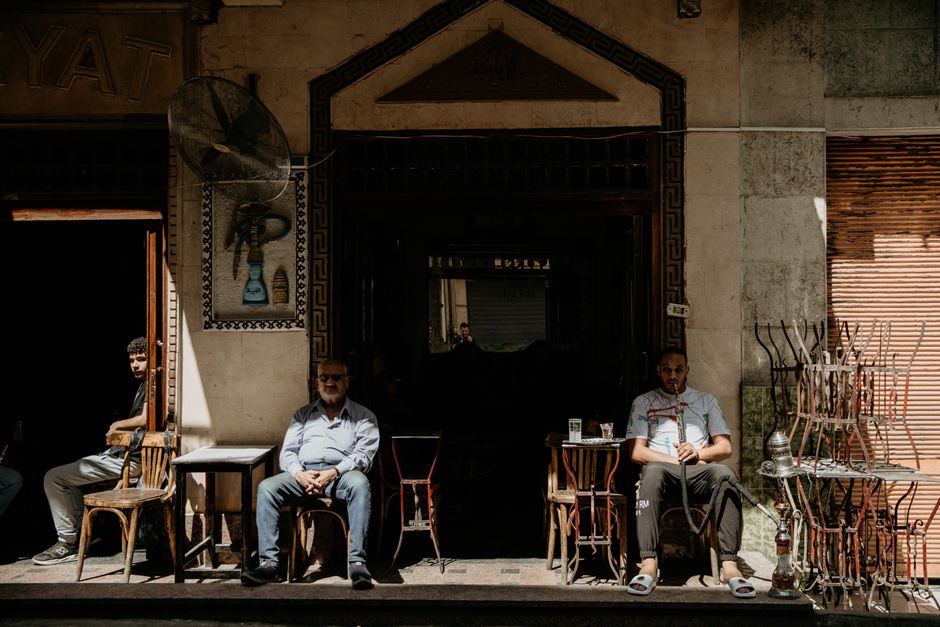
Zamalek remains the traditional expatriate heartland, where tree-lined streets and art deco villas create an enclave atmosphere. The neighbourhood clusters around Gezira Island, where the Gezira Club's sporting facilities anchor the social calendar. The Nile-facing cafés along 26th of July Street pulse with familiar faces—a mix of diplomats, creatives, and long-term residents who've built careers around Cairo's lifestyle scene. Monthly rent for a furnished two-bedroom apartment here typically ranges from £2,500 to £4,500, reflecting premium positioning.
New Cairo, by contrast, appeals to younger professionals and families seeking modern infrastructure. Sheikh Zayed district has transformed into a self-contained ecosystem, with compounds, shopping centres, and international schools clustered around palm-lined avenues. The community vibe skews corporate and convenience-focused; you'll find expats here who work for multinational firms and prefer gym memberships to street-level café culture. Comparable apartments rent for £1,500 to £2,800.
Meanwhile, Ma'adi—south of the city centre—attracts a different demographic entirely. This neighbourhood maintains a village-like atmosphere despite urban density, with tree-shaded residential streets, family-oriented restaurants, and an established expat social infrastructure built around schools like the British International School. The American Church and various cultural institutes anchor community life. Residents tend toward longer tenure, creating intergenerational friendships and institutional knowledge that newcomers find invaluable.
Downtown neighbourhoods like Garden City offer cultural immersion with a lower expat concentration. Living here means embracing Cairo's authentic urban pulse—navigating busy souks, Arabic street vendors, and complex logistics—in exchange for authenticity and lower costs (£1,000 to £1,800 monthly).
The practical reality: successful relocation hinges on matching your lifestyle expectations with neighbourhood personality. Zamalek suits those seeking international community and established infrastructure. New Cairo works for families prioritizing schools and modern amenities. Ma'adi appeals to those wanting stability and longer-term roots. Downtown demands adventurousness and Arabic-language enthusiasm.
Before signing a lease, spend time in each neighbourhood's cafés during morning and evening hours. Walk the streets. Observe who gathers where. Ask your prospective landlord about the resident community. These unscripted observations reveal far more than any relocation checklist.
This article was compiled by AI and screened before publishing. See our editorial standards.
How does this story make you feel?
Spread the word
About this article
Published by The Daily Cairo
Daily brief
Free, in your inbox before 7am. Weekdays.
More in lifestyle