The Faces Behind the Chaos: Meet the Neighbourhood Keepers Making Modern Cairo Home
From Zamalek's street vendors to Downtown's heritage preservationists, it's the everyday people—not the monuments—who give Cairo its soul.
From Zamalek's street vendors to Downtown's heritage preservationists, it's the everyday people—not the monuments—who give Cairo its soul.
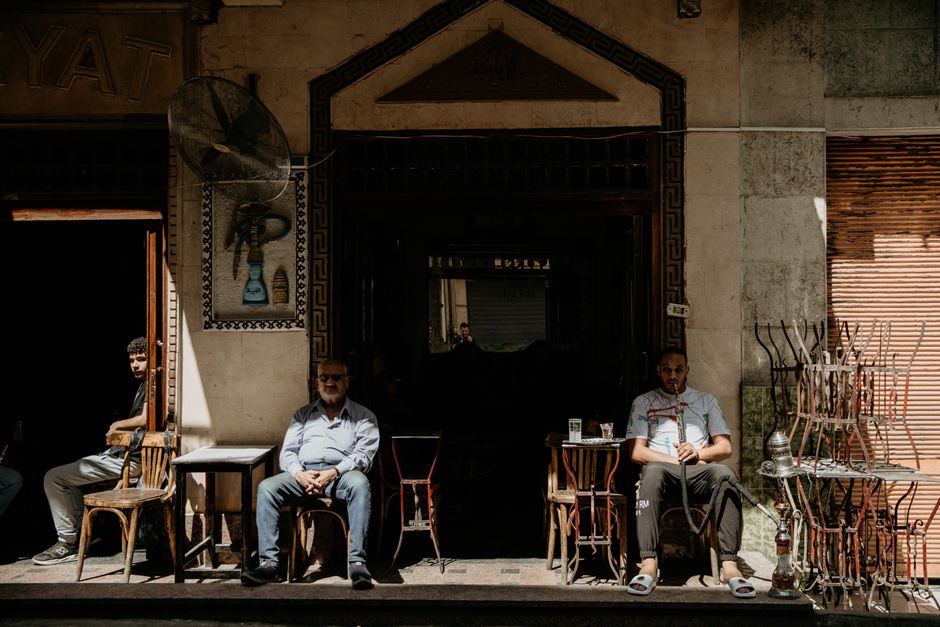
Walk down 26th of July Street in Zamalek on a Tuesday morning, and you'll find Ahmed's coffee cart in precisely the same spot it's occupied for eighteen years. He doesn't just sell espresso and mint tea to the flood of office workers heading toward Garden City; he's the neighbourhood's unofficial welcome committee, remembering regulars' orders and their life stories with equal precision. "This street has changed completely," Ahmed says of the gentrification creeping through the island district, "but people still need a moment of calm before the day begins."
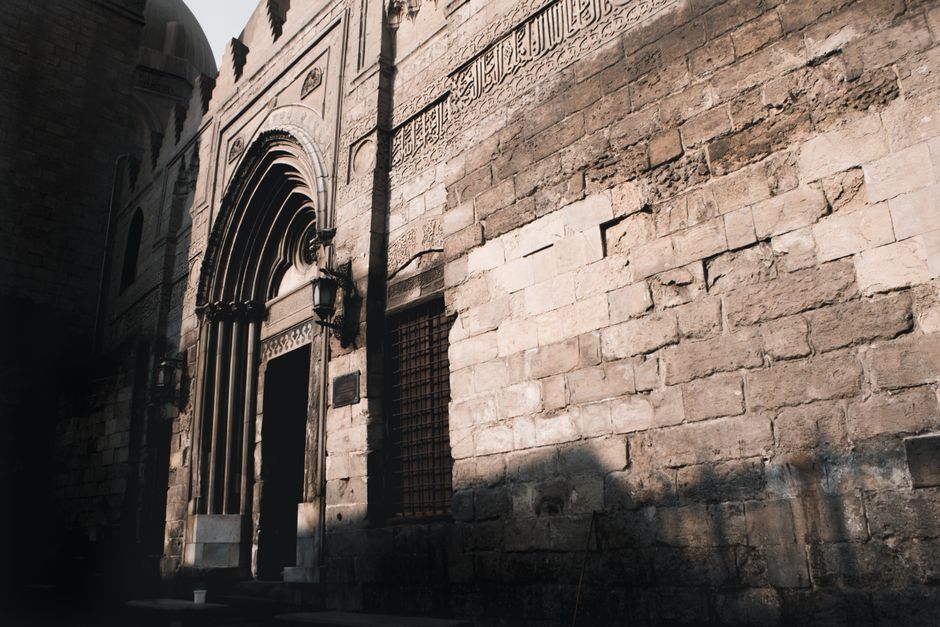
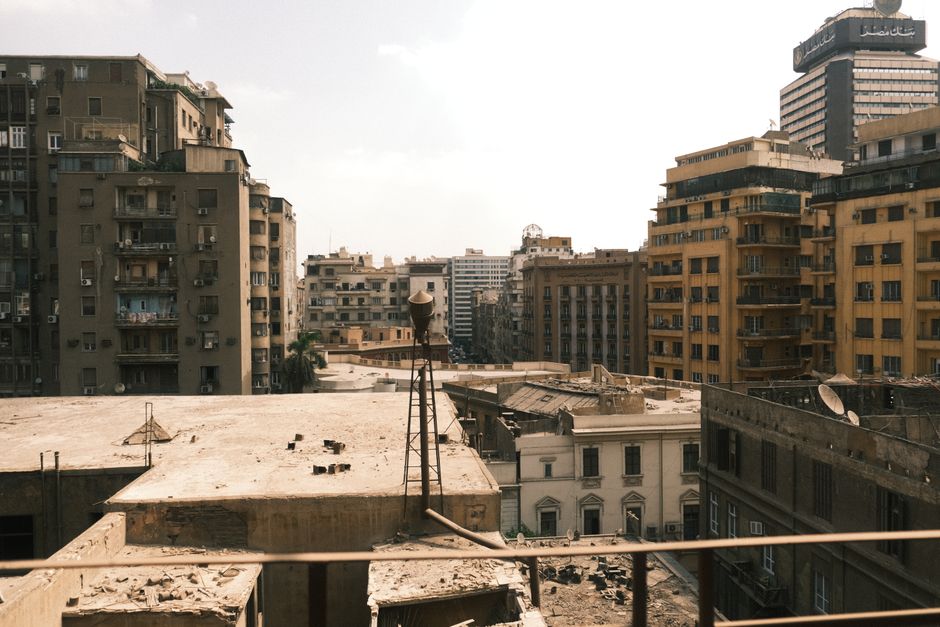
That commitment to community continuity defines neighbourhoods across Cairo in 2026. In Downtown's crumbling belle-époque quarters, where rent averages 2,500 EGP monthly for modest apartments, young heritage advocates have transformed Qasr El Nile Street into an unlikely cultural corridor. Small galleries now occupy ground floors of century-old buildings, while informal conservation networks document deteriorating facades before they vanish entirely. These aren't wealthy preservationists—they're teachers, architects, and students volunteering weekends to prevent another piece of Cairo's architectural memory from disappearing.
Meanwhile, in Heliopolis's tree-lined avenues, the neighbourhood's identity hinges on figures like Fatima, who's managed the community centre near Urman Palace for twenty-three years. She coordinates literacy programmes for domestic workers, runs free art classes for neighbourhood children, and mediates between long-time residents and newcomers. The centre serves roughly 400 people weekly—an invisible infrastructure of social cohesion that statistics rarely capture.
Maadi tells another story entirely. Here, along the Corniche, a network of environmental volunteers organises monthly Nile clean-ups and monitors water quality alongside official authorities. Their work isn't glamorous, but it reflects a growing demographic: young professionals aged 25-40 who've chosen stability in established neighbourhoods over the frenzy of New Cairo compounds.
What unites these communities isn't wealth or infrastructure—it's people who've chosen to invest in relationships rather than just real estate. They're the shopkeepers remembering names, the volunteers fixing what's broken, the storytellers keeping neighbourhood memory alive while the city transforms around them. Cairo's greatness has always rested not on its grandeur but on these daily human transactions, these small acts of belonging that make a sprawling megacity of nearly 21 million feel, for a moment, like home.
This article was compiled by AI and screened before publishing. See our editorial standards.
How does this story make you feel?
Spread the word
About this article
Published by The Daily Cairo
Daily brief
Free, in your inbox before 7am. Weekdays.
More in lifestyle