The Faces Behind Cairo's Neighbourhoods: How Community ...
From street vendors to social entrepreneurs, we explore the ordinary people making Cairo's most vibrant districts feel like home.
From street vendors to social entrepreneurs, we explore the ordinary people making Cairo's most vibrant districts feel like home.
Walk down a Cairo street and you'll notice it's not the monuments that make a neighbourhood tick—it's the people. In Zamalek, where tree-lined avenues meet century-old villas, the district thrives on a delicate ecosystem of long-standing residents, young families drawn by cultural institutions like the Zamalek Cultural Centre, and the shopkeepers who've anchored the same corners for decades. These are the unofficial mayors of their blocks, the ones who know every resident's story and every seasonal shift in community needs.
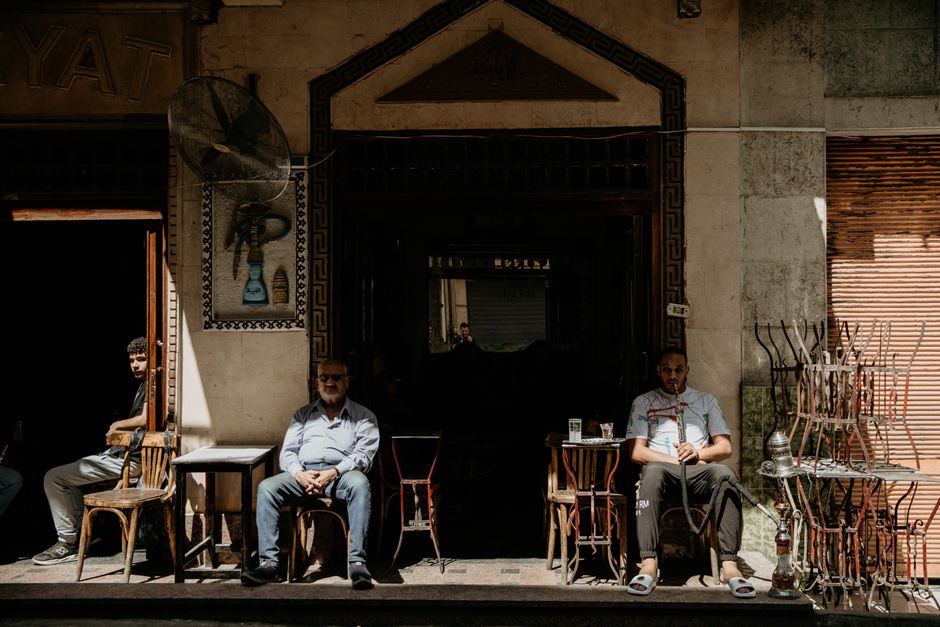
In Garden City, meanwhile, a different demographic has reshaped the social fabric. Young professionals working in tech startups and international organisations have clustered around the tree-canopied streets near the American University in Cairo campus, creating a hybrid community where traditional Egyptian hospitality meets global ambition. Local cafés have adapted their menus accordingly—expect espresso alongside Turkish coffee, often from the same counter.
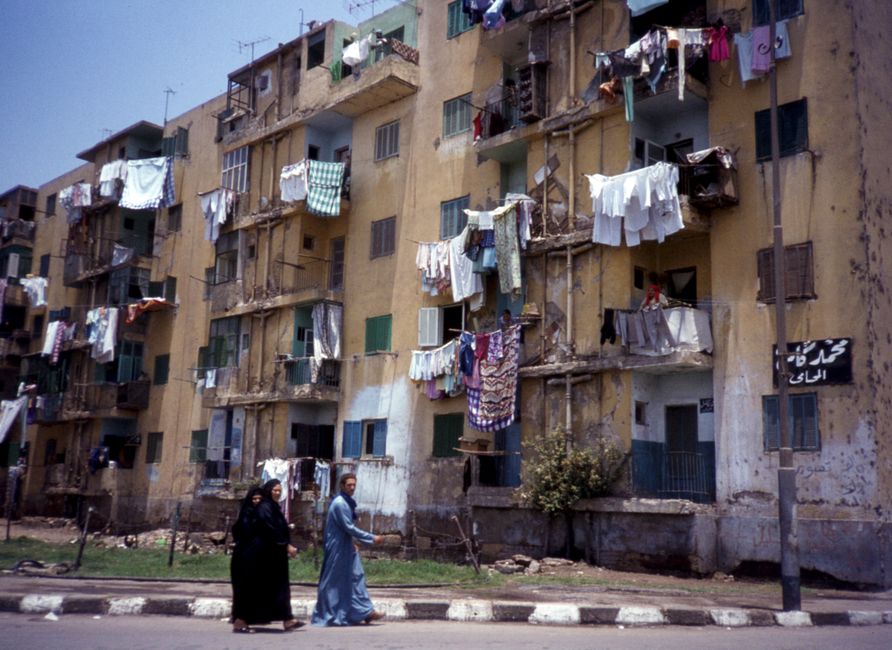
But the real heartbeat of Cairo's neighbourhoods pulses through its working communities. In Bulaq, artisans and metalworkers continue craft traditions passed through generations, while microentrepreneurs have launched cooperative ventures addressing everything from waste management to women's economic empowerment. According to recent municipal data, over 40% of Cairo's informal economy operates through family-based networks spanning multiple neighbourhoods, creating invisible social infrastructure most visitors never see.
The people stories matter because they reveal how Cairo actually functions. In Heliopolis, retired educators and long-term residents act as cultural custodians, preserving Art Deco architectural heritage through informal preservation efforts. Meanwhile, in rapidly evolving districts like New Cairo, community organisers have built neighbourhood associations addressing everything from traffic concerns to coordinating neighbourhood watches—practical solutions emerging from residents rather than top-down planning.
What's striking is how these communities maintain identity despite Cairo's explosive growth. The fruit vendor on Qasr Al-Nile who's sold from the same spot for 25 years knows his customers' dietary preferences. The pharmacist in Maadi who speaks four languages has become a trusted local fixture. The women's handicraft cooperative near the Citadel has transformed economic opportunity into cultural pride.
These aren't Instagram-friendly stories necessarily. They're deeper: about resilience, entrepreneurship, intergenerational knowledge, and the quiet infrastructure of trust that makes a city liveable. Cairo's neighbourhoods aren't shaped by their architecture alone—they're shaped by the faces that show up consistently, the relationships that span years, and the small acts of community building that happen daily, largely unnoticed.
That's the real Cairo story.
This article was compiled by AI and screened before publishing. See our editorial standards.
How does this story make you feel?
Spread the word
About this article
Published by The Daily Cairo
Daily brief
Free, in your inbox before 7am. Weekdays.
More in lifestyle