From Gridlock to Green Lines: How Cairo's Commute is Being Reimagined
The expansion of the metro system and rise of ride-sharing apps are fundamentally reshaping how millions navigate the city's most congested neighbourhoods.
The expansion of the metro system and rise of ride-sharing apps are fundamentally reshaping how millions navigate the city's most congested neighbourhoods.
Five years ago, the morning commute from Helwan to Downtown Cairo meant resigned acceptance of two-hour journeys clogged with minibuses, private cars, and the ever-present gridlock that defines life in Egypt's sprawling capital. Today, that same route takes 45 minutes via the expanded metro line—a transformation that ripples across the city's transport ecosystem in ways both obvious and subtle.
The completion of Phase Three of the Cairo Metro in 2024 fundamentally altered commuting patterns in neighbourhoods from Nasr City to the Giza plateau. The new extension, which added 27 kilometres of track, now serves areas that were previously dependent entirely on surface transport. Daily ridership on the network has jumped to 4.2 million passengers, up from 2.8 million just three years earlier, particularly among young professionals abandoning car commutes.
In Garden City and Zamalek, where navigating the Nile-side streets once meant battling both traffic and scarcity of parking, younger residents now favour the metro's efficiency over car ownership's mounting costs. A monthly metro card costs just 150 Egyptian pounds—roughly equivalent to two days of fuel consumption for a car—making the mathematics of urban mobility increasingly straightforward.
Yet the evolution extends beyond traditional transit. The proliferation of ride-sharing platforms has created an unexpected middle ground. Apps that coordinate shared minibuses along predictable routes have emerged as a genuinely local innovation, filling gaps the metro doesn't yet cover. Routes connecting Maadi to New Cairo, or Heliopolis to 6th of October City, now operate with scheduling that would have seemed miraculous a decade ago.
Ahmed El-Sawy, the transport infrastructure consultant who advises municipal authorities, notes that investment in bus rapid transit corridors along Ring Road and the Corniche has created reliable alternatives to private vehicles for tens of thousands of daily commuters.
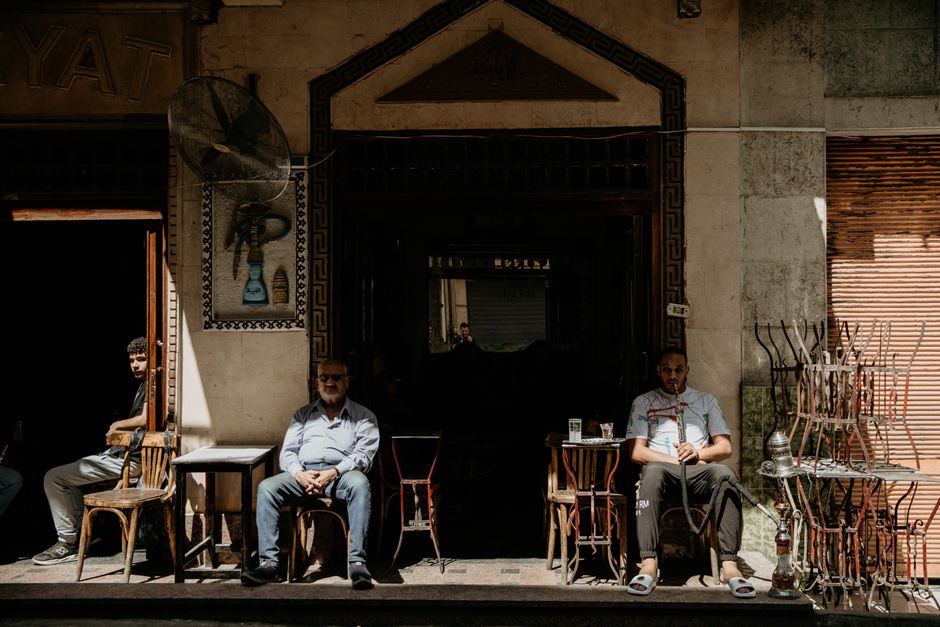
The shift isn't merely logistical—it's cultural. Traffic congestion, once a defining feature of Cairo conversation, increasingly feels like a solvable problem rather than an inescapable condition. Neighbourhoods previously defined by car dependency are reimagining themselves around transit hubs. Street vendors, pharmacies, and cafés now cluster near metro stations rather than highway exits.
Still, challenges persist. The metro's working-class affordability masks capacity constraints during peak hours, and vast peripheral areas remain underserved. But for commuters navigating Cairo's central spine—from Helwan through Downtown to the northern suburbs—the transformation feels genuine. The city's notorious gridlock hasn't disappeared, but it's finally meeting its match.
This article was compiled by AI and screened before publishing. See our editorial standards.
How does this story make you feel?
Spread the word
About this article
Published by The Daily Cairo
Daily brief
Free, in your inbox before 7am. Weekdays.
More in lifestyle