The Cairo Commute Survival Guide: What Locals Actually Do to Navigate the City
From microbus routes to metro timing tricks, we asked everyday Cairenes how they really get around—and their answers might surprise you.
From microbus routes to metro timing tricks, we asked everyday Cairenes how they really get around—and their answers might surprise you.
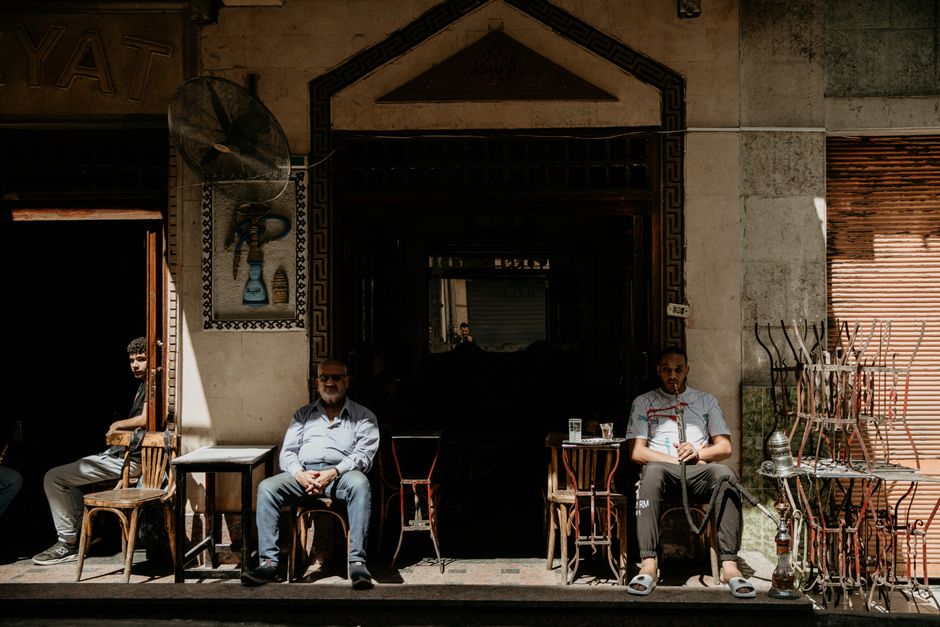
Getting anywhere in Cairo requires strategy, patience, and a willingness to embrace controlled chaos. We spent weeks talking to residents across Zamalek, Heliopolis, Maadi, and Downtown Cairo about their genuine commuting tactics—and the picture that emerges is far more nuanced than guidebooks suggest.
The metro remains the backbone of daily movement. The Line 1 and Line 2 network carries roughly 4 million passengers daily, and locals agree: early morning or late evening journeys are essential if you value personal space. Commuters heading to offices near Tahrir or Ramses station recommend boarding around 7:15 AM or after 9:30 AM to avoid peak crush hours. Women-only cars (typically the first two on each train) offer a quieter alternative on crowded routes, with many female professionals building their commute around these carriages.
For cross-city movement, microbuses remain the unsung heroes. Yes, they're informal and require local knowledge, but residents living in Nasr City consistently praise the minibus routes along Autostrad as faster and cheaper than taxis for regular commutes. Expect 2–3 Egyptian pounds for most journeys. The key: board at established stops rather than flagging randomly—ask locals at your neighbourhood's main intersection for precise pickup points.
Ride-sharing apps have fundamentally changed commuting behaviour since their expansion across Cairo. Uber and Uber Eats drivers note that morning traffic on the Ring Road peaks between 7:30–8:30 AM, while alternative routes through Maadi or along the Nile Corniche can save 15–20 minutes if you're flexible on timing. Cost averages 30–50 pounds for a 5km journey, though surge pricing during weather events or public holidays can spike this dramatically.
Cycling remains underutilised despite Cairo's relatively flat terrain in many neighbourhoods. Parks like Al-Azhar and sections near the American University campus have modest cycling infrastructure, and younger professionals increasingly commute by bike on quieter roads like those near Gezira. Safety concerns remain legitimate, however, and helmet adoption is still rare.
Perhaps the most honest local advice: build flexibility into your commute timeline. Cairo's traffic patterns shift daily based on weather, events at Tahrir Square, or unexpected infrastructure work. Residents who save time don't fight the system—they work with it, leaving 15 minutes earlier on Mondays, using alternative routes on Fridays, or occasionally working from home on days when congestion seems insurmountable. The Cairo commute isn't about finding the perfect route; it's about accepting that every journey is experimental.
This article was compiled by AI and screened before publishing. See our editorial standards.
How does this story make you feel?
Spread the word
About this article
Published by The Daily Cairo
Daily brief
Free, in your inbox before 7am. Weekdays.
More in lifestyle