From Zamalek to Helwan: How Cairo's Commute Routes Shape Neighbourhood Soul
The Metro lines, minibuses and taxis that connect our city tell the real story of who we are—one journey at a time.
The Metro lines, minibuses and taxis that connect our city tell the real story of who we are—one journey at a time.
Ask any Cairene about their morning commute and you're not just hearing about transport logistics. You're getting an intimate portrait of their neighbourhood's character, their social circle, and often, their entire life philosophy.
Take the iconic Route 9 minibus that runs from Downtown Cairo through Zamalek to Mohandessin. For decades, this congested artery has been the circulatory system of middle-class Cairo life. The minibus, with its garish upholstery and devotional stickers on the windscreen, becomes a floating community. Regular passengers develop friendships that outlast many formal relationships. Drivers know their customers' stops by heart, their work schedules, even their family situations. It's not uncommon for a commuter to catch a driver asking after a passenger's exam results or new job prospects—information gleaned from months of five-minute conversations during the 45-minute crawl through Gezira Street.
The character shifts dramatically when you move south. The Metro Line 1 journey from Helwan to Heliopolis—a full 44 kilometres—reveals Cairo's economic geography compressed into a single corridor. Morning passengers from the industrial suburbs shift around 9 a.m., replaced by university students and office workers heading toward Garden City and the Central Business District. Each station becomes a temporal landmark: Ain Shams district has a particular energy during exam season, while the Sayyida Zeinab platforms carry a distinctly older demographic, many heading to the neighbourhood's historic mosque and markets.
West Bank neighbourhoods like Giza present their own transport personality. Here, the yellow and white taxis reign supreme—a different beast entirely from Metro commuting. Drivers are neighbourhood fixtures, often family-run operations spanning generations. The relationship between driver and commuter is simultaneously more transactional and more intimate. A regular knows which driver will make an unscheduled stop for a pharmacy run, which ones will wait if you're five minutes late, which ones to avoid on days when political tensions run high.
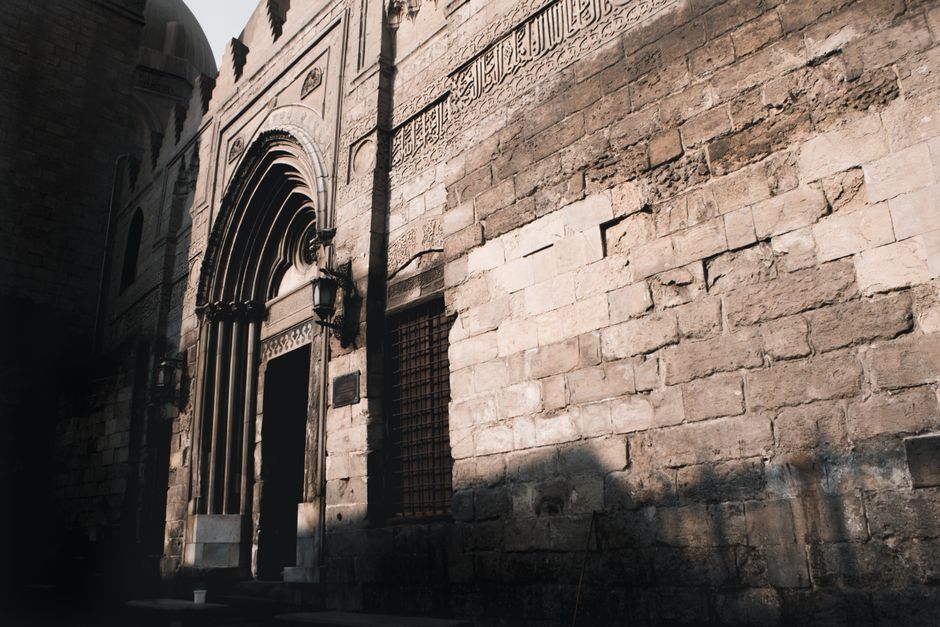
Perhaps most revealing is how neighbourhoods invest in their transport infrastructure. Maadi residents have advocated for improved bus services connecting to the Ain Sokhna highway, reflecting the area's aspirational, forward-thinking identity. Meanwhile, traditional quarters like Islamic Cairo maintain their labyrinthine alleyways deliberately—car-free zones that preserve centuries-old social rhythms where neighbours still greet each other by name.
Your commute route doesn't just connect you to work. It connects you to Cairo's true identity: a sprawling, impossible, utterly human metropolis where thousands of small daily rituals create the fabric of community.
This article was compiled by AI and screened before publishing. See our editorial standards.
How does this story make you feel?
Spread the word
About this article
Published by The Daily Cairo
Daily brief
Free, in your inbox before 7am. Weekdays.
More in lifestyle