Cairo's School Revolution: Why Parents Are Finally ...
A surge of new hybrid learning models and family-friendly public spaces has transformed how Cairene families approach education—and they couldn't be happier about it.
A surge of new hybrid learning models and family-friendly public spaces has transformed how Cairene families approach education—and they couldn't be happier about it.
Walking through Zamalek on a Wednesday afternoon, you'll spot something that felt impossible just two years ago: parents lingering outside school gates without the familiar stress etched into their faces. The shift in Cairo's education landscape has been quietly seismic, and families across the city are noticing.
The catalyst? A combination of expanded hybrid schooling options and newly renovated public learning spaces. The British International School's satellite campus in New Cairo now operates a four-day week with one day reserved for home-based project work—a model that's been copied by at least a dozen other institutions across Heliopolis, Maadi, and Garden City. For working parents juggling Cairo's notorious traffic, this flexibility has been transformative.
"We've cut commute time by nearly 40 percent," says one mother who requested anonymity, reflecting a sentiment heard repeatedly among professionals in Dokki and Mohandessin. The financial relief is tangible too. Tuition at established hybrid programs averages 85,000 EGP annually—roughly 20 percent lower than traditional five-day boarding models that dominated the market three years ago.
But it's not just about logistics. Cairo's public spaces dedicated to family learning have undergone a remarkable renaissance. The renovated Gezira Cultural Palace now hosts free Wednesday afternoon workshops covering everything from Arabic heritage studies to STEM fundamentals. The American University in Cairo's community outreach program has expanded its Saturday morning tutoring sessions across five neighbourhood hubs, reaching families who couldn't afford private tuition.
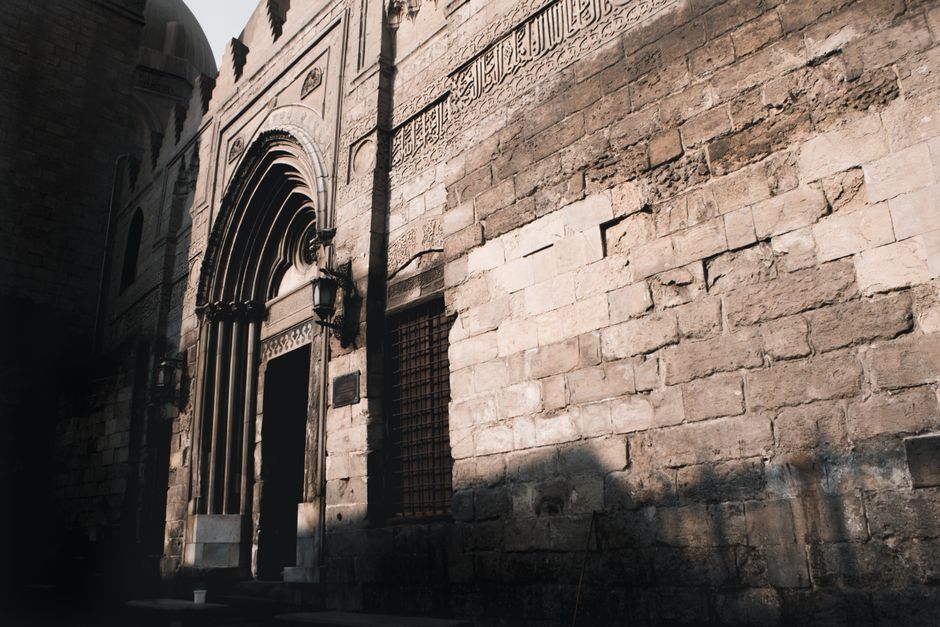
Schools themselves have embraced a more holistic approach. The Cairo International Academy recently introduced a mandatory "neighbourhood learning" curriculum, where students spend biweekly sessions exploring their local communities—from heritage walks in Islamic Cairo to water management projects along the Nile. It's citizenship education meets authentic engagement.
Perhaps most significantly, Cairo's parent networks have evolved beyond WhatsApp groups into structured communities. The Heliopolis Education Forum and similar grassroots organisations now coordinate everything from peer tutoring exchanges to collective school transport arrangements, reducing individual family burdens.
Challenges remain. Quality remains inconsistent across neighbourhood schools, and families in outer districts still struggle with access. Yet the momentum is undeniable. For the first time in a generation, Cairo's parents feel like the system is working *with* them rather than against them—a shift that's rippling through family life across the city.
This article was compiled by AI and screened before publishing. See our editorial standards.
How does this story make you feel?
Spread the word
About this article
Published by The Daily Cairo
Daily brief
Free, in your inbox before 7am. Weekdays.
More in lifestyle