Cairo's markets aren't just about what you buy—they're about who sells it to you. Walk through Khan el-Khalili on any given morning, and you'll encounter generations of traders whose families have occupied the same storefronts for half a century or more. These aren't faceless retailers; they're custodians of a particular Cairo that feels increasingly precious in a rapidly changing city.
Take the textile district along Muizz Street, where vendors like those running family operations since the 1970s navigate the tension between preserving tradition and adapting to modern commerce. Many now maintain Instagram accounts alongside their physical stalls, pricing goods at anywhere from 50 to 300 Egyptian pounds depending on quality and origin. Yet ask any of them about their business, and you'll hear stories: about apprenticeships that began in childhood, about customers who've returned for decades, about the challenge of competing with fast-fashion chains while maintaining craftsmanship standards.
The neighbourhood markets tell equally compelling stories. In Garden City and Zamalek, small retailers—florists, greengrocers, bookshop owners—have become anchors for their communities, often knowing their regular customers by name and preference. These independent shopkeepers represent a different Cairo rhythm, one that values relationship-building over transaction speed. A grocer on a quiet Garden City lane might spend fifteen minutes discussing quality with a customer, or a bookshop owner in nearby areas curates selections based on their understanding of the neighbourhood's intellectual interests.
Beyond the traditional markets, newer retail spaces in Downtown Cairo and around Tahrir have attracted a different breed of vendor: young entrepreneurs running pop-up shops, vintage clothing collectives, and artisanal food stalls. Many are Egyptians returning from abroad or first-generation business owners reshaping what Cairo retail can be. They're typically aged 25-40, working with margins that require passion as much as profit calculation, often pricing handmade goods between 100-500 pounds.
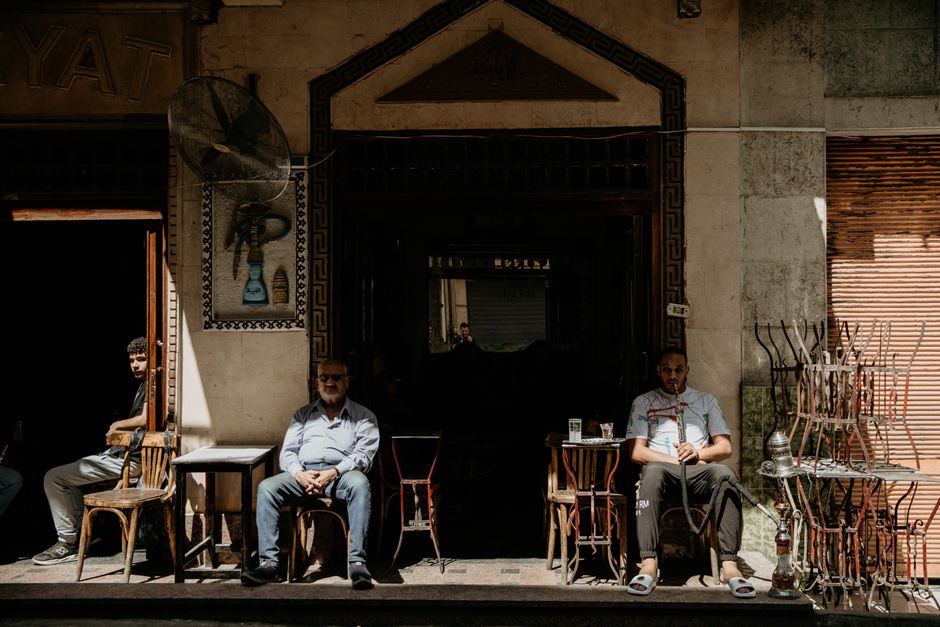
What unites these varied retail landscapes is the human element that statistics can't capture. These are people who've watched Cairo transform, who've navigated economic shifts, who've chosen to remain invested in face-to-face commerce despite digital alternatives. They remember customers' names, adjust offerings based on community feedback, and view their shops as extensions of their identity rather than mere income sources.
In a city of over 20 million people, these market figures and independent retailers create pockets of genuine human connection—places where shopping becomes an exchange that acknowledges both parties as individuals rather than roles in a transaction.
This article was compiled by AI and screened before publishing. See our editorial standards.