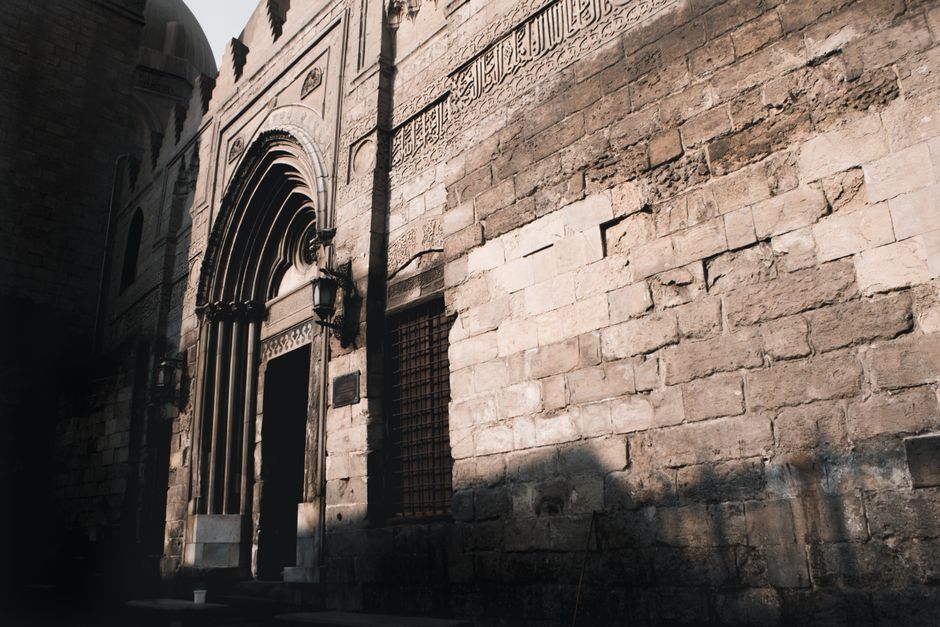
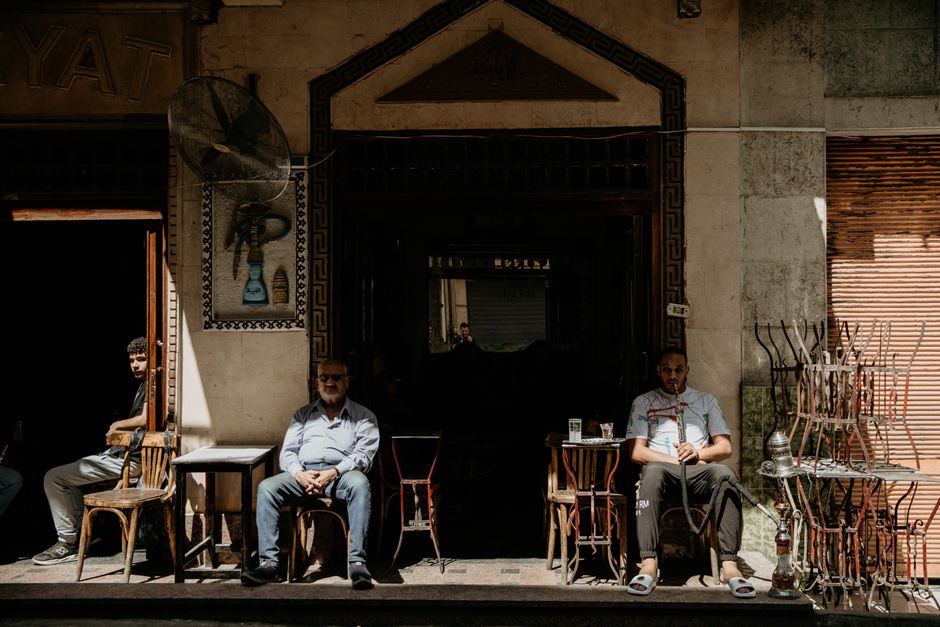
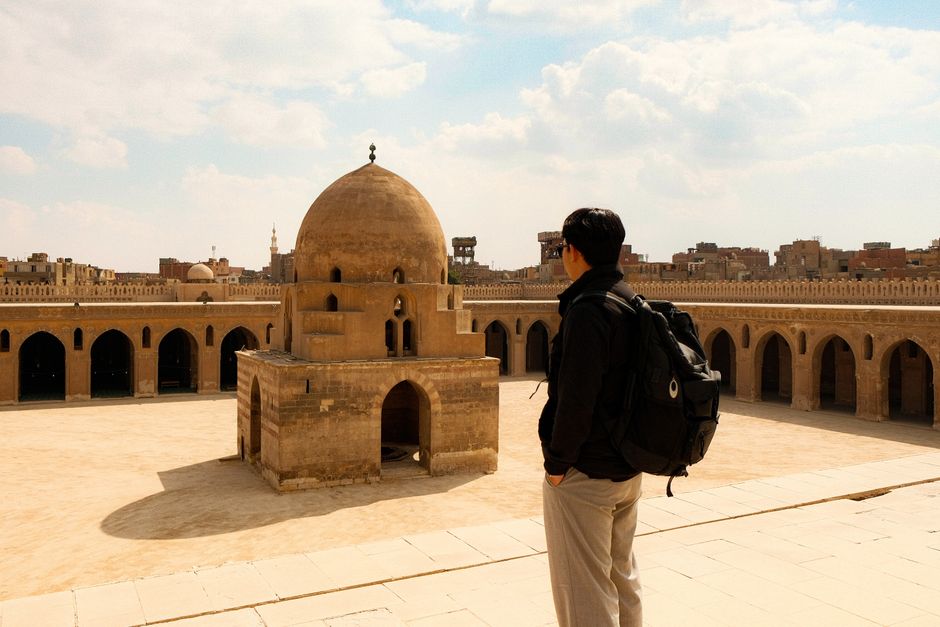
Walk down Kasr El Aini Street on a Saturday morning, and you'll notice something shifting in Garden City. The neighbourhood that has anchored Cairo's elite for over a century is experiencing a quiet but unmistakable transformation—one that challenges its reputation as a gilded museum of the past.
The transformation is visible in the details. While the iconic villas and winding tree-lined streets remain, new independent cafés and design studios have begun replacing shuttered colonial-era shops. A recent survey by the Cairo Urban Development Association found that 34% of commercial spaces in Garden City's core were vacant five years ago; that figure has dropped to just 18% as young entrepreneurs and established brands recognise the neighbourhood's potential beyond real estate speculation.
"We're seeing a different clientele now," explains the manager of a recently opened bookshop-café near Mohamed Mahmoud Street. "It's not just residents—it's people from across Cairo who want something different from the shopping mall experience."
The neighbourhood's evolution extends beyond retail. Garden City's residential landscape is fragmenting in meaningful ways. While luxury apartments in restored heritage buildings command upwards of 4.5 million Egyptian pounds annually, cooperative housing initiatives and shared workspace arrangements are creating pockets of affordability that would have been unthinkable here a decade ago. Young professionals, artists, and international workers are settling alongside multigenerational families in ways that complicate the neighbourhood's traditionally homogeneous character.
Community organisations are adapting too. The Garden City Community Centre, historically a social club for residents, has expanded programming to include digital literacy workshops and environmental initiatives that reflect broader Cairo concerns. Meanwhile, heritage preservation groups are increasingly vocal about balancing modernisation with architectural integrity—a tension that came to a head last year when plans to develop several properties near Tal'at Harb Street sparked considerable neighbourhood debate.
Infrastructure improvements tell another story. The planned expansion of metro connectivity to nearby Boulaq and improved cycling lanes along the Nile corniche are reshaping how residents and visitors navigate the area. Average commute times for Garden City workers heading to New Administrative Capital have dropped by roughly 35 minutes since the new highway network became functional.
What's emerging is neither preservation nor replacement, but negotiation. Garden City remains expensive, exclusive, and architecturally distinctive. But it's no longer hermetically sealed. The neighbourhood is becoming porous—opening itself to new voices, businesses, and possibilities while remaining rooted in what made it distinctive. For a city grappling with rapid change, Garden City's evolution offers a quieter lesson in how established spaces can adapt without losing their character.
This article was compiled by AI and screened before publishing. See our editorial standards.