The Faces Behind Cairo's Magic: Meet the Expats Who've Made This City Home
From Zamalek coffee shops to Heliopolis classrooms, newcomers discover that Cairo's true charm lies in the people who've chosen to stay.
From Zamalek coffee shops to Heliopolis classrooms, newcomers discover that Cairo's true charm lies in the people who've chosen to stay.
Cairo welcomed roughly 2.4 million expatriates last year, according to Egypt's Central Agency for Public Mobilisation and Statistics. But statistics don't capture what really happens when someone arrives at Cairo International Airport with three suitcases and a one-year contract. They discover the city through its people—the teachers, entrepreneurs, healthcare workers, and creatives who've transformed temporary moves into permanent roots.
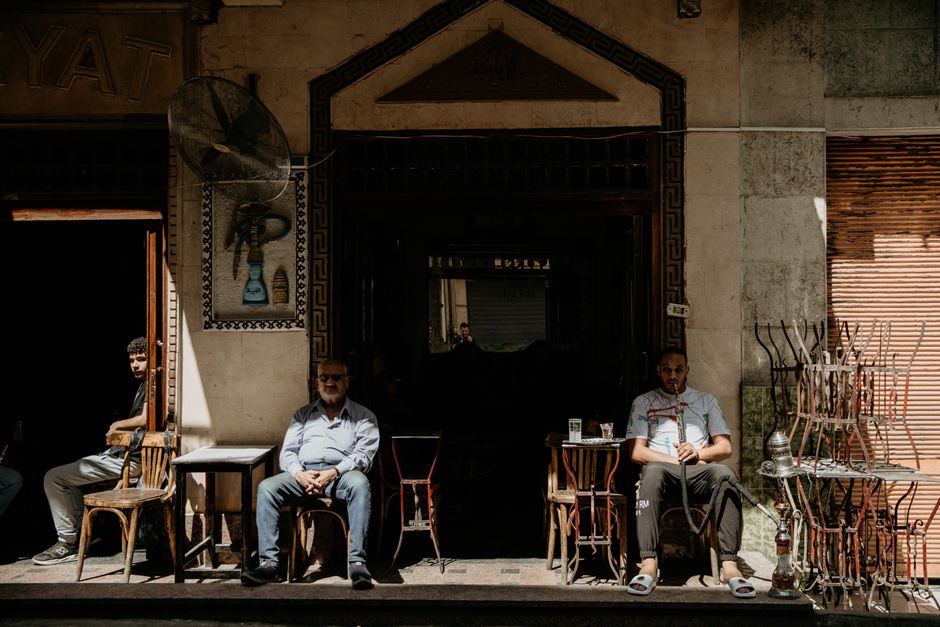
Ask any newcomer about their first week, and they'll likely mention a crucial human connection. Perhaps it was the security guard at their apartment building in Maadi who noticed they were struggling with the water pressure and appeared with a plumber before they'd even learned his name. Or the barista at one of the proliferating third-wave coffee shops along 26th of July Street in Zamalek who started remembering their order by day three. These small moments accumulate into belonging.
The expat community here has matured considerably. Rather than clustering exclusively in the historical expatriate enclaves of Heliopolis or Garden City, newcomers now settle across diverse neighbourhoods—Dokki, Masr al-Gedida, even emerging areas like New Cairo's compounds. This dispersion has created a richer cultural fabric. International schools along the Ring Road employ educators from 40+ countries. Medical clinics in upscale areas like Sheikh Zayed City boast multilingual staff who understand both Egyptian and Western healthcare expectations. The average expat salary in professional sectors ranges from $1,500 to $5,000 monthly, depending on industry and seniority.
What transforms visitors into residents is often institutional support paired with genuine local warmth. Organisations like the American Chamber of Commerce and British Community Association facilitate networking, yes—but the real integration happens in neighbourhood futbols matches, shared minibus rides, and conversations with long-term residents who've navigated visa renewals and tax complications and can advise on everything from reliable plumbers to the best fresh juice vendor on Sharia Talaat Harb.
The cost of living—roughly 40-60% lower than comparable Middle Eastern hubs—certainly helps people stay. But economics alone don't explain why teachers extend contracts, why tech workers turn remote positions into local employment, or why families stop viewing Cairo as a stepping stone and start calling it home.
Newcomers arrive expecting bureaucracy and congestion. They leave—or stay—having discovered something more valuable: a city where human connection still trumps convenience, where a neighbour's recommendation matters more than an algorithm, and where the faces you meet on your second week often become the friends who welcome you into your third year.
This article was compiled by AI and screened before publishing. See our editorial standards.
How does this story make you feel?
Spread the word
About this article
Published by The Daily Cairo
Daily brief
Free, in your inbox before 7am. Weekdays.
More in lifestyle