The Faces Behind Cairo's Markets: Where Every Vendor Has ...
From Khan el-Khalili's labyrinthine alleys to Zamalek's boutique corners, the real magic of Cairo's retail landscape lies in the people who've built their lives one transaction at a time.
From Khan el-Khalili's labyrinthine alleys to Zamalek's boutique corners, the real magic of Cairo's retail landscape lies in the people who've built their lives one transaction at a time.
Walk through Khan el-Khalili on a Tuesday morning, and you'll notice something peculiar: the market isn't just selling goods. It's selling continuity. Amid the copper lanterns, silk scarves, and spice pyramids are faces that have been fixtures here for decades, some for generations. These aren't faceless shopkeepers—they're custodians of Cairo's commercial soul.
Consider the textile merchants clustered near Bab el-Balaq. Many arrived in Cairo from Upper Egyptian towns in the 1970s and '80s, establishing family operations that now employ their children and grandchildren. A typical bolt of handwoven cotton from these stalls costs 180-250 Egyptian pounds, far cheaper than the mass-produced imports flooding shopping malls. But the price tells only part of the story. The real transaction happens in the negotiation itself—a ritual that rewards regulars with discounts, chai, and genuine conversation.
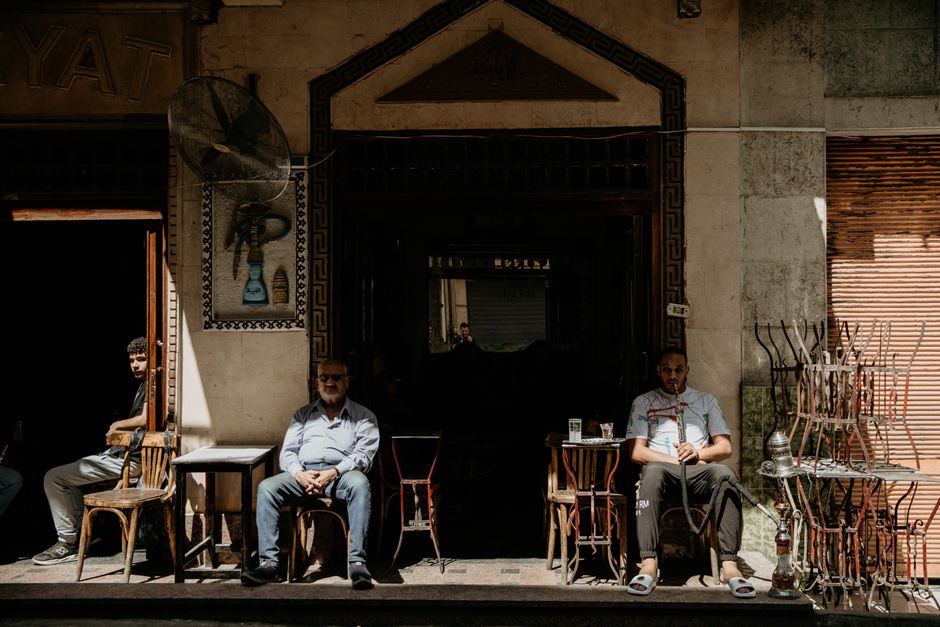
Beyond the tourist circuits, neighbourhoods like Heliopolis and Garden City host a quieter retail ecosystem. The spice merchants near Korba Metro, the vintage furniture restorers tucked into Zamalek's side streets, the pharmacists in Dokki who've been advising families on remedies for forty years—these are the faces that constitute Cairo's authentic shopping experience. A recent informal survey by local retail observers noted that nearly 65% of Cairo's non-mall purchases still happen through personal relationships and word-of-mouth recommendations, a figure that has remained relatively stable despite digital disruption.
The shift towards e-commerce and mega-malls hasn't erased these stories; it's simply made them more precious. Young entrepreneurs now run Instagram accounts from family stalls, blending heritage with modern commerce. A jewellery vendor's daughter in Islamic Cairo, for instance, now photographs her father's intricate gold work for global audiences while maintaining the family's street-level presence.
What makes these markets special isn't the merchandise alone—it's the unwritten social contract between buyer and seller. In a city of over 20 million people, these transactions represent pockets of genuine human connection. The perfume seller in Ataba who remembers your preference. The fabric merchant near Al-Azhar who extends credit to loyal customers. The elderly spice trader who still insists on using traditional weights and measures.
This June, as temperatures soar and Cairo's pace quickens, the markets remain refuges of familiarity. They're spaces where commerce serves humanity, not the reverse. That distinction—increasingly rare in contemporary retail—is precisely what makes Cairo's traditional shopping districts irreplaceable.
This article was compiled by AI and screened before publishing. See our editorial standards.
How does this story make you feel?
Spread the word
About this article
Published by The Daily Cairo
Daily brief
Free, in your inbox before 7am. Weekdays.
More in lifestyle