Walk into any major bar district in Barcelona, Bangkok, or Brooklyn, and you'll recognize the formula: craft cocktails, curated playlists, Instagram-worthy aesthetics. Cairo's nightlife scene respects these conventions while fundamentally rejecting them, creating something that belongs entirely to this sprawling metropolis of 21 million people.
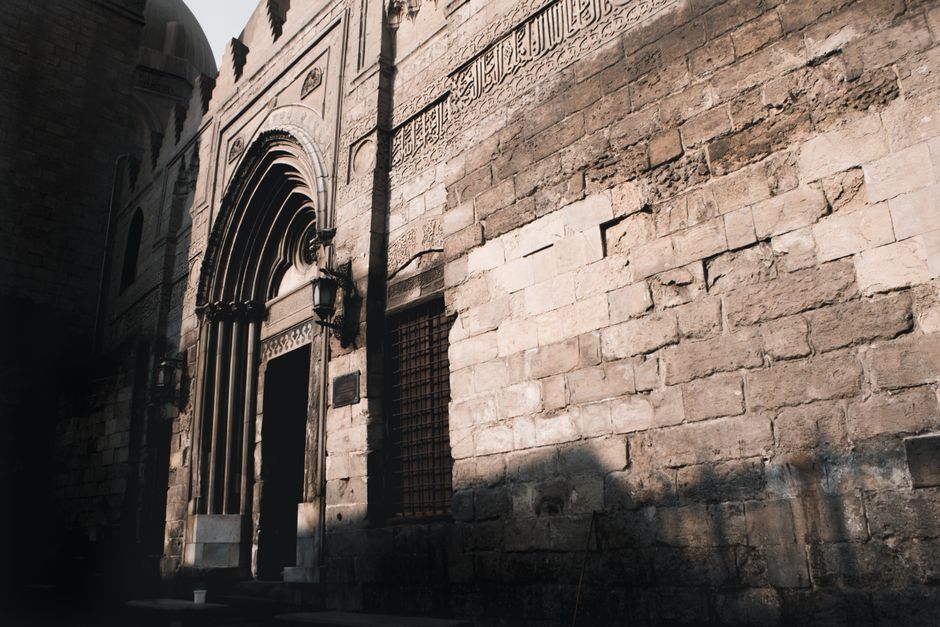
The difference begins with geography and history. While most global cities built their nightlife districts in reclaimed industrial zones or purpose-built entertainment quarters, Cairo's bar scene sprawls across neighbourhoods layered with centuries of urban archaeology. In Downtown Cairo, around Talaat Harb Street, art deco facades from the 1920s house intimate cocktail bars that serve martinis while call to prayer echoes from mosques three blocks away. This particular collision—secular nightlife existing within earshot of religious observance—simply doesn't occur in other world capitals with the same matter-of-fact acceptance.
The Zamalek and Gezira neighbourhoods represent another Cairo peculiarity: riverside lounges that compete with the Nile itself for attention. Venues here charge between 150-300 Egyptian pounds (roughly $5-10) for premium cocktails—substantially lower than comparable drinks in Dubai or Istanbul—yet maintain international standards. The physical setting is incomparable: terrace seating with views of felucca sailboats, the Gezira Club's gardens, and bridges illuminated against the night sky.
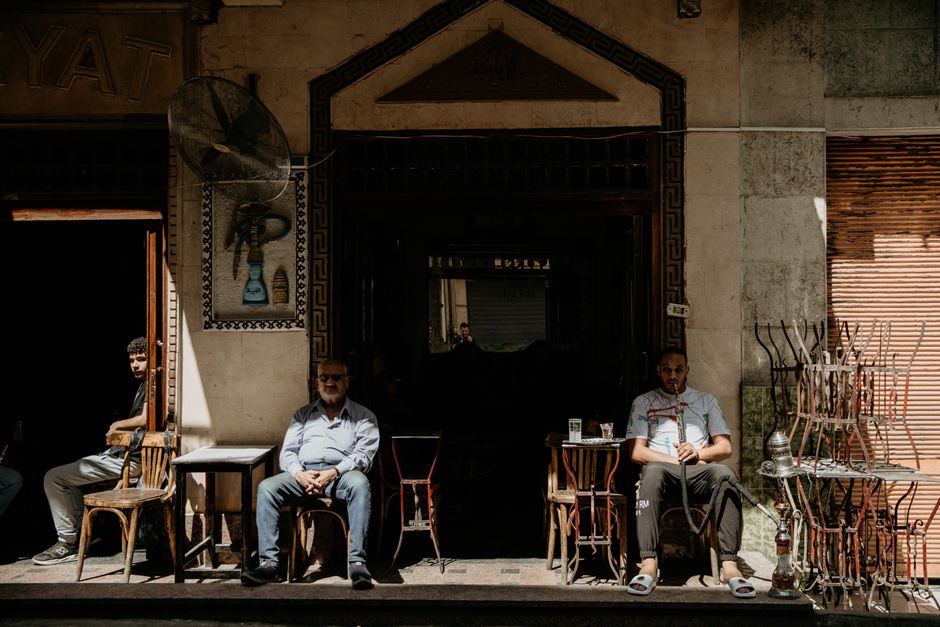
What truly distinguishes Cairo, however, is how its nightlife integrates with the city's broader social fabric. Unlike segmented entertainment districts elsewhere, Cairo's bars exist within mixed-use neighbourhoods where you might drink espresso at a café at midnight, then transition seamlessly to a cocktail bar, then grab koshary at 3 a.m. from a street vendor. This fluidity—where nightlife isn't cordoned into a specific zone but woven through residential and commercial areas—creates organic social experiences that feel impossible to replicate.
Music venues in areas like Heliopolis showcase another distinction: a thriving live music scene that combines Egyptian musical traditions with contemporary global genres. Jazz, electronic, and indie acts share bills with traditional oud performers, creating hybrid audiences and soundscapes you won't find in cities with more compartmentalized entertainment sectors.
The regulatory environment adds another layer. Cairo's bar scene operates within constraints that would seem restrictive elsewhere—limited hours in some areas, particular licensing requirements—yet this has paradoxically fostered creativity. Venues have learned to maximize their operating windows with curated programming rather than relying on constant availability.
Cairo's nightlife ultimately reflects the city itself: layered, unexpected, deeply rooted yet internationally connected, and entirely resistant to being packaged as a tourist experience or replicated elsewhere. That's precisely what makes it irreplaceable.
This article was compiled by AI and screened before publishing. See our editorial standards.