Walk through Maadi or Heliopolis on a weekday afternoon and you'll notice something that felt unimaginable just two years ago: parents lingering at school gates without the usual anxiety. The transformation isn't dramatic, but it's real—and it's reshaping how Cairo's middle-class families think about raising children in the city.
The shift began with infrastructure. New English-language curricula rolled out across public and semi-private institutions in 2024, while several established schools—particularly those clustered around Zamalek and New Cairo—invested in modern science laboratories and digital learning facilities. Tuition at top-tier institutions ranges from 80,000 to 250,000 EGP annually, a significant commitment that parents now feel better justified in making. The Egyptian National Schools network expanded its presence with three new campuses, while international alternatives on the Fifth Settlement corridor reported waiting lists of up to eighteen months.
But infrastructure alone doesn't explain the love affair. The real change is cultural. A new generation of Cairo parents—many juggling remote work, hybrid schedules, and entrepreneurial ventures—demanded flexible, community-focused school environments. In response, institutions began extending after-school programming. Clubs focused on Arabic heritage, environmental sustainability, and digital literacy became standard rather than niche. Several schools in Garden City and Downtown Cairo now offer weekend family workshops, from calligraphy to sustainable cooking.
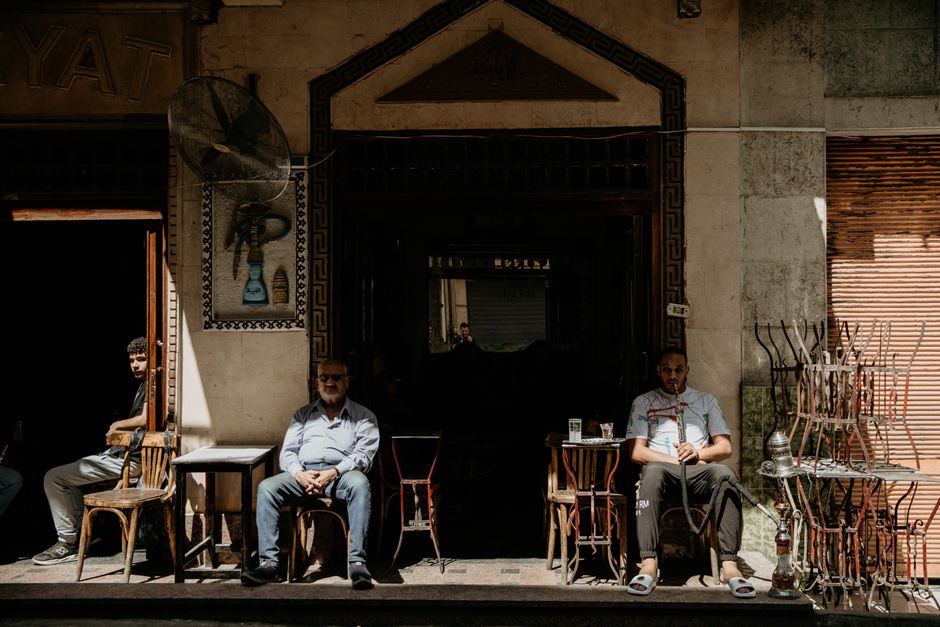
Neighbourhood life has shifted too. Playground renovations in Gezira, Dokki, and Sheikh Zayed have encouraged outdoor family time. Coffee culture now embraces parents: spots like those dotting Agouza's leafy streets have become de facto co-working hubs where mothers and fathers tag-team childcare while maintaining professional lives. The normalization of this visibility—fathers actively parenting without stigma—represents a quiet but significant cultural evolution.
Perhaps most tellingly, property agents report growing demand for family-focused residential areas specifically because of schools and community infrastructure, rather than despite Cairo's notoriously difficult traffic and sprawl. Young families are choosing to stay, to invest, to build roots here rather than flee to the Emirates or Europe.
The challenges remain: Egypt's education system still struggles with standardized testing pressure, classroom sizes, and equity gaps between privileged and working-class families. But for Cairo's aspirational middle class, something fundamental has shifted. The city now feels like a place where childhood can genuinely flourish—not in spite of being Cairo, but because of the specific, messy, creative energy that only Cairo provides.
This article was compiled by AI and screened before publishing. See our editorial standards.